Short answer: Cusco's nightlife splits between the lively bars right on Plaza de Armas, quieter rooftop and speakeasy spots up in San Blas, and Peru's national drink — the pisco sour — served everywhere in between. This guide covers where to actually go, what a proper pisco sour should taste like versus a rushed one, the difference between pisco sour and chicha (a completely different Andean drink), and what things realistically cost so you're not overpaying at the first bar you walk into.
Cusco's Nightlife, Mapped
Almost everything worth knowing about Cusco's after-dark scene sits within a short walk of Plaza de Armas. Right on and around the square, you'll find the highest concentration of bars — from dedicated pisco spots to Irish pubs to reggaeton clubs — catering to a mixed local-and-international crowd. Up the hill in San Blas, the scene shifts: quieter courtyard bars, rooftop terraces, and a more relaxed pace that fits the neighborhood's bohemian reputation.
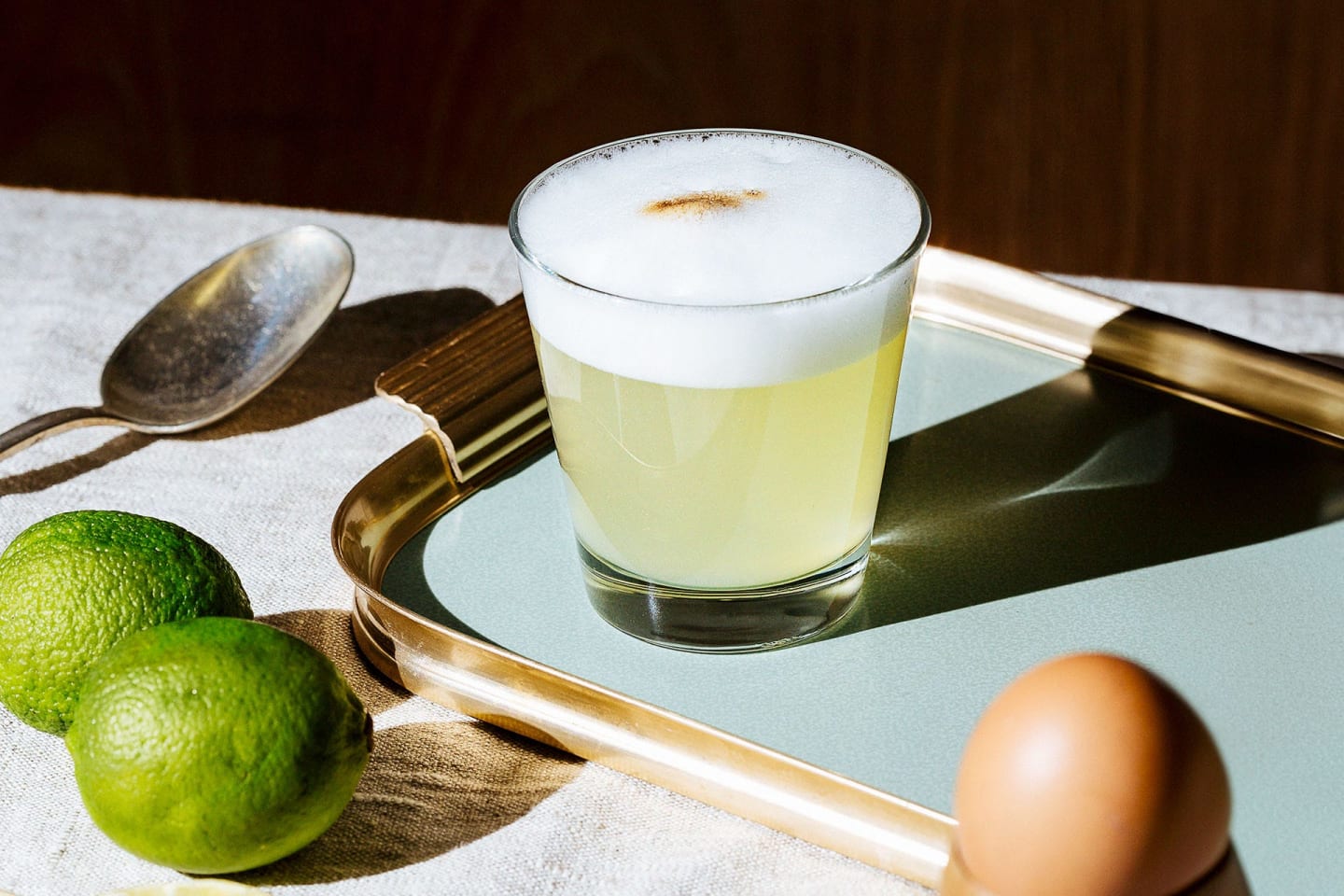
Prices across the board sit comfortably below what you'd pay in a major US or European city, though the real value is in ingredient quality — a well-made pisco sour in Cusco uses fresh lime and real egg white, not a bottled mixer.
Where to Drink the Best Pisco Sour in Cusco
Museo del Pisco, just steps from Plaza de Armas, is the city's most dedicated pisco venue — part bar, part small museum walking you through pisco's history and production, with a menu covering both the classic pisco sour and inventive variations like a passion-fruit sour or a chilcano (pisco with ginger ale). It's the single best stop if you want to actually understand what you're drinking rather than just order a cocktail off a generic bar menu.
For a pisco sour with a view, Limbus Resto Bar in San Blas delivers both — perched on the hillside with a genuine panoramic overlook of Cusco's rooftops and the surrounding mountains, its drink menu ranges from craft beer to elaborate cocktails alongside the expected pisco sour. Newer, more theatrical spots have also entered the scene, including bars built around single signature cocktails — pisco infused with Amazonian camu camu berries, or drinks finished with freeze-dried potato foam and purple corn distillates — for travelers who want the drink itself to be part of the show.
Plaza de Armas: The Main Bar Scene
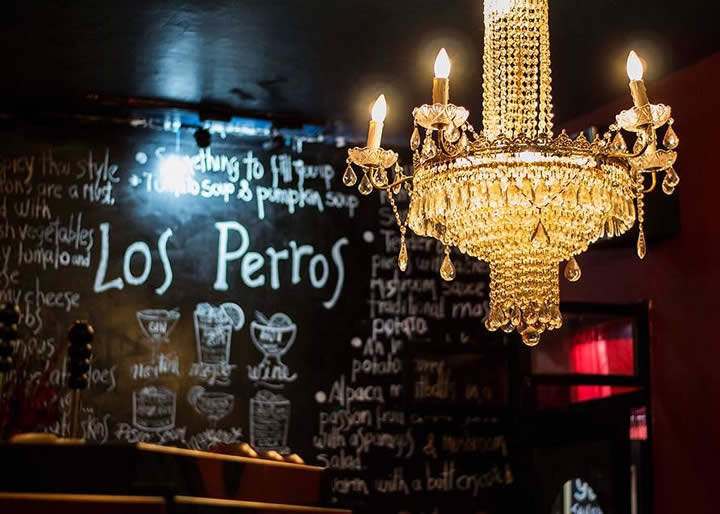
The square itself and the streets just off it hold Cusco's highest concentration of bars, and the crowd here skews international and welcoming to travelers. Paddy's, Cusco's Irish pub, is a reliable, casual option with sports on screen most nights. Norton Pub leans into a solid rock 'n' roll bar atmosphere a short walk away. For something more intimate, The Library — Cusco's first speakeasy, tucked behind Micaela on Portal Comercio — trades the square's noise for a quieter, more deliberate cocktail experience; it's open evenings and closed Mondays.
If you're after a livelier night out, Mama África mixes salsa, reggaeton, and electronic music for a genuinely energetic dance-floor scene, and Chupitería La Chomba is the go-to for shots in every imaginable flavor if you're out with a group rather than looking for a quiet conversation.

San Blas: Rooftops, Courtyards & a Slower Pace
San Blas trades volume for atmosphere. Beyond Limbus's panoramic terrace, the neighborhood's cobblestone lanes hide small courtyard bars where mixologists work chicha morada syrup and other Andean ingredients into their cocktail menus, and the overall pace favors longer conversations over a big night out. If you spent the day at the markets or shopping for alpaca nearby, San Blas is the natural place to wind down afterward rather than heading back down to the busier Plaza scene.
Chicha: Peru's Other Great Corn Drink
Pisco gets most of the attention, but chicha is worth understanding on its own terms. The name actually covers two very different drinks. Chicha de jora is a traditional fermented corn beer, sometimes quite strong, that predates the Spanish conquest and is still made in Andean communities much the way it always has been — worth trying at a genuinely local spot rather than a tourist bar, and worth pacing yourself with given both the altitude and the potency. Chicha morada, by contrast, is a non-alcoholic purple corn drink, sweet and slightly spiced, and a good option if you want something distinctly Peruvian without the alcohol.
Cusco's Drinks Scene at a Glance
| Where / what | Best for | Typical price | Vibe |
|---|---|---|---|
| Museo del Pisco | Understanding pisco properly | ~S/20-30 per cocktail | Educational, lively, central |
| Limbus Resto Bar (San Blas) | A pisco sour with a view | ~S/25-35 | Relaxed, panoramic |
| The Library | A quieter, speakeasy-style night | ~S/25-35 | Intimate, evenings only |
| Mama África / La Chomba | Dancing or a big group night out | ~S/10-20 per drink/shot | Loud, high-energy |
| Chicha de jora (local spot) | A genuinely traditional Andean drink | Low cost, often informal | Local, unpretentious |
Prices are approximate and vary by venue and season — treat this as a planning guide.
Let's help you time it right.
Practical Tips for a Night Out in Cusco
Respect the altitude
At 3,400 meters, alcohol affects you faster and harder than at sea level. Pace yourself, especially on your first night or two before you've acclimatized.
Carry cash for smaller bars
Larger bars and hotel venues take cards, but smaller spots — especially in San Blas — often run cash-only. Our Peru currency guide covers how much to carry.
Pair a big night with a lighter next morning
If you're trekking soon, build in a lighter night beforehand. Our altitude sickness guide covers how alcohol and acclimatization interact.
Eat before you drink
Cusco's restaurant scene pairs naturally with a night out — see our Cusco restaurants guide for dinner spots near the Plaza and San Blas before you head out.
Pair This With the Rest of Cusco's Food & Shopping Scene
A night out fits naturally after a day spent exploring the rest of what Cusco has to offer. Our Cusco markets guide covers San Pedro, San Blas, and Wanchaq for daytime shopping and food, and our alpaca wool shopping guide is worth a read before you buy any textiles nearby the bars in San Blas.
Conclusion
Cusco's nightlife rewards knowing roughly what you're looking for. Head to Museo del Pisco or Limbus if the drink itself is the point, the Plaza de Armas cluster if you want energy and company, San Blas if you'd rather talk than dance, and a local spot serving chicha de jora if you want to try something genuinely traditional rather than a tourist-facing cocktail. Pace yourself with the altitude, and the rest of the night takes care of itself.
Questions about fitting a night out into your Cusco itinerary? Get in touch with our team, or explore the rest of our guides on our homepage.