Short answer: Cusco's dining scene splits cleanly into three zones — Plaza de Armas for fine dining and rooftop views, San Blas for relaxed courtyard spots and Cusco's strongest vegetarian scene, and budget picanterías scattered through both for a proper menú del día under S/25. This guide organizes the city's restaurants the way you'll actually decide where to eat: by neighborhood, by budget, and by what you're in the mood for, plus the two destination restaurants — Mil and Mauka — worth building a whole afternoon around.
How Cusco's Dining Scene Is Laid Out
Almost everything you'll want to eat in Cusco sits within two walkable neighborhoods, which makes planning simpler than it looks from a hundred-item Tripadvisor list. Plaza de Armas and the streets radiating off it hold the highest concentration of fine dining, rooftop terraces with cathedral views, and Nikkei (Japanese-Peruvian) spots. San Blas, the artsy hillside neighborhood a steep ten-to-fifteen-minute walk uphill, trades the views for a slower, courtyard-and-café atmosphere and Cusco's strongest concentration of vegetarian and Andean-focused kitchens.
Outside those two, a handful of destination restaurants — most notably Mil, set near the Moray archaeological terraces about an hour from the city — are worth treating as their own outing rather than squeezing into a regular dinner plan.

Plaza de Armas: Fine Dining & Rooftop Views
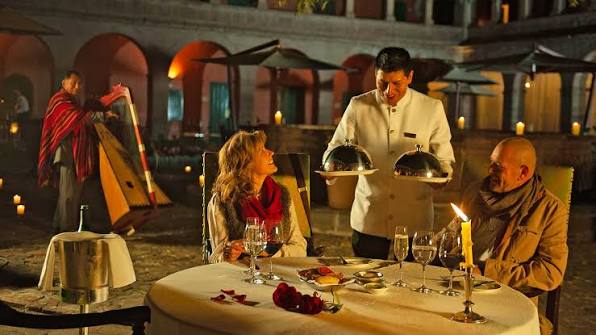
This is where Cusco's dining scene puts its best foot forward. LIMO, on a terrace directly overlooking the Plaza and cathedral, pairs Nikkei technique with Andean and coastal ingredients — ceviches, tiraditos, and a serious pisco cocktail list, best booked for a window table at sunset. A few blocks over on Plaza Regocijo, Chicha, chef Gastón Acurio's Cusco outpost, does an Andean-forward tasting menu without losing the accessibility that made Acurio a household name across Peru.
For something more contemporary, Cicciolina and MAP Café both draw a mostly local, well-heeled crowd rather than a purely tourist one, and Uchu Peruvian Steakhouse serves grilled meats and alpaca on sizzling volcanic stones a short walk from Palacio Nazarenas. If you only eat one meal on the Plaza itself, this cluster is the easiest way to get a genuine sense of what modern Peruvian cooking looks like without leaving the historic center.
San Blas: Courtyards, Cafés & Cusco's Best Vegetarian Scene
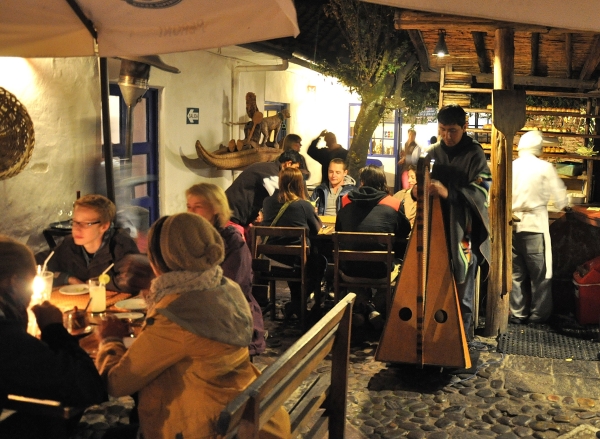
Walk uphill from the Plaza for ten to fifteen minutes and the whole mood shifts. San Blas is where Pachapapa runs one of Cusco's most genuinely local dining experiences — an open-air courtyard, a wood-fired clay oven, and a menu built around cuy al horno (roast guinea pig), trout, and hearty Andean soups, served in a setting that feels more like a private home than a restaurant.
San Blas has also become Cusco's center for plant-based dining. Green Point, near the plaza itself, runs an entirely vegan menu built around mushroom ceviche and Andean-inspired pastas, and newer openings — including a Persian-influenced vegetarian kitchen that arrived in early 2026 — have added real variety beyond the usual "veggie option" travelers settle for elsewhere. For something lighter and less structured, the neighborhood's café scene doubles as a strong coffee stop; we cover that side of things separately in our Cusco nightlife & drinks guide.
Destination Restaurants: Mil & Mauka
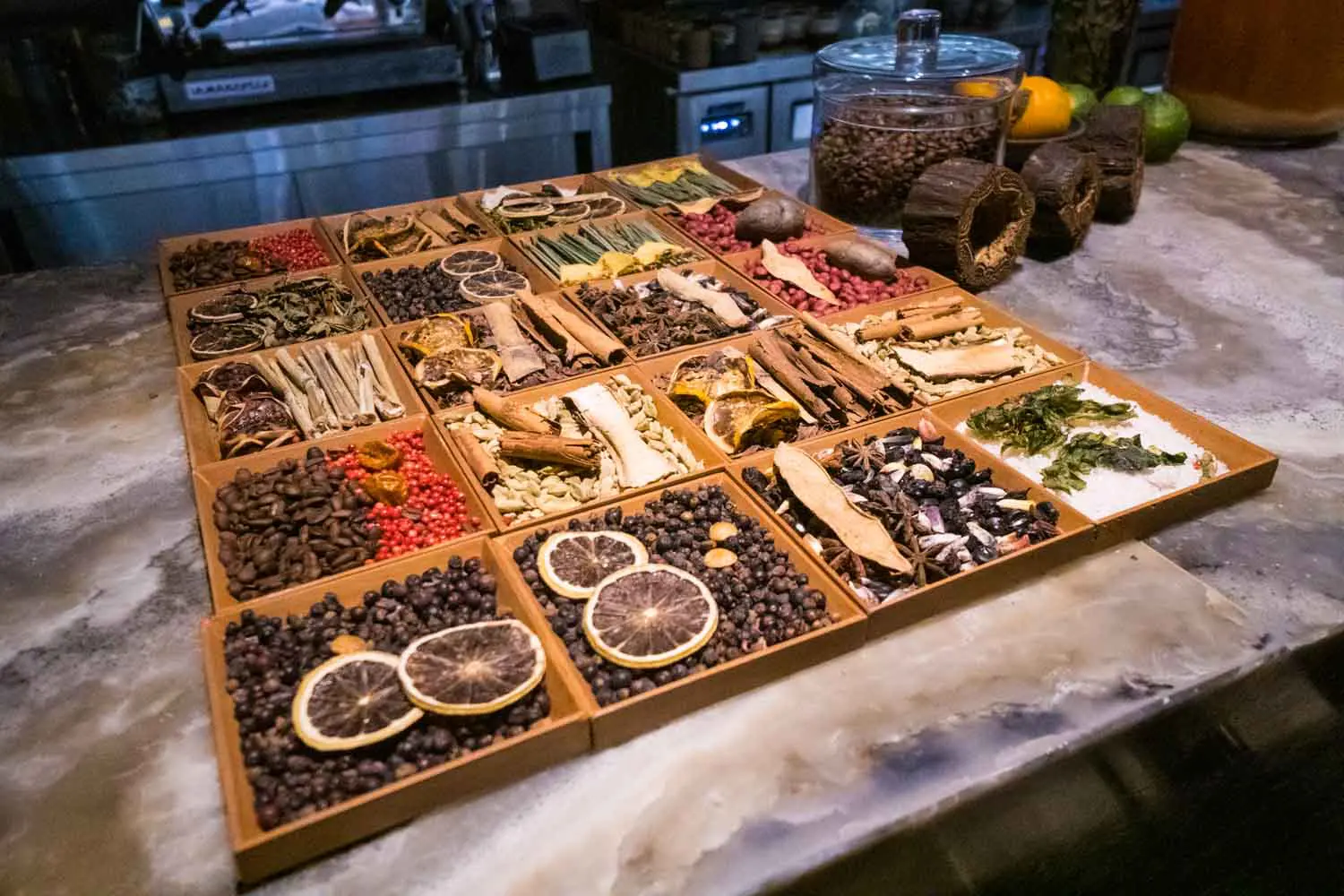
Two restaurants in the Cusco area are worth planning an entire afternoon around rather than treating as a regular dinner. Mil, chef Virgilio Martínez's project near the Moray archaeological terraces about an hour outside the city, is the sister restaurant to Lima's Central, which has held the No. 1 spot on the World's 50 Best Restaurants list. Mil's tasting menu is built entirely around high-altitude biodiversity — ingredients sourced from Andean communities at elevations most restaurants never touch — and it requires its own dedicated transport and a booking made well in advance.
Inside the city, Mauka, set within the Belmond Palacio Nazarenas hotel and led by chef Pía León, takes a similar high-altitude-ingredient approach in a more accessible, serene dining room a short walk from the Plaza. Expect a multi-course tasting format with wine or pisco pairings, and book at least a few weeks out if your trip falls in peak season (June-August).
Eating on a Budget: Picanterías & Menú del Día
Not every meal in Cusco needs to be a production, and the cheapest food in the city is often the best value. Picanterías — traditional local eateries serving recipes passed down for generations — are the place to go if you want to eat the way Cusco actually eats. Most run a menú del día: soup, a main course, and a drink, typically for 15-25 Soles (roughly 4-7 USD). Kusykay Peruvian Craft Food, a short walk from Plaza de Armas on Calle Triunfo, and spots further into the Wanchaq district serve this exact format well, with the Wanchaq options in particular drawing a mostly local crowd rather than travelers.
For an even more immersive (and cheaper) version of this, head into San Pedro Market itself, where stalls serve fresh juice, soups, and hot mains for a fraction of restaurant prices — we cover exactly what to order and how the stalls work in our full Cusco markets guide.
Vegetarian, Vegan & Dietary Needs
Cusco's plant-based scene has grown quickly, and it's concentrated almost entirely in San Blas. Beyond Green Point's fully vegan menu, most mid-range and fine-dining restaurants across both neighborhoods will build a vegetarian tasting menu on request if you ask when booking — this is standard practice at Mauka and most Plaza de Armas restaurants, even though it's rarely advertised on the standard menu. If you're traveling with specific allergies, mention them at booking rather than on arrival; kitchens at the tasting-menu level generally handle this well, but need lead time to adjust sourcing.
Cusco Dining at a Glance: Neighborhood & Budget Comparison
| Where | Vibe | Typical spend (per person) | Good for |
|---|---|---|---|
| Plaza de Armas | Fine dining, rooftop views, Nikkei fusion | S/70-140 | A special dinner without leaving the historic center |
| San Blas | Courtyard dining, cafés, plant-based kitchens | S/40-100 | A slower meal, vegetarian/vegan diners, coffee stops |
| Mil / Mauka (destination) | Tasting menus built on high-altitude ingredients | S/300+ (~$80+ USD) | A dedicated culinary outing, booked weeks ahead |
| Picanterías / Wanchaq | Local menú del día, no frills | S/15-25 | Eating the way Cusco actually eats, on a tight budget |
| San Pedro Market stalls | Juice bars, soup stalls, hot mains | S/8-15 | The cheapest genuine meal in the city |
We'll help you fit it all in.
Practical Tips Before You Book a Table
Start light on day one
Cusco sits at roughly 3,400 m, and altitude affects digestion before almost anything else. Ease in with soup, trout, or a simple lomo saltado rather than a heavy tasting menu or cuy on your first night — save those for once you've acclimatized.
Book destination restaurants early
Mil and Mauka both take advance reservations and fill up fast in the June-August peak season. Mid-range Plaza de Armas and San Blas restaurants are more flexible with walk-ins, but a same-day reservation for dinner is still worth making.
Carry cash for picanterías and markets
Local eateries and market stalls generally run on cash rather than cards. Our Peru currency guide covers exchange tips and how much to carry day to day.
Pair dinner with an after-dinner stop
Plaza de Armas has a growing after-dark scene beyond restaurants, including Cusco's first speakeasy. We map out the best of it in our Cusco nightlife & drinks guide.
Pair This With the Rest of Cusco's Food & Shopping Scene
Restaurants are only one piece of eating well in Cusco. For the specific dishes worth seeking out beyond a restaurant menu — including where cuy, chairo soup, and adobo actually come from — see our guide to Peru's wider dining scene, anchored in Lima, if you're extending your trip. Closer to home, San Pedro, San Blas, and Wanchaq markets are where a lot of these restaurants actually source their ingredients, and they're worth a visit even if you're not cooking anything yourself. If you're shopping for alpaca afterward, our alpaca wool shopping guide covers how to avoid the fakes.
Conclusion
Cusco's dining scene rewards a bit of planning without demanding much of it. Pick Plaza de Armas for a night you want views and polish, San Blas for something slower and more local, budget picanterías when you want to eat the way Cusco actually eats, and set aside a dedicated afternoon for Mil or Mauka if a destination tasting menu is part of why you're visiting Peru at all. Get the neighborhood and the budget right, and the rest of the decision mostly makes itself.
Questions about fitting a specific restaurant or food experience into your itinerary? Get in touch with our team, or start exploring the rest of our guides on our homepage.