Short answer: most "alpaca" and "baby alpaca" sweaters sold on Cusco's streets and in its markets are brushed acrylic or an acrylic blend — locals call it "maybe alpaca" as an inside joke. Genuine alpaca is unmistakable once you know what to check: it feels cool to the touch, weighs noticeably more than synthetic, and almost always comes in natural, undyed tones rather than bright colors. This guide covers exactly how to tell real from fake, what baby alpaca and vicuña actually mean, what a fair price looks like, and where in Cusco to shop with confidence.
Why So Much "Alpaca" in Cusco Isn't Alpaca
Walk through Cusco for ten minutes and you'll pass dozens of stalls and shopfronts advertising "100% baby alpaca" sweaters at prices that seem too good to pass up. Locals have a running joke about it: "maybe alpaca," not baby alpaca. The reality is that brushed acrylic and acrylic-alpaca blends are cheap, easy to dye in bright colors, and visually similar enough at a glance to fool most first-time buyers — and the labeling isn't regulated closely enough to stop vendors from calling it whatever sells.
None of this means you can't buy real alpaca in Cusco — you absolutely can, and it's one of the best textile souvenirs in South America when it's genuine. It just means knowing a few concrete checks before you hand over cash, which is what this guide walks through.
Understanding the Fiber Grades: Alpaca, Baby Alpaca & Vicuña
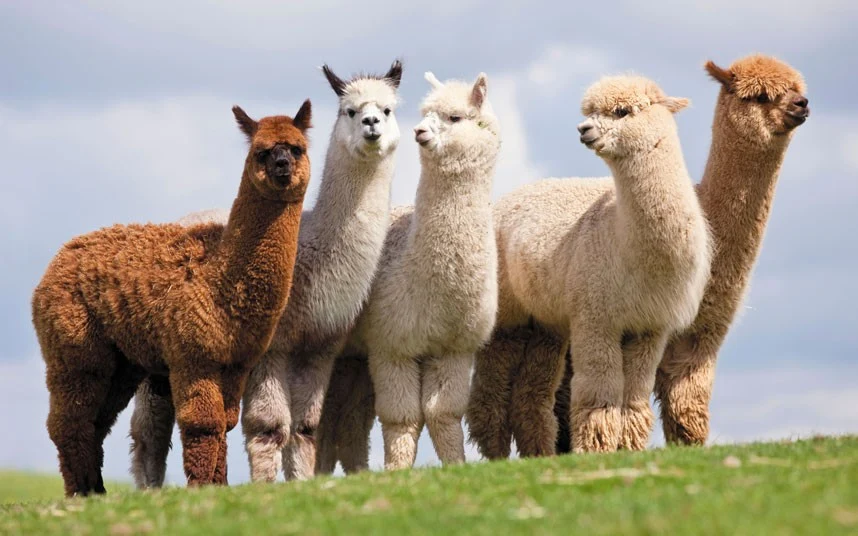
Alpaca wool comes from the alpaca, a domesticated Andean camelid descended from the wild vicuña, bred for its thick coat since long before Inca times. Standard alpaca is already considerably softer and warmer than sheep's wool, and unlike wool, it contains no lanolin — the oily substance that makes some wool itch against skin.
Baby alpaca is not wool from a baby animal, despite what the name suggests and what most souvenir tags imply. It refers to a fiber grade — the finest, softest fibers, generally around 22.5 microns in diameter, taken from an alpaca's first shearing or from the softer fleece on the chest and underside. Because the term describes a grade rather than an age, and because there's no strict labeling enforcement in most souvenir shops, "baby alpaca" gets attached to a lot of products that aren't actually that grade.
Vicuña sits above both. It's the wild ancestor of the alpaca and produces the finest, most expensive natural fiber on earth — historically so valuable the Inca reserved it for royalty. Genuine vicuña items are rare, expensive, and only sold at a small number of high-end stores, kept locked up rather than displayed loosely like the market sweaters.
How to Tell Real Alpaca From Fake: The Physical Tests
You don't need special equipment — your hands are the best tool you have. Here's what to check, in order:
Touch it: the cold test
Genuine alpaca fiber feels distinctly cool when you first touch it, then gradually warms against your skin. Acrylic and synthetic blends feel neutral or warm immediately. This is the single most reliable quick test, and it works even on garments you can't examine closely.
Pick it up: weight matters
Real alpaca is noticeably heavier than synthetic fiber of a similar size. If a "thick" sweater feels suspiciously light, that's a sign it's synthetic.
Look at the color
Genuine baby alpaca is typically sold in natural, undyed tones — browns, creams, grays, soft reds. Bright, vivid colors (hot pink, neon blue) are much easier and cheaper to achieve on synthetic fiber, so a rainbow of vivid "alpaca" sweaters on one stall is a red flag.
Check the weave
Look at the inside of the garment. Acrylic, when brushed to imitate alpaca's texture, tends to look smooth and uniform. Genuine handmade alpaca knits are often less perfectly uniform and, if woven, should show a reversible pattern — a machine-made piece with a pattern visible on only one side is a sign of lower quality, though not necessarily fake fiber.
Ask directly, and be skeptical of certainty
Ask what the fiber content actually is. Vendors who are upfront that a piece is a blend or an older, coarser alpaca fiber are generally more trustworthy than ones who insist everything is "100% baby alpaca" regardless of price point.
What Real Alpaca Actually Costs
Price is one of the clearest tells of all, and it's worth internalizing roughly what things should cost before you start browsing. Genuine 100% alpaca items generally start around 80-150 Soles for smaller pieces like hats, gloves, or scarves. Baby alpaca runs about 50% more than standard alpaca for the same item, reflecting the finer, more labor-intensive fiber. A full baby alpaca sweater at a reputable store typically lands somewhere in the 250-500 Sole range, more for handmade pieces versus machine-made ones. If you see a "100% baby alpaca" sweater offered for 20-30 Soles, it is not genuine — no legitimate seller can produce and sell real baby alpaca at that price and stay in business.
Vicuña operates in an entirely different bracket. Even a small vicuña piece typically starts around $1,000 USD, with larger garments running considerably higher. If you're spending at this level, insist on a certificate of authenticity and a contactable reference — vicuña is the fiber most frequently faked given how much money is at stake.
Alpaca Fiber Grades at a Glance
| Fiber | What it is | Feel | Typical price range |
|---|---|---|---|
| Standard alpaca | Regular-grade fiber from an adult alpaca's coat | Soft, cool to the touch | S/80-150 for smaller items |
| Baby alpaca | Finest fiber grade, ~22.5 microns, from first shearing or chest fleece | Very soft, tightly woven, no itch | ~50% more than standard alpaca |
| Vicuña | Wild ancestor of the alpaca; the world's finest natural fiber | Exceptionally soft and light | $1,000+ per small piece |
| Acrylic / synthetic blend | Brushed synthetic fiber, sometimes blended with a small amount of real alpaca | Warm to the touch immediately, lighter weight | S/15-40, often mislabeled as "alpaca" |
We can help you plan the timing.
Where to Shop, by Budget and Certainty
Markets and street stalls
San Pedro Market and the stalls throughout the historic center are fine for inexpensive, honestly-priced alpaca-blend goods — plenty of vendors here will tell you straight that a piece is a blend or an older fiber if you ask directly. Just don't expect baby alpaca quality at market prices, and always apply the cold-touch test before buying.
Calle Triunfo & the historic center
This street has a good mix of higher and lower-end shops within a short walk, making it an easy place to compare quality side by side before committing to a purchase.
Established boutique stores
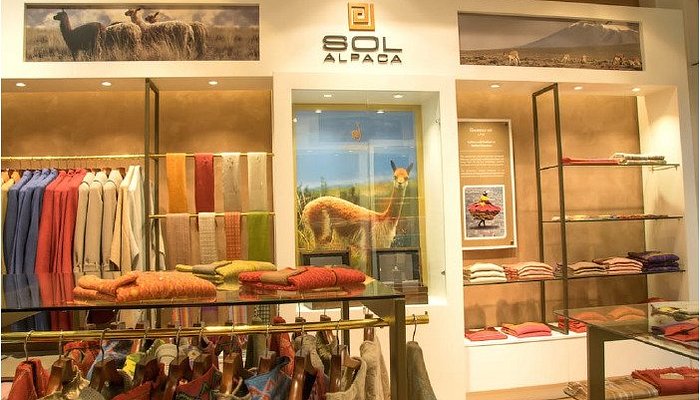
For guaranteed 100% baby alpaca or vicuña, shop at a proper store rather than a market stall — you can verify fiber content, get an itemized receipt, and hold the seller accountable if the claim turns out to be wrong. This is worth the higher price for anything you're buying as a genuine investment piece rather than a casual souvenir.
Centro de Textiles Tradicionales del Cusco
Beyond being a museum dedicated to preserving traditional Andean weaving techniques, its attached shop is a reliable source for authentic, artisan-made textiles with clear provenance — a good stop if you want to understand the weaving process behind what you're buying, not just the finished product.
Pair This With Cusco's Markets
Alpaca shopping and market browsing naturally overlap — San Pedro Market alone covers textiles, souvenirs, and food all in one stop. For the full picture of what's on offer at San Pedro, San Blas, and Wanchaq beyond alpaca specifically, see our complete Cusco markets guide. And if you're building a full day around shopping and eating, our Cusco restaurants guide covers where to refuel nearby.
Conclusion
Real alpaca is one of the best things you can bring home from Peru — genuinely soft, warm, and unlike anything most travelers have felt before. The trick is simply knowing what you're looking at: check the temperature, the weight, the color, and above all, be honest with yourself about what a fair price actually looks like. A sweater that seems too cheap to be true almost always is.
Questions about fitting shopping into your Cusco itinerary? Get in touch with our team, or explore the rest of our guides on our homepage.