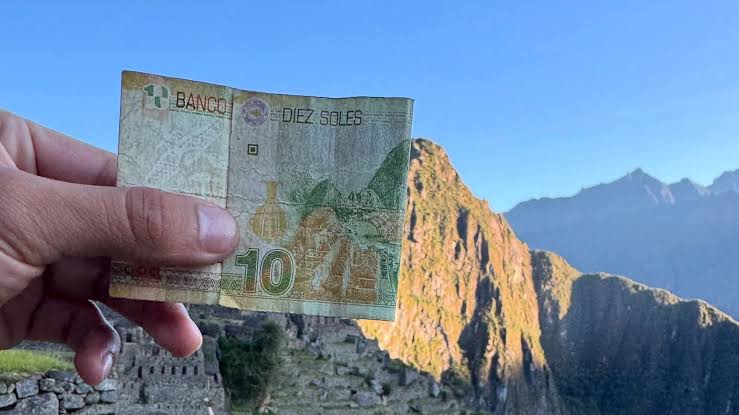
Short answer: the currency of Peru is the Sol (PEN), it currently trades at roughly 3.40 to the US dollar, and you'll want a mix of cash and card to travel comfortably. That's the headline — but the details are where travellers actually lose money, whether through a bad airport exchange rate, a stack of ATM fees they didn't budget for, or a fistful of soles a shopkeeper won't accept because the bill is torn. This is the same practical rundown we give clients before every trip: what the currency is, what it's worth today, where to change money without getting a poor deal, and how to keep bank fees from quietly eating into your trip budget.
What Is the Currency of Peru?
The currency of Peru is the Peruvian Sol, written PEN and shown with the symbol S/. It replaced the earlier Inti in 1991 during a period of monetary reform, and it has been a stable, freely convertible currency ever since, issued and managed by the Central Reserve Bank of Peru (Banco Central de Reserva del Perú, or BCRP). One sol splits into 100 céntimos, though in practice you'll rarely handle anything smaller than a 10-céntimo coin.
Coins come in 10, 20 and 50 céntimo pieces plus 1, 2 and 5 sol coins. Banknotes run from S/10 up through S/20, S/50, S/100 and S/200. In everyday transactions you'll mostly deal in S/10, S/20 and S/50 notes — larger bills like the S/100 and S/200 are common but not always welcomed for small purchases, since many market stalls and taxis simply don't carry enough change to break them.
Peru Currency Exchange Rate Today
Updated July 2026
As of mid-July 2026, the mid-market exchange rate is approximately:
1 USD ≈ S/ 3.40
Over the past 30 days the rate has held in a fairly tight band, roughly S/ 3.38-3.42, and over the past year it has traded between about S/ 3.34 and S/ 3.66 — so it moves, but not dramatically. The figure you'll actually receive at a bank, casa de cambio or ATM will differ slightly from this mid-market number, since every provider builds in its own margin.
| Currency | Amount | ≈ Soles (approx., mid-market) |
|---|---|---|
| USD | 1 | S/ 3.40 |
| USD | 50 | S/ 170 |
| USD | 100 | S/ 340 |
| EUR | 1 | S/ 3.65-3.75* |
*Euro rate varies more by provider — confirm at time of exchange.
Rates shift daily, so treat any printed figure — including this one — as a starting point rather than the number you'll get at the counter. If you'd like a live conversion while reading, use a currency converter tool and check it again a day or two before you fly.

Cash vs. Card in Peru
Both work, but they serve different purposes, and travellers who bring only one or the other tend to hit friction somewhere on the trip.
Cash (soles) is essential for:
- Markets, street food stalls and small local restaurants
- Taxis and mototaxis, almost everywhere outside app-based rideshare
- Small towns, the Sacred Valley, and rural areas generally
- Tipping guides, porters and drivers, especially on multi-day treks
Cards work well for:
- Hotels and mid-range to upscale restaurants
- Larger tour operators and museum or site entry fees
- Supermarkets in Lima, Cusco and Arequipa
A practical split: keep enough small-denomination soles on hand for daily spending, and use a card — ideally one with no foreign transaction fee — for bigger bookings. US dollars are widely accepted at hotels and larger tour agencies in tourist zones as a backup, but you'll consistently get a better effective rate paying in soles, so treat dollars as a fallback rather than your main currency.
One detail that catches first-time visitors off guard: torn, heavily worn, or marked banknotes — dollars and soles alike — are often refused by shops, taxis and even some banks in Peru. Check your bills before you leave the ATM or exchange counter, and ask for a replacement note on the spot if one looks damaged.
Best Places to Exchange Money in Peru
Ranked roughly from best to worst rates:
1. Casas de cambio (exchange houses)
Found throughout Lima, Cusco and other cities, these typically offer the best rates and are faster than banks. Look for ones on main streets with clearly posted rates — Miraflores in Lima and the streets around the Plaza de Armas in Cusco have reliable, well-established options.
2. Banks
Slightly lower rates than casas de cambio and often slower due to paperwork, but a safe, official choice — worth using for larger sums where a marginally worse rate matters less than security and a paper trail.
3. ATMs
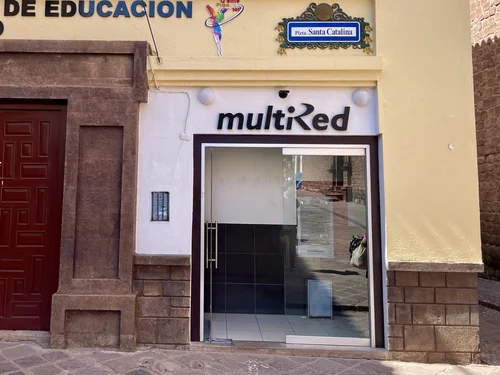
Convenient and often competitive on rate, though a per-withdrawal fee applies. See the ATM fees section below for how to minimise the cost.
4. Airport exchange counters
Available at Lima and Cusco airports, but consistently offer the worst rates of any option on this list. Use these only for a small amount to cover your taxi and first meal.
5. Hotels
Convenient in a pinch, but rates are usually poor. Treat as a last resort, not a plan.
Avoid street money-changers entirely, even ones displaying official-looking rate boards — this is a well-documented scam setup in tourist-heavy areas, and there's no reliable way to verify the rate or the authenticity of the bills you'd receive.
| Where to exchange | Typical rate quality | Speed | Best for | Safety note |
|---|---|---|---|---|
| Casa de cambio | Best | Fast | Everyday exchange needs | Use licensed, storefront locations only |
| Bank | Good | Slower, paperwork | Larger sums | Safest option overall |
| ATM | Good | Instant | Ongoing cash top-ups | Use bank-branded machines |
| Airport counter | Poor | Instant | Small emergency amounts only | Safe, just expensive |
| Hotel | Poor | Instant | Last resort | Safe, just expensive |
| Street money-changer | Unverifiable | Instant | Not recommended | Common scam setup — avoid |
ATM Fees in Peru
Withdrawing soles from an ATM (a "cajero automático") is usually the most convenient way to get local currency, but fees stack from two directions at once.
Peruvian bank fee: most ATMs charge around S/ 15-25 (roughly USD 4-7) per withdrawal, regardless of the amount you take out.
Your home bank's foreign transaction fee: often 1-3% of the withdrawal amount, sometimes with an additional flat international ATM fee layered on top depending on your card.
Ways to minimise ATM fees
- Withdraw larger amounts less often rather than making frequent small withdrawals.
- Use a debit card from a bank that reimburses foreign ATM fees or waives its own — common with online-first banks.
- Prefer major bank ATMs (BCP, Interbank, Scotiabank, BBVA) over unbranded standalone machines, which tend to charge higher fees and are more frequent targets for card skimming.
- Always choose to be charged in soles, not your home currency, when the machine asks. Accepting on-the-spot "conversion" (known as dynamic currency conversion) locks in a worse rate than letting your own bank handle the conversion.
Practical Checklist: Avoiding the Common Money Mistakes
Notify your bank before you travel
A card frozen for "suspicious activity" mid-trip is one of the most common and avoidable problems travellers run into. A quick travel notification with your bank or a note in your banking app before departure prevents it.
Carry small bills
Break large notes at a bank or supermarket rather than trying to pay for a S/8 taxi ride with a S/100 bill — many small vendors simply won't have change.
Use bank-branded ATMs in daylight hours
Ideally inside a bank lobby or shopping centre. This reduces both skimming risk and the chance of a mechanical fault swallowing your card.
Decline dynamic currency conversion
Whether at an ATM or a card terminal in a shop, always choose to be billed in soles. It's a better rate every time.
Keep a small USD emergency reserve
Newer, undamaged bills, kept separately from your main cash. Useful for remote treks, unexpected costs, or a card that stops working unexpectedly.
We'll help you budget it right.


