This complete Cusco altitude sickness guide gives you everything you need to arrive prepared, acclimatise safely, and actually enjoy the treks you came here for. The stakes are real: 1 in 5 visitors who experience altitude sickness in Cusco are forced to alter their travel plans entirely — missing tours, spending days in bed, or cutting their trip short before they ever reach the mountains.
Why Cusco's Altitude Catches So Many Travelers Off Guard
Cusco is not just high — it is the kind of high that surprises even experienced travelers who are fit, healthy, and well-traveled. At 3,400 meters (11,200 feet), the city sits above most of Europe's highest mountain peaks and well above the altitude threshold where Acute Mountain Sickness (AMS) becomes a genuine risk.
The problem is that most people fly into Cusco directly from Lima, which sits at just 154 meters above sea level. That rapid vertical jump of more than 3,200 meters in the span of a one-hour flight gives your body almost no time to adapt — and the consequences arrive fast.
Symptoms typically appear within 6 to 24 hours of arrival and can persist for 24 to 72 hours during the initial acclimatisation phase. Knowing this allows you to plan your first two days in Cusco carefully, rather than arriving and immediately heading out on a strenuous tour.
The Physiology Behind Altitude Sickness (And Why Fitness Doesn't Protect You)
One of the most persistent myths we encounter is that physically fit travelers won't get altitude sickness in Cusco. This is simply not true, and understanding why helps you take the right precautions regardless of your fitness level.
Altitude sickness is a function of how quickly you ascend, not how strong you are. Your body needs time to produce more red blood cells and increase the efficiency of oxygen delivery to your organs and muscles. No amount of cardio training at sea level speeds up that biological process.
That 50% illness rate for direct Lima-to-Cusco flyers is a number worth sitting with before you book. The practical takeaway is straightforward: if your itinerary allows for a stop in Arequipa (2,335 meters) or another intermediate altitude city on your way to Cusco, take it. At minimum, build in buffer days at the start of your Cusco stay. These are not wasted days — they are the days that make every subsequent day on the trail possible.
Our Acclimatisation Protocol: What We Tell Every Trekker
At Kontiki Hikes, we have a specific acclimatisation methodology we share with every client before they join us on a high-altitude trek. It is not a casual suggestion — it is a structured protocol built from years of guiding people through environments that start at 4,326 meters and reach summits of 5,200 meters.
Rest completely
Unpack, eat a light meal, drink water consistently, and sleep early. Do not plan any physical activity. Your body is working harder than it feels.
Short, slow walks around Cusco
Visit the Plaza de Armas, explore the San Blas neighbourhood slowly, continue hydrating. Avoid alcohol entirely. No treks above 4,000m.
No alcohol, full hydration
No alcohol, no heavy meals, and at least 2 to 3 litres of water throughout the day. Your guide will confirm pickup time — prepare your gear the night before.
Eat, layer up, hydrate early
Eat a proper breakfast, dress in layers, and carry a water bottle you will actually use on the trail. Our guides carry oxygen and a first aid kit on every departure.

Recognising Altitude Sickness Symptoms: From Mild to Serious
Part of any practical Cusco altitude sickness guide is teaching travelers to read their own bodies accurately. The difference between mild AMS and something more serious is something every trekker in the Andes needs to understand before they leave Cusco.
High Altitude Pulmonary Edema (HAPE) and High Altitude Cerebral Edema (HACE) are rare but life-threatening conditions. If you or a fellow trekker exhibits any serious symptoms, descend immediately and seek medical care. There is no exception to this rule.
The Best Remedies for Altitude Sickness in Cusco: What Actually Works
Coca Tea (Mate de Coca)
Coca leaves have been used by Andean communities for centuries at high altitude, and for good reason. Coca tea is widely available across Cusco and is one of the most commonly recommended local remedies for mild altitude sickness symptoms. It is legal in Peru and widely accepted in local culture. We recommend it during your first two days in Cusco as a gentle supportive measure alongside proper hydration.
Hydration
Dehydration accelerates altitude sickness symptoms significantly. Aim for 3 to 4 litres of water per day during your acclimatisation period in Cusco, and continue drinking consistently throughout any trek. Avoid caffeine and alcohol during the first 48 hours — both are diuretics that accelerate fluid loss and increase risk of worsening symptoms.
Acetazolamide (Diamox)
Acetazolamide is the most widely prescribed medication for altitude sickness prevention. It works by stimulating faster and deeper breathing, which increases blood oxygen levels more quickly. It requires a prescription in most countries and comes with side effects including increased urination and tingling in the hands and feet. Consult your doctor well before your trip — starting it 24 to 48 hours before arrival in Cusco is standard practice.
Rest and Pacing
This sounds simple because it is. Resting properly during your first two days in Cusco is the single most effective thing you can do to avoid ruining the rest of your trip. We have seen many travelers skip this step and pay the price by day three.
Choosing the Right Cusco Trek Based on Your Acclimatisation Level
Not every trek is appropriate for every traveler, and matching the right hike to your actual acclimatisation level can be the difference between an incredible experience and a miserable one. Here is how we break it down for our 2026 trekking clients.
| Trek | Max Altitude | Difficulty | Min. Acclimatisation | Price (Group) |
|---|---|---|---|---|
| Palccoyo Rainbow Mountain | ~4,900m | ✓ Easy 3 km round-trip |
2 days | From $65 |
| Humantay Lake | ~4,200m | Moderate | 2 days | From $60 |
| Ausangate 7 Lagoons | ~4,800m | Strenuous | 3+ days | From $65 |
| Rainbow Mountain Vinicunca | 5,200m | Strenuous | 3+ days strongly | From $65 |
| Salkantay Trek 5D/4N | 4,630m pass | Multi-day strenuous | 3+ days, gradual ascent built in | From $680 |
For travelers who are still finding their altitude legs, we consistently recommend Palccoyo as the best starting point. It offers three colourful mountain ranges with a gentle 3 km round-trip trail — an extraordinary visual payoff without pushing your body into dangerous territory before it is ready.
Which Trek Should You Start With?
- You arrived in Cusco 2 days ago or less
- You have had mild headaches or slight fatigue
- You want an extraordinary view without extreme altitude
- You are travelling with children or seniors
- You want fewer crowds than Vinicunca
- You want 3 coloured mountains instead of 1
- You have been in Cusco at least 3 full days
- You feel strong with no altitude symptoms
- You want the iconic 5,200m summit experience
- You have good cardiovascular fitness
- You want to also visit the Red Valley
- You are comfortable with a 12 km round-trip hike
Special Considerations for Multi-Day Treks
Single-day treks are physically demanding, but multi-day itineraries that gain significant elevation over consecutive days require a more detailed altitude strategy. Our Cusco altitude sickness guide specifically addresses the planning differences for extended treks.
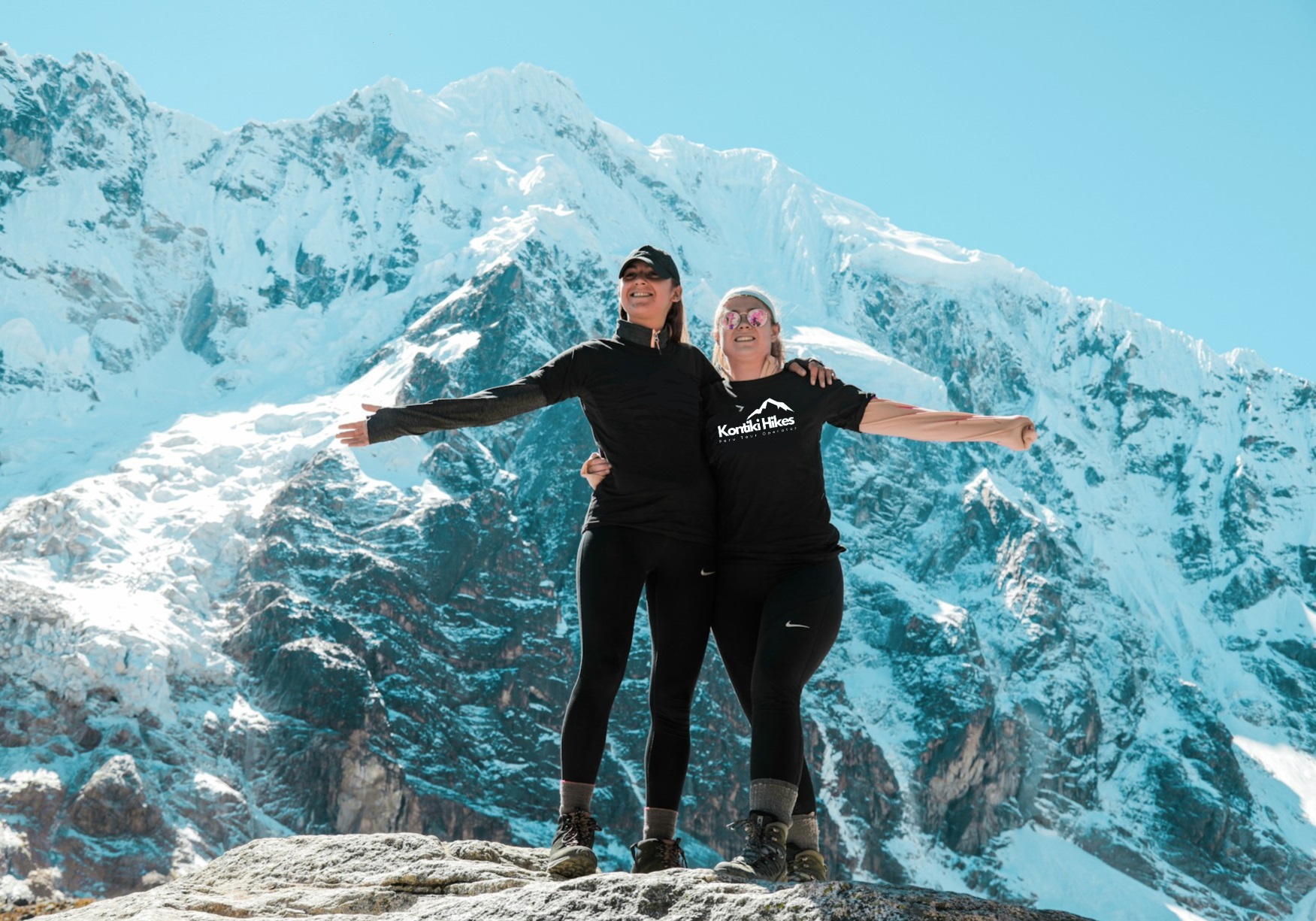
The Salkantay Trek at $680 per person is our most comprehensive multi-day offering, covering 5 days and 4 nights across terrain that begins near Cusco and passes through glacier valleys before descending to the cloud forest near Machu Picchu. The itinerary is designed with a gradual elevation profile, which itself serves as a built-in acclimatisation structure.
What to Pack for High-Altitude Trekking Around Cusco
Packing correctly is part of managing altitude well. Being cold, underdressed, or dehydrated exacerbates the physical stress your body is already experiencing at elevation. Here is the gear checklist we share with every trekker before they join one of our small-group tours.
Clothing and protection
Base layer (moisture-wicking), mid layer (fleece or down), outer shell (windproof and waterproof). SPF 50+ sunscreen — UV intensity is dramatically higher at altitude than at sea level. UV-blocking sunglasses and a wide-brimmed hat. Broken-in waterproof hiking boots with ankle support.
Hydration and nutrition
At least a 2-litre water bottle or hydration bladder, plus electrolyte tablets. High-energy, easy-to-digest trail snacks — nuts, energy bars, dried fruit. Avoid alcohol the night before and morning of any trek.
Medications and first aid
Paracetamol or ibuprofen for headaches. Any altitude medication your doctor prescribed. Personal prescription medications. Note: our private tours include a professional first aid kit and guide as a bundled service. Group tours also include oxygen on all high-altitude day treks above 4,000m.
with altitude in mind.