Short answer: the Sacred Valley of the Incas was the agricultural and spiritual heartland of the Inca Empire, and today it remains one of the most rewarding parts of any Cusco-based trip — a string of living towns, market days, and major archaeological sites strung along the Urubamba River, all at a noticeably lower altitude than Cusco. This guide covers what makes the Sacred Valley cusco peru region worth the time, its key towns and sites, and how to plan whether you're doing a single day tour or an overnight stay.
What Is the Sacred Valley of the Incas?
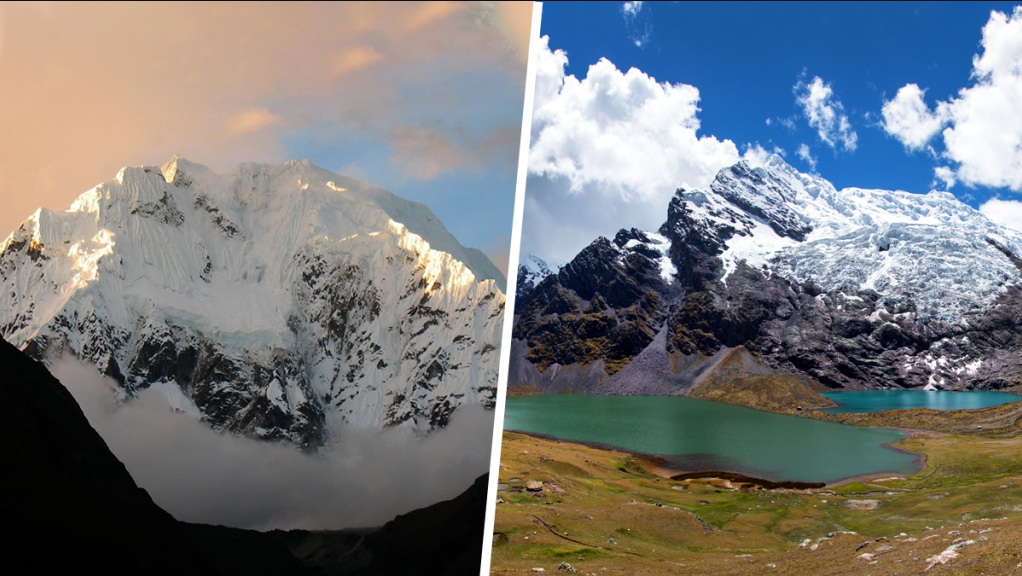
The Sacred Valley of the Incas refers to the stretch of the Urubamba River valley running roughly from Pisac to Ollantaytambo, northwest of Cusco. Its fertile floor, mild climate, and reliable water supply made it one of the most agriculturally productive regions in the entire Inca Empire, and the Inca invested heavily in terracing, irrigation canals, and storage infrastructure here — much of which is still visible, and in places still functional, today. Because of this agricultural and spiritual importance, several of the empire's most significant sites were built directly in the valley rather than in Cusco itself.
Unlike Cusco, which functions primarily as a modern regional capital layered over Inca foundations, the sacred valley cusco region retains a more rural, slower pace, with small agricultural towns, weekly markets, and a noticeably different atmosphere from the city.

Pisac, Ollantaytambo, Chinchero & Moray
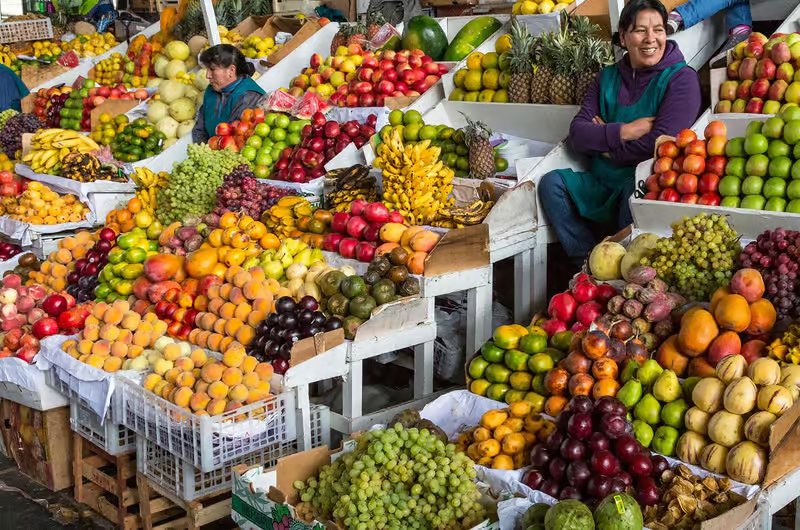
Pisac combines one of the region's most famous artisan markets with an archaeological park above the town, holding some of the finest Inca stonework outside Machu Picchu itself — terraces, ceremonial baths, and a sun temple carved directly into the mountainside. We cover the market side of Pisac in detail in our Cusco markets guide.
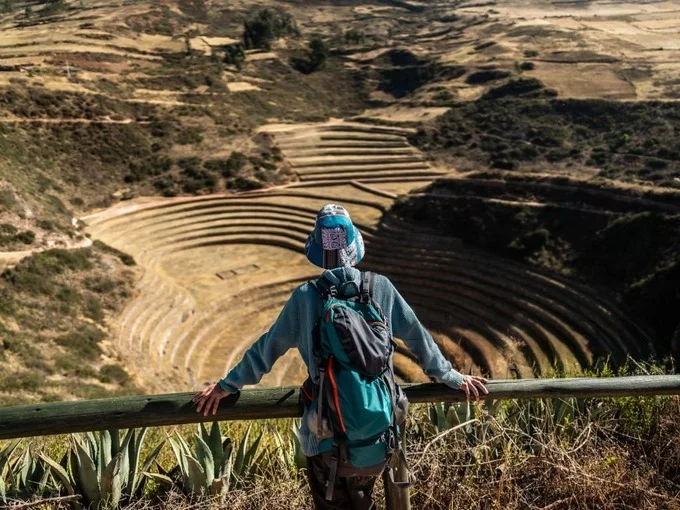
Ollantaytambo is genuinely unique among Inca sites — not just ruins, but a living town where the original Inca street grid, water channels, and agricultural terraces are still part of daily life. Its imposing hillside fortress and temple complex was also the site of one of the Inca's few decisive victories against the Spanish, in 1537, before the town was eventually abandoned as a defensive position. Chinchero, higher up the valley, is the region's center for traditional hand-weaving, where cooperatives demonstrate natural-dye and weaving techniques passed down for generations. Moray, with its concentric circular terraces, is thought to have functioned as an Inca agricultural laboratory, using the terraces' varying depths to create different microclimates for testing crop viability.

- Urubamba River
- — the river running the length of the Sacred Valley, eventually flowing past Machu Picchu.
- Boleto Turístico
- — Peru's tourist ticket, required to enter most Sacred Valley archaeological sites.
- Andenes
- — the Quechua-derived term for Inca agricultural terracing, widely visible throughout the valley.
Tickets, Timing & Practical Planning
Entry to Pisac, Ollantaytambo, Chinchero, and Moray's archaeological sites requires Peru's Boleto Turístico (tourist ticket) — the Sacred Valley partial circuit costs roughly 70 Soles and is valid for two days, purchased in Cusco at the COSITUC office or at site entrances. It isn't sold online, so plan this into your first Cusco day rather than assuming you can buy it on arrival at a site.
A single guided day tour, departing early morning from Cusco, can realistically cover Pisac, Ollantaytambo, and Chinchero, though it moves at a brisk pace. An overnight stay in the valley — Ollantaytambo and Urubamba are the most common bases — allows a slower, more complete visit and doubles as useful lower-altitude acclimatization before a multi-day trek or before pushing higher into the Andes.
| Myth | Fact |
|---|---|
| The Sacred Valley is just one town | It's a roughly 60km stretch of valley containing several distinct towns and archaeological sites, each with its own character. |
| You need a full week to see it | A well-organized single day tour can cover the highlights; a genuinely relaxed visit takes 1-2 nights. |
| The Sacred Valley is higher altitude than Cusco | It's actually lower — typically around 2,800m versus Cusco's 3,400m — making it a useful acclimatization stop. |
We'll help you sequence the stops.
Common Mistakes When Planning a Sacred Valley Visit
Trying to see everything in one rushed day
Each major site deserves real time — cramming all four into a few hours means seeing very little of any of them properly.
Not buying the Boleto Turístico in advance
It isn't sold online and isn't always available at every site entrance — buy it in Cusco before heading to the valley.
Skipping the valley entirely to save time for Machu Picchu
The Sacred Valley is genuinely distinct from Machu Picchu and Cusco — skipping it means missing a significant part of the region's Inca history and living culture.
Conclusion
The Sacred Valley of the Incas rewards real time — whether that's a well-planned single day or a relaxed overnight stay, its combination of major archaeological sites, living Andean towns, and lower altitude makes it one of the most complete parts of a Cusco-based Peru trip.
Ready to plan your Sacred Valley visit? Get in touch with our team, or head back to our Cusco guide for the wider picture.