By Kontiki Hikes·Local Cusco Team·14 min read·Updated August 2026
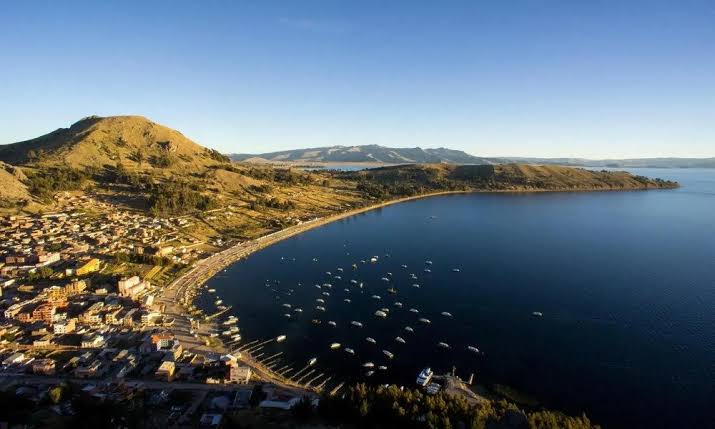
Lake Titicaca is the highest navigable lake in the world, sitting at roughly 3,800 meters on the border of Peru and Bolivia, famous for its man-made Uros floating islands and traditional weaving communities on Taquile Island.
Short answer: Lake Titicaca is one of the most striking add-ons to a Cusco-based Peru trip — a genuinely different landscape, higher in altitude than Cusco itself, reachable by bus or a short flight, and home to the floating reed islands most travelers have seen in photos without knowing where they were. This guide covers how to get there, what to actually do once you arrive, and how it fits alongside a Cusco-Machu Picchu itinerary.
Key takeaways
It's higher than Cusco, not lowerPuno and Titicaca sit around 3,800m — plan for extra acclimatization if arriving from lower altitude.
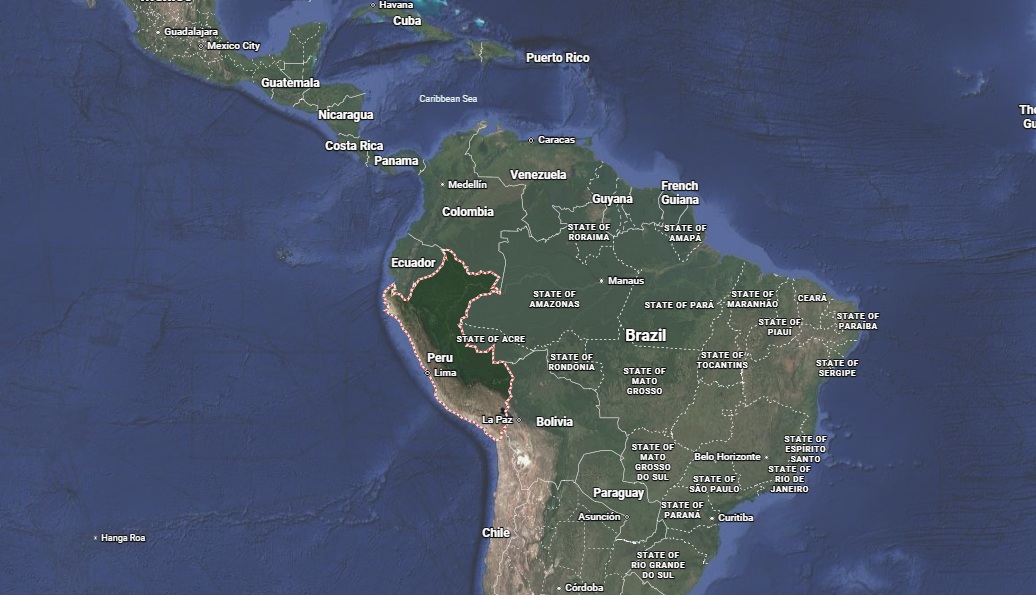
The lake is shared with BoliviaTiticaca straddles the Peru-Bolivia border; the Peruvian side is accessed via Puno.
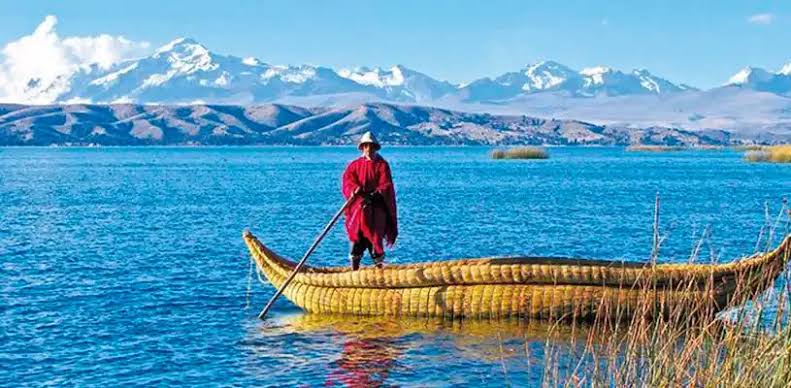
The Uros islands are man-madeBuilt entirely from totora reeds by indigenous communities, still inhabited today.
Bus or flight from CuscoA 6-7 hour bus or a short flight via Juliaca are the two standard routes.
Two days covers the essentialsUros and Taquile islands plus an overnight in Puno; add a homestay night for a deeper experience.
It's the world's highest navigable lakeA genuinely rare geographic distinction, not just a marketing line.
3,812m
Approximate elevation of Lake Titicaca
#1
World's highest navigable lake
2
Countries sharing the lake: Peru and Bolivia
6-7 hrs
Bus travel time from Cusco to Puno
Getting to Lake Titicaca from Cusco
Most travelers reach Lake Titicaca via Puno, the lakeside city that serves as the main gateway on the Peruvian side. The standard route from Cusco is an overland bus or shared tourist van, taking roughly 6-7 hours and often stopping at points of interest along the way. A faster alternative is a short flight from Cusco to Juliaca, followed by a roughly 45-minute transfer to Puno — worth it if you're tight on time, though it skips the scenic overland route through the Altiplano.
How to use this guide
Getting there first, since it's the biggest planning decision, then what to actually do on the lake, then altitude and timing.
Puno serves as the launch point for boat trips out to the Uros and Taquile islands.
Uros Islands, Taquile & What to See
The Uros floating islands, a short boat ride from Puno's harbor, are the lake's signature attraction — dozens of man-made islands built and continuously rebuilt from layered totora reeds, home to indigenous communities who have lived this way for generations. Further out, Taquile Island is known for traditional hand-woven textiles recognized by UNESCO, and a slower, more rural pace than the Uros' now well-trodden tourist circuit. Many tours combine both in a single day, though an overnight homestay on one of the islands is worth considering for travelers who want a deeper, less rushed experience.
From our local team
"The Uros islands get busy with day-trip boats by mid-morning. If you can get an early departure from Puno, you'll have a genuinely different, quieter experience than the midday crowds."
Altitude & Best Time to Visit
Titicaca and Puno sit noticeably higher than Cusco — roughly 3,800 meters versus Cusco's 3,400 — so travelers arriving directly from lower altitude, or even from Cusco itself, should expect the adjustment period to matter here too. The dry season (May-October) offers the clearest weather and easiest travel conditions, while the wetter months bring more rain but fewer crowds.
Kontiki Hikes · Southern Peru
Adding Lake Titicaca to your Cusco trip? We'll help you plan the logistics.
Between the altitude, the travel time, and deciding how many days to allocate, Titicaca takes real planning. Our local team can help.
Titicaca sits roughly 400m higher than Cusco — don't assume you're already fully acclimatized just because you've spent time in Cusco.
Only visiting the Uros islands
Skipping Taquile means missing the quieter, more traditional side of the lake.
Assuming Titicaca is a quick day trip from Cusco
With 6-7 hours of travel each way, this is realistically a 2+ day addition, not a same-day excursion.
Can you swim in Lake Titicaca?
Technically yes, but the water is very cold year-round due to the altitude — most visitors skip swimming entirely.
Is Puno safe?
Puno is generally safe for tourists in the main areas around the harbor and city center, with standard travel precautions.
Can I visit the Bolivian side too?
Yes, some itineraries continue overland into Bolivia via Copacabana, though this requires additional visa/entry planning.
3,812m
Elevation
Puno
Main gateway city
Uros
Man-made reed islands
2 days
Recommended minimum
Conclusion
Lake Titicaca is one of the most rewarding extensions to a Cusco-based Peru trip, offering a landscape and culture genuinely distinct from anywhere else on a standard itinerary. Budget real travel time, plan for the altitude, and don't stop at the Uros islands alone.
Local Cusco Guides · Sacred Valley, Cusco · Since 2018
Written by our local Cusco team, who help travelers extend their trip south to Titicaca regularly. Licensed by the Peru Ministry of Tourism (Mincetur). Rated 5.0 on Tripadvisor.
Frequently Asked Questions — Lake Titicaca
Lake Titicaca sits on the border of Peru and Bolivia and is shared by both countries. The Peruvian side is accessed via the city of Puno.
The most common route is a bus or shared tourist van from Cusco to Puno, taking roughly 6-7 hours, or a direct flight from Cusco to Juliaca followed by a short transfer to Puno.
The Uros are man-made islands built entirely from totora reeds, home to indigenous communities who have lived on Lake Titicaca this way for generations. They're one of the most visited sites on the lake, reachable by short boat trip from Puno.
Yes. Lake Titicaca and Puno sit at roughly 3,800 meters, about 400 meters higher than Cusco, so acclimatization matters even more here than in the Sacred Valley.
Two days is typically enough for a day trip to the Uros and Taquile islands plus an overnight in Puno, though an overnight homestay on the islands themselves extends the experience for travelers with more time.