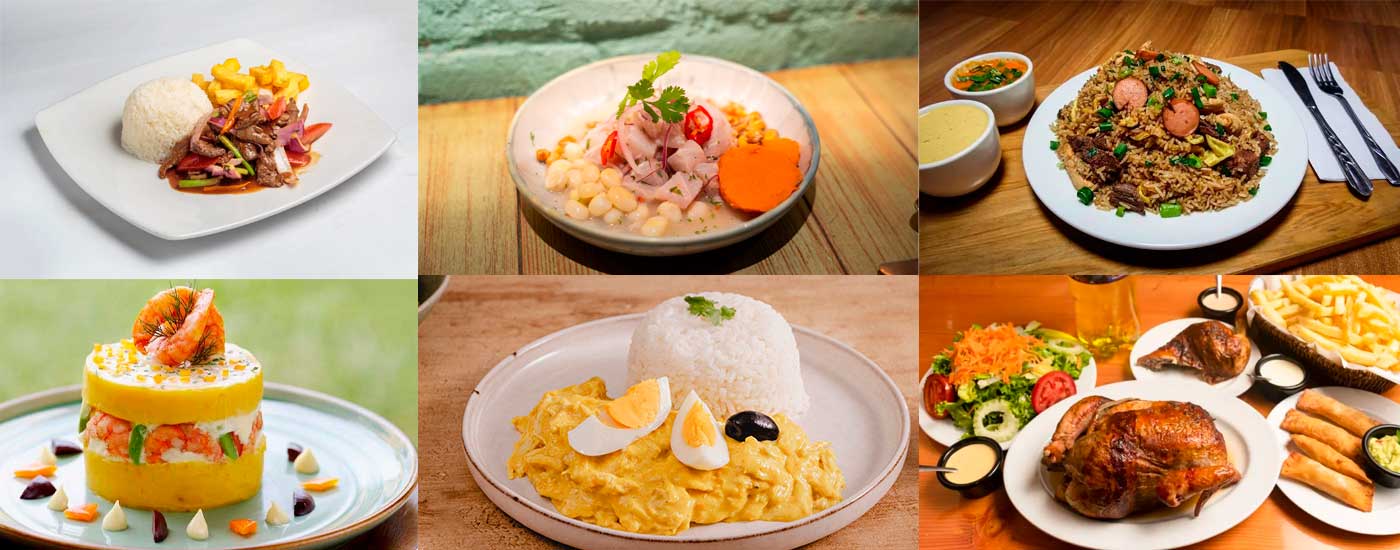
Short answer: Peruvian food isn't one cuisine, it's several layered on top of each other — native Andean ingredients like potato and quinoa going back thousands of years, Spanish colonial technique, African-influenced coastal cooking, and later waves of Chinese and Japanese immigration that produced entirely new fusion traditions. This guide covers the dishes, ingredients, and culinary movements worth knowing before you eat your way through Peru, whether you're at a Cusco picantería or a Lima tasting menu.
The Foundations: Native Ingredients & Ceviche
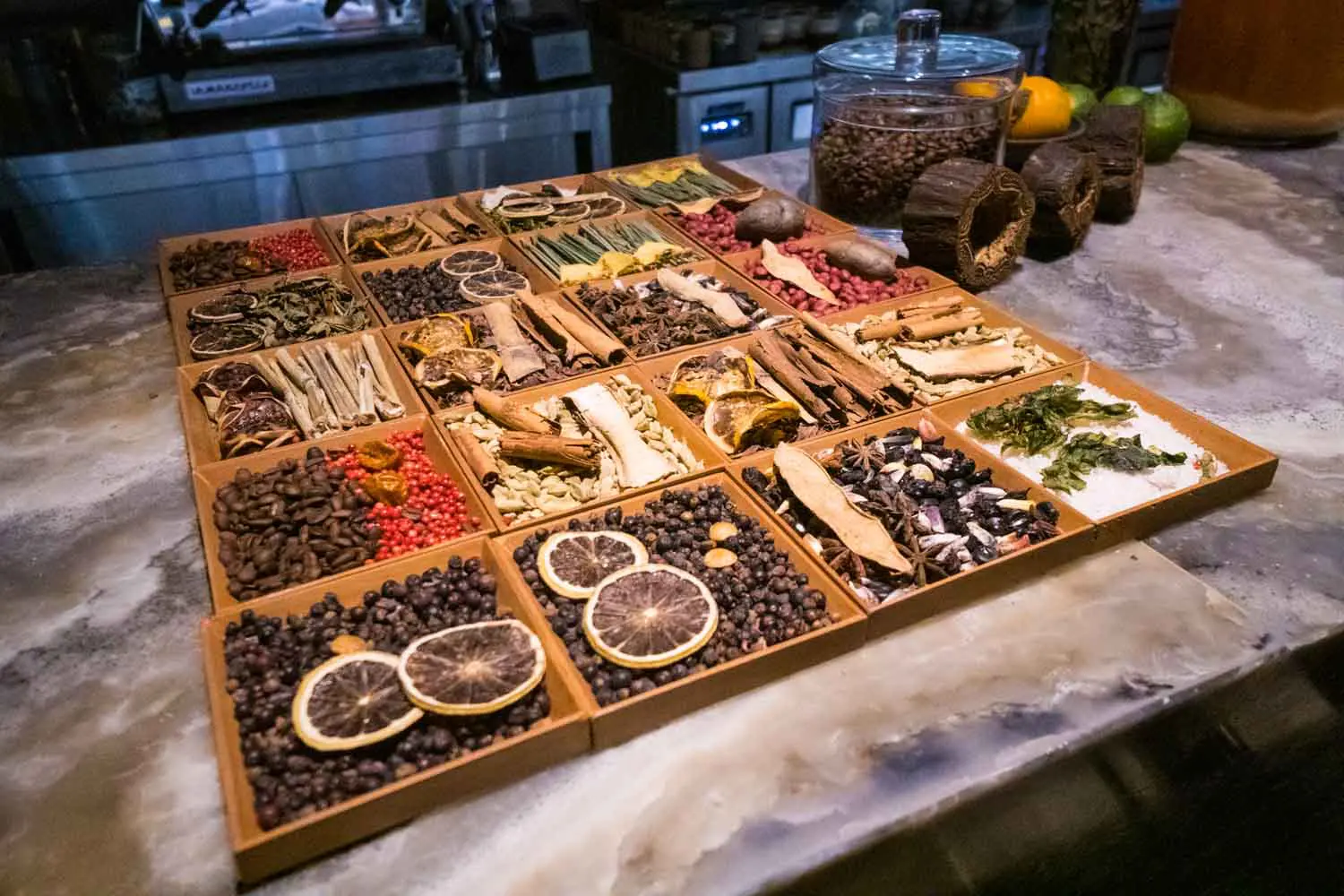
Beneath every modern Peruvian dish sits a deep foundation of native ingredients cultivated in the Andes for thousands of years before European contact. Peru is the birthplace of the potato, home to thousands of native varieties in colors and textures far beyond what most countries cultivate — from tiny purple papa negra to giant yellow papa amarilla, each suited to different dishes and altitudes. Alongside the potato, quinoa, ají peppers, and corn form the backbone of Andean cooking, cultivated using terracing and irrigation techniques the Inca inherited and refined from earlier civilizations.
Ceviche — fresh fish cured in lime or lemon juice with ají amarillo, red onion, and cilantro, usually served with sweet potato and choclo (Peruvian corn) — is the dish most associated with Peru internationally, and for good reason. The acid in the citrus juice "cooks" the fish through a chemical process called denaturation rather than heat, a technique with roots in pre-Columbian coastal fishing communities, later refined with the introduction of citrus fruit by Spanish colonizers.

The Fusion Traditions: Chifa & Nikkei
Two immigrant communities reshaped Peruvian cooking in lasting ways. Chifa — Chinese-Peruvian cuisine — emerged from a wave of 19th-century Chinese immigration, largely composed of laborers who arrived to work on coastal plantations and railroads after the abolition of slavery created labor shortages. Lima now holds one of the largest Chinese populations in Latin America, with chifa restaurants a genuine everyday fixture rather than a novelty — dishes like arroz chaufa (Peruvian-style fried rice) and lomo saltado, a stir-fried beef dish showing clear wok-cooking influence, are now considered thoroughly Peruvian in their own right.
Nikkei cuisine developed from a separate wave of Japanese immigration in the late 19th and early 20th centuries, blending Japanese technique — precision, minimal seasoning, careful raw-fish handling — with Peruvian ingredients and flavors like ají amarillo and leche de tigre (the citrus marinade left over from making ceviche). Lima's Maido, one of the world's most acclaimed restaurants, is built entirely around the Nikkei tradition, and the style has become one of Peru's most internationally celebrated culinary exports.
- Ají amarillo
- — a bright yellow-orange chili central to Peruvian flavor, prized for aroma more than pure heat.
- Chifa
- — Chinese-Peruvian fusion cuisine, a major and enduring culinary tradition.
- Nikkei
- — Japanese-Peruvian fusion cuisine, developed by Japanese immigrant communities.
- Leche de tigre
- — the citrus-based marinade left over from preparing ceviche, often served as a restorative shot on its own.
- Picantería
- — a traditional, unpretentious local restaurant serving home-style Peruvian dishes.
Traditional Cooking Methods
Beyond specific dishes, Peru retains cooking techniques that predate both the Inca Empire and Spanish colonization. Pachamanca — meaning roughly "earth pot" in Quechua — is a traditional method of slow-cooking meat, potatoes, and vegetables underground using heated stones, a technique tied to celebrations and community gatherings across the Andean highlands, still practiced much the way it has been for centuries. Chicha de jora, a fermented corn beer with roots in Inca and pre-Inca ceremonial life, remains a genuine part of rural Andean culture, distinct from the pisco-based cocktails more commonly served to travelers in cities.
What to Eat in the Cusco Region Specifically
Cusco's Andean highland cuisine leans into hearty, high-altitude staples suited to the cold, thin air — chairo soup (a hearty vegetable and meat stew), adobo (a pork dish marinated in chicha and spices, traditionally a Sunday dish), and cuy (roast guinea pig), a genuine Andean tradition rather than a tourist novelty, typically reserved for celebrations and special occasions rather than everyday eating. Our Cusco restaurants guide covers exactly where to find these dishes done well, and our Lima dining guide covers the Nikkei and fine-dining side of the cuisine on the coast.
We'll point you to the right spots.
Conclusion
Peruvian cuisine earns its global reputation honestly — layered from thousands of years of native ingredients, ancient cooking techniques, and generations of immigrant fusion, it's one of the few national cuisines where "world-class" and "genuinely traditional" are the same thing. Wherever you eat in Peru, you're tasting several centuries of history at once.
Ready to eat your way through it? See our Cusco restaurants guide or Lima dining guide for exactly where to go.