
Pisco is Peru's national spirit — a clear-to-amber grape brandy distilled from wine, made without a drop of water added after distillation and never aged in wood. It's the base of the Pisco Sour, the country's signature cocktail, and it's also the center of a genuine, decades-long naming dispute with Chile that neither government has resolved. Here's the real history, the four official types, how to drink it properly, and where to taste it — from working bodegas in the Ica desert to a hotel bar in Lima that's been pouring the same recipe since the 1920s.
A Real History, Not a Marketing Story
Pisco's origin traces to the earliest decades of Spanish colonial Peru, when vineyards planted for wine production began yielding far more grapes than the wine trade could use — partly because Spain itself restricted colonial wine production and export to protect its own peninsular wine industry. Rather than waste the surplus, colonial producers began distilling it into a clear grape spirit, and the practice spread through the wine-growing valleys south of Lima.
The spirit took its name from the port town of Pisco, the main colonial-era shipping point from which barrels of the grape brandy left South America — a naming pattern similar to how Champagne, Cognac, and Tequila all take their names from a place rather than an ingredient. Some scholars also connect the word to "pisqu," a Quechua term, and to indigenous clay storage vessels historically used in the region, though the port-town explanation is the most widely documented.
By the 19th century pisco had become embedded enough in Peruvian life to develop its own slang — asking for a shot was sometimes called "tomar las once" ("having the elevens"), a wordplay on the eleven letters in "aguardiente," the generic Spanish word for grape spirit. The 19th-century Peruvian writer Ricardo Palma gave it an affectionate nickname in his writing, reflecting its reputation for lifting a bad mood — a detail historians still cite as evidence of how socially embedded pisco already was well before its 20th-century cocktail fame.
The Four Types of Peruvian Pisco
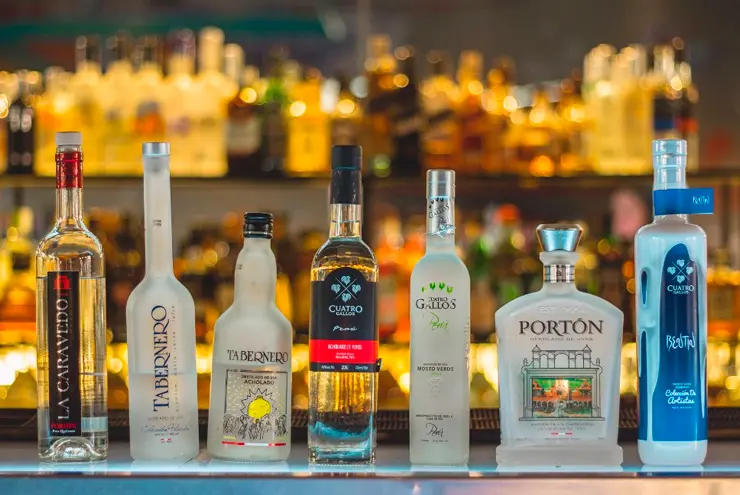
Pisco's character comes entirely from grape variety and fermentation method — there's no barrel aging to add flavor, so every difference you taste traces back to one of these four categories.
Puro
Made from a single non-aromatic grape variety, most often Quebranta — Peru's most widely planted pisco grape and the one historically used for the classic Pisco Sour. Clean, dry, and considered the most traditional expression of the spirit.
Aromático
Made from one of four aromatic grape varieties — Italia, Moscatel, Albilla, or Torontel — chosen specifically for the floral, perfumed character these grapes carry into the finished spirit.
Acholado
A blend of two or more grape varieties, aromatic and non-aromatic, combined either before fermentation or after distillation. The name comes from "acholar," reflecting the mixed heritage of the blend — arguably the most versatile style for cocktails, since it balances structure and aromatics.
Mosto Verde
Distilled from must whose fermentation was deliberately halted before completion, leaving residual sugar in the base wine. This produces a smoother, silkier texture and requires significantly more grapes per bottle, which is why Mosto Verde piscos are typically priced higher than the other three styles.
Peru vs. Chile: The Pisco Naming Dispute, Explained Fairly
This is a real, currently unresolved dispute between two governments, not a settled fact with one correct answer — so here's both sides plainly.
| Feature | Peru's position | Chile's position |
|---|---|---|
| Historical claim | Points to the colonial port town of Pisco and 16th-century production records as evidence of naming and production priority | Points to its own centuries-long production history and a formal 1931 decree renaming a town "La Unión" to "Pisco Elqui" to anchor the name domestically |
| Current production volume | Smaller producer | Larger current producer and exporter globally |
| Water after distillation | Prohibited by regulation | Permitted — Chilean pisco can be diluted with water after distillation |
| Barrel aging | Prohibited | Permitted for some Chilean styles |
| Recognized regions | Lima, Ica, Arequipa, Moquegua, Tacna | Atacama and Coquimbo regions |
Both countries maintain real, government-recognized denominations of origin for their own version of the spirit — this isn't a case of one country being "right" and the other fabricating a claim. It's a genuine trade and heritage dispute, similar in shape to other geographic-name conflicts around the world, and it remains a point of national pride on both sides of the border.
How to Drink It: The Pisco Sour, Done Properly
The Pisco Sour is widely credited to Victor Morris, an American bartender who opened a bar in Lima and adapted the classic whiskey sour format using pisco, sometime around 1916. It spread through Lima's bar scene after his bar closed and remains, alongside ceviche, one of the two dishes/drinks most associated with Peru internationally.
| Step | What to do |
|---|---|
| 1. Dry shake | Combine 2 oz pisco, 1 oz fresh lime juice, 0.75 oz simple syrup, and 1 egg white in a shaker without ice; shake ~15 seconds to emulsify |
| 2. Wet shake | Add ice, shake again 15–20 seconds until well chilled |
| 3. Strain | Double-strain into a chilled coupe or sour glass to remove ice shards |
| 4. Garnish | 3–4 drops of Angostura bitters on the foam — traditionally drawn into a simple pattern |
For a lighter, lower-effort option, order a Chilcano instead — pisco, ginger ale, and a squeeze of lime over ice, closer to a highball than a cocktail, and popular as an everyday drink rather than a special-occasion one.
Where to Taste It: From Bodega to Grand Hotel
Pisco tasting genuinely spans every price point in Peru, and each tier offers a different kind of experience.
Working bodegas — Ica Valley
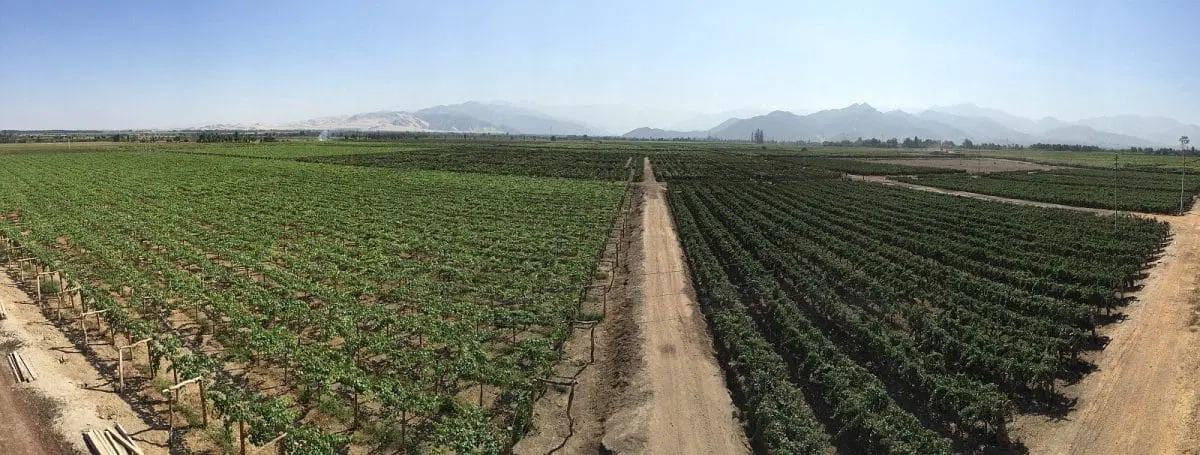
The most authentic and typically most affordable way to taste pisco is at a working bodega in the Ica Valley, where you can see the actual pot-still distillation process (traditionally called an alambique) and taste directly from the producer. Vineyards like those in the Ica region grow the Quebranta grape used in most classic Puro piscos.
Historic Lima institutions
The Gran Hotel Bolívar, a historic five-star hotel on Lima's Plaza San Martín, has served its own "Pisco Sour Catedral" recipe since the first half of the 20th century — you don't need to be a hotel guest to order one at the bar. Bar Inglés at the Country Club Lima Hotel in San Isidro has poured pisco sours in the same elegant, old-world setting since 1927. Museo del Pisco, with locations in both Lima and Cusco, functions as part bar and part education stop, with bartenders talking through grape varieties and distillation methods as they pour.
Contemporary craft bars
Ayahuasca Restobar in Lima's Barranco district occupies a restored 1920s mansion and represents the more contemporary end of Lima's cocktail scene, with creative pisco sour variations alongside the classic recipe.

Pisco Tastings for Every Kind of Traveler
Couples often build a pisco tasting into an evening in Lima or Cusco as a low-key, romantic addition to a dinner reservation. Solo travelers will find Museo del Pisco's education-first format especially approachable, since the bartenders narrate as they pour rather than assuming prior knowledge. Families traveling with children should note Peru's legal drinking age is 18 — a bodega tour still works well as a family activity if framed around the vineyard and distillation process rather than the tasting itself, and most bodegas are used to non-drinking visitors. Groups of friends are the natural fit for a multi-stop pisco bar crawl in Lima, several of which exist as guided experiences.
Myth vs. Fact
- ✓ Pisco is basically the same thing as tequila or vodka.
- ✓ Chile's pisco claim is simply false marketing.
- ✓ All pisco tastes roughly the same regardless of type.
- ✓ Pisco is an unaged grape brandy, technically closer to cognac or grappa than to tequila (agave) or vodka (grain/potato).
- ✓ Chile holds its own real, government-recognized denomination of origin — this is a genuine unresolved dispute between two legitimate claims, not fabrication on either side.
- ✓ Puro, Aromático, Acholado, and Mosto Verde have genuinely distinct aromatic and textural profiles from different grapes and fermentation methods.
Add a Pisco Tasting to Your Trip
The Ica Valley and Paracas coast — Peru's pisco heartland — pair naturally with a Lima stopover. Here are a few ways to combine a pisco tasting with the region's other highlights. Scroll to see every option.

Glossary
Alambique: The traditional copper pot still used for distillation.
Mosto: Grape must — the pressed juice before or during fermentation.
Denominación de Origen: Spanish for "denomination of origin," the legal protection restricting the name "pisco" to specific regions and production rules.
Uvas pisqueras: The eight grape varieties officially authorized for pisco production.
Common Mistakes
Assuming all pisco is the same. The four types genuinely differ — ask what you're being served. Ordering a pisco sour in the wrong glass and not noticing. It's a small thing, but the classic coupe/sour glass and proper double-straining matter to the texture. Buying supermarket pisco expecting bodega quality. Mass-market bottles and small-producer bodega pisco can differ enormously — ask for recommendations rather than grabbing the first bottle you see. Taking a side in the Chile dispute as if it were settled. It genuinely isn't, on either side.
International Recognition
Pisco and the Pisco Sour have drawn international attention well beyond Peru's borders — 19th-century American writers Mark Twain and Rudyard Kipling were known fans of pisco punch when it was briefly fashionable in San Francisco, and the drink has since become a fixture on cocktail-competition circuits worldwide, with Peruvian bartenders regularly representing pisco at international spirits competitions.
Frequently Asked Questions — Peruvian Pisco
Pisco rewards a bit of curiosity — knowing the difference between a Puro and a Mosto Verde, understanding why Chile's claim isn't simply wrong, and knowing where to find a recipe with real history behind it turns a drink order into something closer to the cultural experience Peru actually intends it to be.
We'll build it into your itinerary.
