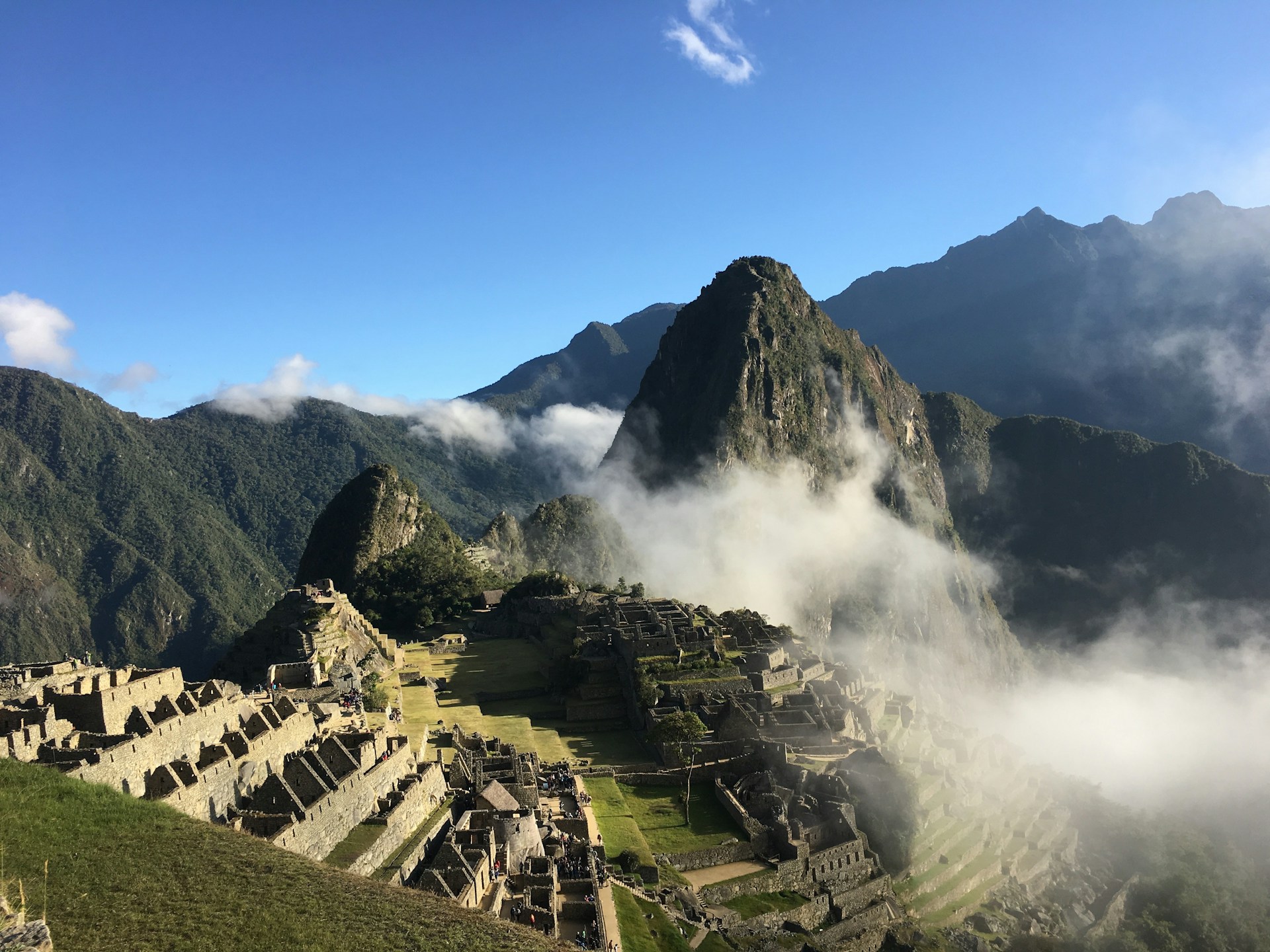
Seven days in Peru, done right, is enough to change how you see the world. Lima at sea level on Day 1. Cusco and its 3,400-metre altitude on Day 2. The Sacred Valley, Machu Picchu, Rainbow Mountain at 5,200m, Humantay Lake — all of it in a single week. This is the itinerary we have refined over hundreds of departures: sequenced for altitude, paced for humans, and built around the moments you will describe for the rest of your life.
Why This Itinerary — And Why the Sequence Matters
Most travellers arrive in Peru with a wishlist: Machu Picchu, Rainbow Mountain, the Sacred Valley, Cusco. The difficulty is not finding the things worth seeing — Peru has an embarrassment of those. The difficulty is sequencing them intelligently around the one variable that determines whether a 7-day trip is transcendent or miserable: altitude.
Cusco sits at 3,400 metres above sea level. Rainbow Mountain peaks at 5,200m. At those altitudes, your body is working significantly harder than it does at sea level — every breath delivers measurably less oxygen, and your cardiovascular system compensates by running faster and harder. If you land in Lima, fly to Cusco the same day and take a bus to Rainbow Mountain the next morning, you will almost certainly experience altitude sickness. This is not a hypothetical. We see it happen every season with travellers who planned their own itinerary without understanding the physiology.
This itinerary is sequenced specifically to prevent that. Lima at sea level on Day 1 gives your body one final night of full oxygen saturation before the altitude begins. Day 2 in Cusco is kept deliberately gentle — afternoon only, no strenuous activity. Day 3 drops to the Sacred Valley at 2,800m, which is actually lower than Cusco — a rare and valuable acclimatisation trick that most first-time visitors miss. By Day 4, when you board the train to Machu Picchu, you have had 48 hours of staged adaptation. By Day 5, when you face the Rainbow Mountain ridge at 5,200m, your body is genuinely ready.

The 7-Day Wonders of Peru Itinerary: Day by Day
What follows is not a highlights reel. It is the actual day-by-day plan — specific timings, honest assessments of what each day demands, what to eat, what to skip, and the details that make the difference between a good trip and the best trip of your life.
The last night at sea level — make it count
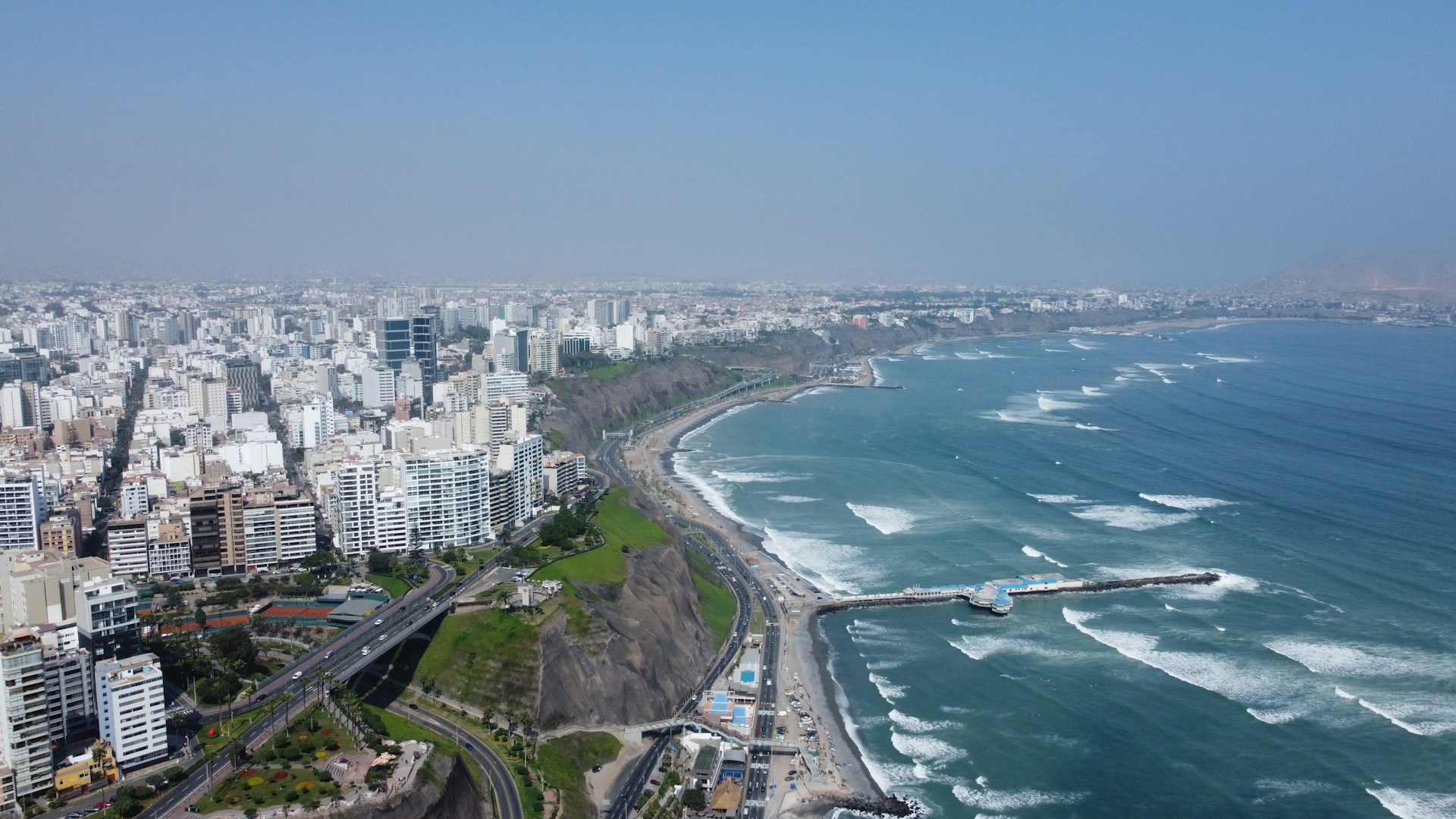
You land in Lima and your body is working at full oxygen capacity. This is the last time that will be true for six days. Use it well — not by cramming in every Lima attraction (there will not be time), but by arriving rested, eating extraordinarily well, and giving your mind the signal that the trip has begun.
Transfer from Jorge Chávez International Airport to Miraflores. This coastal district sits on cliffs above the Pacific Ocean and is Lima's finest neighbourhood for a first-time visitor — safe, walkable, full of world-class restaurants and with a clifftop boulevard called the Malecón that is one of the most beautiful evening walks in South America. Check in to your hotel and walk the Malecón at dusk — the Pacific light at this hour is extraordinary, and the walk takes less than 20 minutes.
Dinner matters tonight because at 3,400m tomorrow your appetite will be reduced. Lima has more top-50 restaurants per capita than almost any city on earth — you are eating in the world capital of ceviche, and the fish comes off boats this morning. Eat ceviche at a proper cevichería: La Mar in Miraflores or the more casual El Mercado nearby. If you arrive late, Central's sister restaurant Kjolle remains one of the finest fine-dining options in South America. Drink water, not alcohol — hydration before altitude matters.
Afternoon option for early arrivals: Larco Museum in Pueblo Libre holds the most significant collection of pre-Columbian gold in Peru, set in a converted 18th-century mansion surrounded by gardens. Allow 2 hours. The adjacent Café del Museo is worth the detour for lunch. For those who prefer the coast, the Larcomar clifftop mall at the end of the Malecón has an ocean terrace that catches the sunset perfectly.
Early to bed. Tomorrow is a 1-hour-15-minute flight that arrives at altitude and requires your full attention in the afternoon.
Arrival in Cusco — the altitude begins, the magic begins
Morning flight from Lima Jorge Chávez (LIM) to Alejandro Velasco Astete International Airport in Cusco (CUZ). The flight takes 1 hour 15 minutes and the transformation is immediate: you step off the plane at 3,310m and within minutes you will notice the air is thinner. Some people feel it immediately — a slight headache, a mild breathlessness climbing the airport stairs. This is normal. This is Day 2 working as designed.
Your guide will meet you at arrivals for the airport transfer. The drive to central Cusco takes 15–20 minutes. Go directly to your hotel and spend 30–45 minutes lying down before doing anything else. This is not optional. The first rest at altitude is when your body begins the acclimatisation process in earnest — fighting that process by immediately going for a walk delays it.
Afternoon — and the afternoon only — is for gentle exploration. Start at Qoricancha (the Temple of the Sun), the most important religious site in the Inca Empire. The Incas covered every interior wall in gold sheet — the Spanish stripped it and built Santo Domingo Convent directly on top of the Inca foundations, which you can see intact in the lower levels. The juxtaposition of colonial Spanish architecture rising from perfectly-fitted Inca stone is one of the defining images of Cusco. Allow 1.5 hours including the garden courtyard.
From Qoricancha walk uphill — gently, slowly — into the San Blas neighbourhood. This is the artists' quarter of Cusco: narrow cobbled streets, whitewashed walls, boutique workshops selling textiles and ceramics made on the premises. The Church of San Blas contains a carved wooden pulpit considered the finest example of colonial baroque woodcarving in the Americas. Walk the neighbourhood's main street, Cuesta San Blas, and turn into any of the side callejones — the smaller alleys contain the better craft workshops and quieter cafés.
Stop at San Pedro Market for coca tea. The market is Cusco's main produce market — chaotic, authentic, full of colour — and the coca tea stalls near the entrance serve the leaf infusion that local Andean tradition has used for altitude adaptation for centuries. Two cups in the afternoon, two before bed. It is not a cure for altitude sickness but it measurably reduces the symptoms. Avoid altitude medication unless you have discussed it with your doctor — we can advise on request.
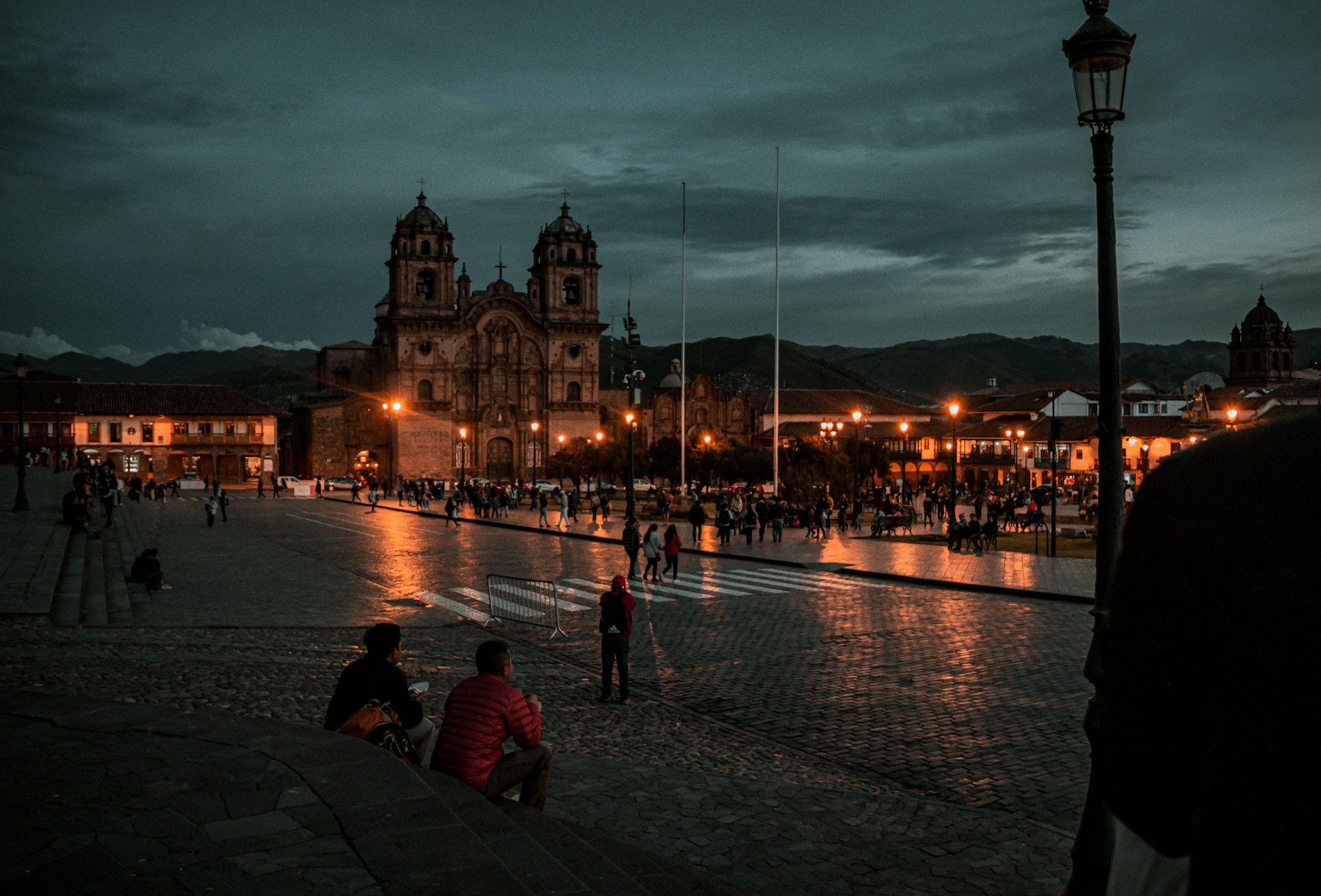
Dinner early — appetite will be reduced tonight, which is normal. Eat something light: quinoa soup is a local staple and easy on an altitude- affected stomach. Plaza de Armas is a 10-minute walk from San Blas and has several good mid-range restaurants on its arcaded perimeter. The square itself at night, lit from below with the Cathedral and La Compañía de Jesús glowing against the dark sky, is one of those views that makes you realise you are somewhere genuinely extraordinary.
In bed by 9 PM. Tomorrow is an early departure for the Sacred Valley.
The Sacred Valley — textiles, salt, terraces and fortress
The Sacred Valley of the Incas (Valle Sagrado) runs for approximately 60 km along the Urubamba River between Cusco and Machu Picchu. The valley floor sits at 2,800m — 600 metres lower than Cusco — which is why Day 3 here is not just the most beautiful day of acclimatisation, it is the most medically logical. Your body gets one more day at lower altitude before the strenuous activities of Days 4 and 5.
Departure from Cusco at 8 AM in a private vehicle with your guide. The drive to the first stop, Chinchero, takes 30 minutes on the high plateau above the valley — you will see the Andes opening in every direction, and on clear mornings the snow-capped summit of Chicon volcano above the valley is visible from the road.
Chinchero is a living Quechua village that doubles as one of the finest textile centres in the Andes. The cooperative of local weavers here demonstrates the full process from raw alpaca fleece — washing, natural dyeing with plants and minerals, spinning on a traditional drop spindle, and the backstrap loom weaving that has been unchanged since Inca times. This is not a tourist performance: these women are producing textiles that sell in Cusco's high-end galleries for significant prices. The quality of what you can buy directly from the weavers here — at a fraction of gallery prices — is exceptional. Allow 1.5 hours.
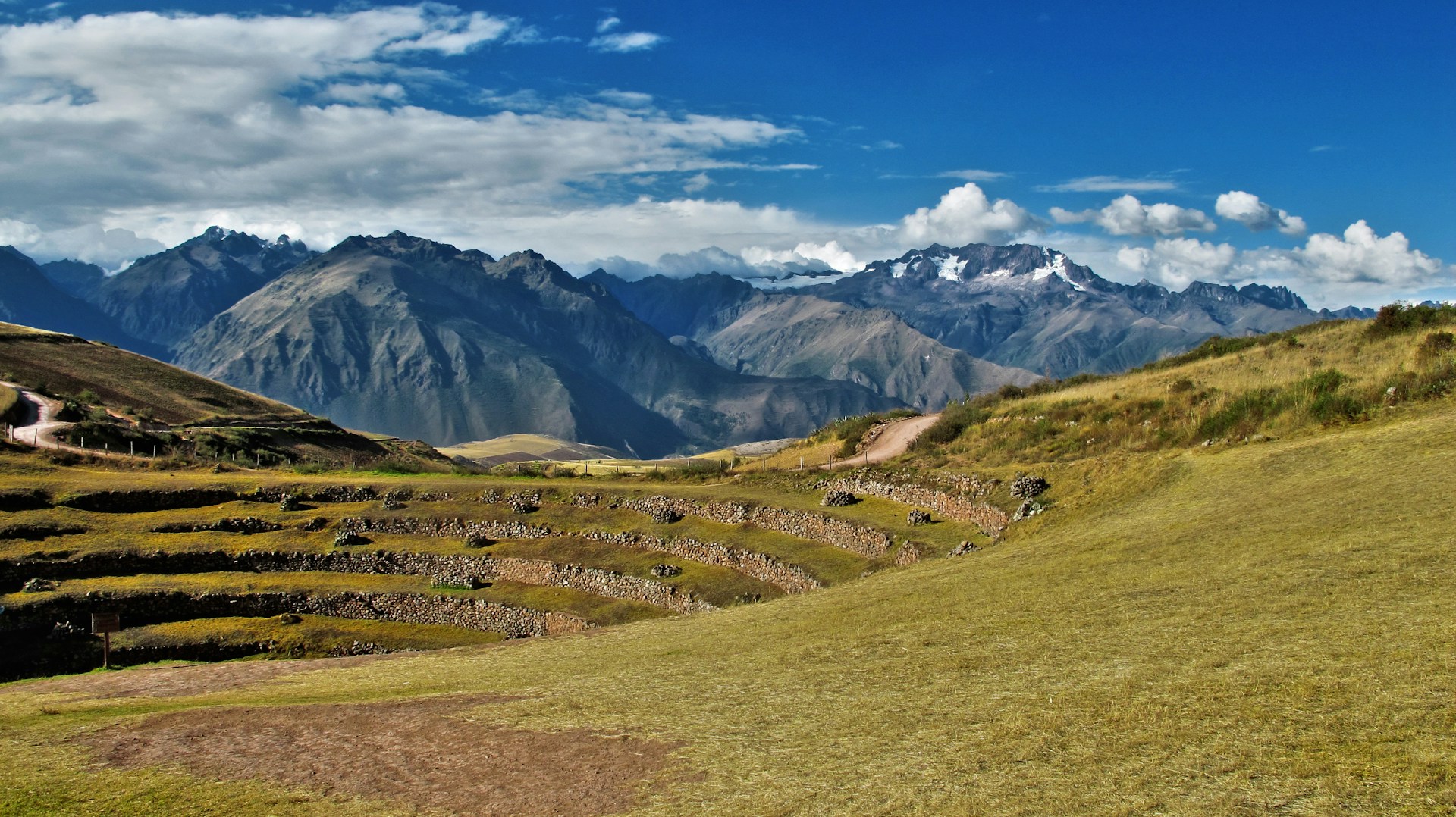
From Chinchero, drive 20 minutes to Moray: a set of circular agricultural terraces that descend into a natural depression in the earth. The Inca design created a series of microclimates — the temperature difference between the uppermost and lowest terrace is approximately 15°C — believed to function as an agricultural research station for testing which crops could grow at which elevations. The geometry is extraordinary: perfect concentric circles dropping into the earth, precisely engineered without any modern tools. Allow 45 minutes.
Fifteen minutes from Moray, the Maras Salt Ponds (Salineras de Maras) comprise over 3,000 individual salt evaporation pools cascading down a hillside above the Sacred Valley. A natural salt spring feeds the entire system — the same spring the Incas used 600 years ago. The pools are still owned and worked by local families, each responsible for a small number of plots. In dry season (May–October) the terraces are a blinding white; in wet season the water is pink and red from algae. Either way, the sight from the viewpoint above is one of the most dramatic in the valley. Allow 45 minutes, including a walk down to the lowest level.
Buffet lunch at a valley restaurant — typically at Urubamba town. The Sacred Valley lunch buffets are a genuine highlight: extensive Andean cuisine including cuy (guinea pig, a delicacy), alpaca steak, quinoa preparations, ceviche, multiple potato varieties (Peru has over 3,000) and the fermented maize drink chicha. Take your time. This is the most relaxed meal of the week.
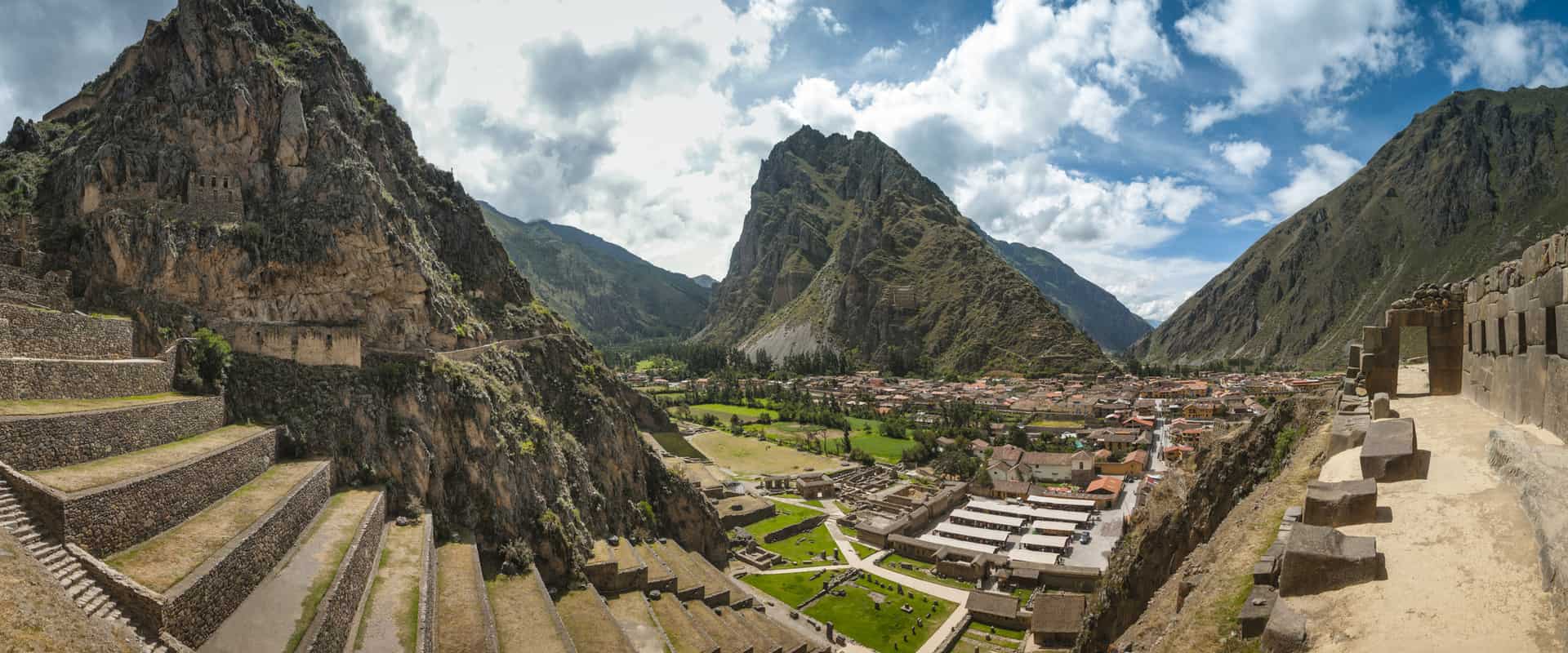
Afternoon: Ollantaytambo fortress. The most complete Inca military and religious site in the Sacred Valley, Ollantaytambo rises in massive terraces above the town it has protected for six centuries. The site is notable for two things: first, its scale — the terraces are enormous, built from stones quarried across the valley and transported across the Urubamba River without wheels or iron tools; second, it is one of the very few sites where the Incas actually defeated the Spanish in battle (1537). The town below the fortress is one of the only remaining examples of intact Inca urban planning — the street grid, the water channels, and even some of the walls are original. Allow 2 hours at the site.
Return to Cusco by 7 PM. Tonight, a proper dinner — your appetite should be significantly better than last night. Marcelo Batata near Plaza de Armas is excellent. Early to bed: tomorrow is Machu Picchu day.
Machu Picchu — before the crowds, inside the citadel
Day 4 is why you came to Peru. Everything that has come before — the altitude management, the Sacred Valley, the early nights — was preparation for this. Today you see Machu Picchu.
Departure from Cusco or Ollantaytambo by train. Most departures use Ollantaytambo station (90 minutes from Cusco by road) for the Peru Rail or Inca Rail service to Aguas Calientes — the journey takes approximately 1.5 hours through cloud forest that drops progressively from 2,800m to 2,000m. The scenery from the train window is extraordinary: the valley narrows, the vegetation thickens, orchids appear on the cliff faces, and the Urubamba River crashes white alongside the track. For the final 30 minutes the train rides directly through primary cloud forest with the canyon walls rising vertically on both sides. This is not a utilitarian transfer. This is part of the experience.
Arrive at Aguas Calientes (also called Machu Picchu Pueblo). Bus from the town up the switchback road to the citadel entrance takes 25 minutes. Your guide has timed entry to arrive as close to the opening hour as possible. This timing is deliberate and important: Machu Picchu's peak congestion occurs between 10 AM and 2 PM. The first hour of opening — typically 6 AM for Circuit 1 — is when the site is at its quietest and most extraordinary. The mist that sits in the valley at dawn lifts slowly, revealing the ruins incrementally. On clear mornings this is one of the most beautiful natural phenomena you will ever witness.
The guided circuit tour takes approximately 2.5 hours. Your bilingual guide covers the major sectors: the Agricultural Zone (terraces visible from the classic postcard view), the Urban Sector (the Temple of the Sun, the Intihuatana stone, the Three Windows), and the Royal Sector. The guide's knowledge of the site's engineering, astronomy and social function transforms what would otherwise be impressive ruins into a comprehensible civilisation. Allow an additional 45–60 minutes after the guided portion to explore at your own pace, revisit preferred sections, and take photographs without other visitors in frame.
Lunch in Aguas Calientes after returning by bus. The town is small and not particularly attractive but it has several good lunch restaurants — Indio Feliz has been a reliable local favourite for decades. Afternoon train back to Ollantaytambo, road transfer to Cusco. Hotel by 9 PM — aim for 9:30 PM if the train is on schedule. Tomorrow requires a 3:45 AM alarm.

Rainbow Mountain Vinicunca + Red Valley — the day you describe for years
Alarm at 3:45 AM. This is not a misprint. Rainbow Mountain — Vinicunca in Quechua — is a 5,200-metre ridge in the Ausangate range south of Cusco, and reaching it in optimal conditions (before cloud rolls in, before the tour groups arrive from Cusco) requires an early start that most people initially resist and subsequently thank us for.
Departure from Cusco at approximately 4:15 AM by vehicle. The drive takes 3 hours on a combination of highway and rough mountain road to the trailhead at Quesoyuni at approximately 4,600m. En route, breakfast is served at a way-point restaurant — typically at Checacupe town around 5:30 AM. The landscape transforms progressively as the vehicle climbs: Cusco's colonial rooftops give way to open puna grassland, then to high-altitude bofedales (wetlands) filled with alpaca and the occasional vicuña.
The hike from the trailhead to the Rainbow Mountain summit ridge is 6 km with 600m of elevation gain — a steady uphill on a well-maintained path at altitude above 4,600m. This is where the three days of acclimatisation pay off directly. Those who have followed this sequence arrive at the trailhead with bodies that have adapted meaningfully to altitude. Those who arrive in Peru and head straight to Rainbow Mountain without acclimatisation often do not reach the top. We see this regularly.
The summit of the Rainbow Mountain ridge at 5,200m is the highest point in this itinerary. The mountain takes its name from its extraordinary colouring: layers of red, yellow, green, purple and white mineral sediments visible in bands across the hillside. The colours are caused by the weathering of different mineral compounds — red from iron oxide, yellow from sulphur, green from copper sulphate, white from quartz and chalk. The visual effect, particularly in morning light before cloud builds, is unlike anything in Peru or indeed anywhere else on earth.
From the summit ridge, the itinerary continues into the Red Valley — a descent into the valley floor below the main ridge that most Rainbow Mountain day-trips skip because of time. The Red Valley offers the reverse perspective of the mountain plus the extraordinary sight of the valley floor at 4,800m framed by red mineral hillsides. The traverse down and back adds approximately 3 km and 1.5 hours but is the experience that elevates this from a difficult hike to an unforgettable day.
Return to the trailhead in the early afternoon, lunch at the way-point restaurant, road transfer back to Cusco arriving by 6–7 PM. Tonight you will sleep quickly and completely.
A note on horses: Horse rental is available at the trailhead and at several points along the trail. This is not cheating — at 4,600–5,200m, horse assistance is a practical option that allows people with knee problems, recent injuries or unexpected altitude responses to reach the summit and have the full experience. If you are uncertain whether you can complete the ascent, plan to have horses as a backup option. We can arrange this in advance.

The rest day or Alternative hike to Humantay Lake
Day 6 is the day that most travellers skip. Seven days feels tight. There are still things to do. Why rest? This is the question we answer before every departure.
After Day 4 (Machu Picchu — a long travel day involving early starts, altitude, trains and buses) and Day 5 (Rainbow Mountain at 5,200m with a 3:45 AM alarm and 12+ hours of travel), your body has been running hard at altitude for two consecutive demanding days. Altitude recovery is not like sea-level recovery — it is slower, less complete overnight, and cumulative fatigue at high elevation has meaningful health implications including dehydration, elevated heart rate and depressed immune function. Day 6 exists to let your body catch up before the final morning and your flight home.
But an active rest day in Cusco is not a wasted day. Cusco is a UNESCO World Heritage Site with more to offer than a single rushed afternoon. Day 6 is your opportunity to see it properly.
Morning: Return to San Blas at your own pace. Day 2's afternoon was rushed — today you have time. The neighbourhood's best workshops open at 9 AM: look for the Galería Tatoo (ceramics by hand, no moulds), the weavers' cooperative on Plazoleta San Blas, and Taller Olave for the finest religious woodcarving in the city. The Church of San Blas is worth 20 minutes of quiet time — the Baroque pulpit carved from a single cedarwood trunk by an anonymous craftsman in the 17th century is one of the finest pieces of colonial art in the Americas.
Midday: Lunch at Mercado San Pedro or at one of the restaurants on the callejones behind the market. Limo restaurant on Calle Santa Catalina Angosta does the finest tiradito in Cusco — a Lima-style preparation between ceviche and sashimi that reflects Peru's Japanese immigrant heritage. Or simply buy roasted corn and cheese from the market stalls and eat on the steps of the Cathedral.
Afternoon options: The Sacsayhuamán fortress sits on the hill directly above Cusco — 20 minutes walk from the Plaza de Armas — and contains some of the most extraordinary examples of Inca stone fitting anywhere. The largest stones weigh over 120 tonnes and were transported from a quarry several kilometres away without wheeled vehicles or iron tools. The site is included in the Boleto Turístico (tourist circuit pass) and takes 1.5–2 hours. Alternatively, the Museum of Pre-Columbian Art (MAC) on Plazoleta Nazarenas houses a superb collection of artefacts from across Peru's pre-Columbian cultures in a beautifully converted pre-Inca palace. It is one of Cusco's best and least-crowded museums.
Evening: Your last night in Peru. Make it a proper dinner. Chicha restaurant on Regocijo (Gastón Acurio's Cusco address) is consistently the best restaurant in the city — Andean ingredients elevated to fine-dining without losing their identity. Alternatively, MAP Café inside the Pre-Columbian Art Museum courtyard is extraordinary for special occasions. This is the night for the pisco sour you have been avoiding since Lima.
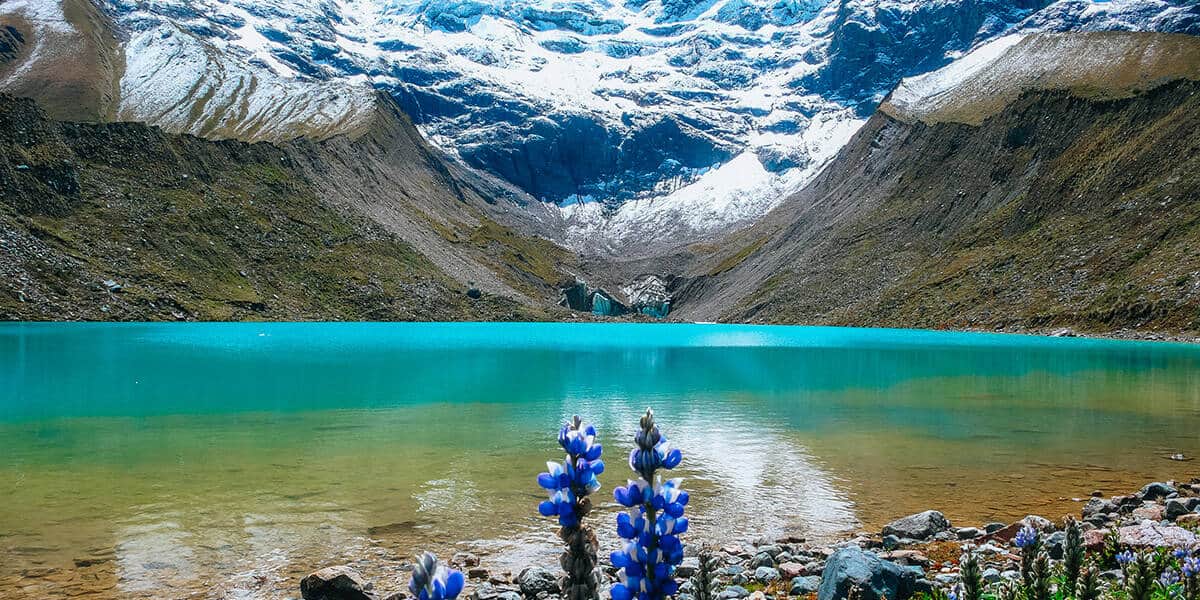
Optional: Humantay Lake Hike: Your last day in Cusco! If you feel like going the extra mile with a challenge, The fantastic Humantay lake hike will complete the full Cusco outdoors inmmersion. Getting into contact with sacred mountains and glaciars in an epic day filled with spirituality, pristine nature and amazing food.
Last morning free — then onward to continue your journey
The final morning is yours. Cusco's Plaza de Armas at 7 AM — before the tour groups arrive, with the Cathedral lit from the side by early sun — is one of those views you want the last memory of the trip to be. Walk to your favourite café for breakfast and sit with it.
If your flight departs before noon: transfer to Alejandro Velasco Astete Airport (CUZ) typically takes 15–20 minutes from Miraflores area hotels. Allow 2 hours before departure. Note that Cusco airport is a high-altitude airport and ground operations sometimes run differently to sea-level airports — give yourself time.
If your flight departs in the afternoon: consider a final visit to the Coricancha garden for 30 minutes — the garden courtyard, often missed in the rush on Day 2, is peaceful in the morning light — or simply sit in the Plaza de Armas with coffee and watch Cusco wake up. There is no better use of a final hour in this city.
Most international connections route Lima → hub city. You will arrive back at Jorge Chávez International, clear domestic immigration and transfer to the international terminal for your onward flight. Allow at least 3 hours in Lima for international connections — the airport is manageable but immigration queues can be slow.
This Itinerary vs. Common Alternatives: The Honest Comparison
The 7-day Wonders of Peru itinerary is the most popular route we offer — but it is not the only option. Here is how it compares to the most common alternatives we are asked about, and who each version is right for.
| Feature | Wonders of Peru 7 Days | Cusco & Inca Trail 7 Days | Cusco & MachuPicchu Express 5 Days |
|---|---|---|---|
| Lima included | ✓ Yes — Day 1 | ✓ Yes — Day 1 | No — fly direct to Cusco |
| Sacred Valley | ✓ Full day — 4 sites | Partial — Ollantaytambo only | Half day optional |
| Machu Picchu | ✓ Full day by train | ✓ Sun Gate arrival Day 7 | ✓ Full day by train |
| Rainbow Mountain | ✓ Day 5 — 5,200m full day | No — replaced by Inca Trail | No — insufficient acclimatisation |
| Inca Trail ruins | No (train to Machu Picchu) | ✓ Wiñay Wayna, Sayacmarca etc. | No |
| Physical demand | Moderate–Challenging | Challenging (Dead Woman's Pass) | Easy–Moderate |
| Acclimatisation quality | ✓ Well-staged (3 days) | ✓ Well-staged (trail itself) | Borderline — tight |
| Highest altitude reached | 5,200m — Rainbow Mountain | 4,215m — Dead Woman's Pass | 3,400m — Cusco |
| Best for | First-timers who want everything | Hikers who want the trail experience | Limited time, lower fitness |
| Price with Kontiki | From $1,290 pp | From $1,490 pp | From $890 pp |
What You Are Actually Seeing: A Deeper Look at Each Stop
This itinerary covers six distinct destinations in seven days. Here is what each one is, why it matters, and what most travellers miss about it.
Lima — more than a stopover
Lima is chronically underestimated by travellers who see it as a transit hub between their international flight and Cusco. This is a mistake, even on a 7-day itinerary. The single evening in Miraflores gives you enough time to understand why Lima is one of South America's most sophisticated cities: the clifftop ocean setting, the ceviche culture that has produced more internationally recognised chefs per capita than almost any city on earth, and the layered history of a capital that was the seat of Spanish colonial power in the Americas for 300 years. One evening is a tasting — it will make you want to return.
Cusco — the navel of the Inca world
Cusco (Qosqo in Quechua — "navel" or "centre") was the capital of the Inca Empire at its largest extent, which ran from modern-day Colombia to Chile. The city was redesigned by Pachacuti in the 15th century in the shape of a puma, with Sacsayhuamán as the head and the confluence of the Saphi and Chunchulmayo rivers as the tail. The Spanish built their colonial city directly on top of the Inca one — which is why the walls of Inca buildings can be seen at the base of colonial churches and mansions throughout the historic centre. The result is a city that is simultaneously European Baroque and Andean pre-Columbian, and navigating that juxtaposition is what makes Cusco endlessly fascinating.
The Sacred Valley — the Inca breadbasket
The Sacred Valley was the agricultural and ceremonial heartland of the Inca Empire — its lower altitude made it warmer and more productive than Cusco, and its position along the Urubamba River made it the natural corridor between the highlands and the Amazon. Chinchero, Moray, Maras and Ollantaytambo each represent a different dimension of how the Inca Empire functioned: textile production, agricultural science, salt extraction and military organisation. Together, in a single day, they provide a more complete understanding of the Inca world than any museum could.
Machu Picchu — what most visitors miss
Machu Picchu was built in the mid-15th century, likely as a royal estate and religious retreat for the Inca ruler Pachacuti. It was abandoned — probably during the Spanish conquest — within a century of its construction and remained unknown outside Quechua oral tradition until 1911. The site covers approximately 80 hectares and contains over 150 buildings across two main zones: agricultural (terraces) and urban (temples, palaces, residential quarters). What most visitors miss: the site's relationship to the surrounding mountains. Huayna Picchu and Machu Picchu mountain are not just backdrop — they are part of the site's astronomical and ceremonial design. The Intihuatana stone ("hitching post of the sun") aligns with the June solstice sunrise precisely. None of this is visible without a knowledgeable guide.
Rainbow Mountain — geology made visual
Vinicunca was buried under glacial ice until as recently as 2015, when climate change retreated the glacier sufficiently to expose the mineral striations beneath. It became known to the outside world almost overnight — the first tourist visit was recorded in 2015 and within 3 years it was receiving thousands of visitors per week. The geological process that created its colours took millions of years: layers of sedimentary rock with different mineral compositions, folded and uplifted by tectonic activity, then exposed by glacial retreat. It is one of the most vivid examples of geology made immediately, viscerally visible. And at 5,200m it remains one of the most demanding day hikes in the Andes for those without acclimatisation.
Humantay Lake — the glacial reward
Humantay Lake sits in a glacial cirque at 4,200m below the Humantay mountain in the Salkantay range. The lake's colour — a milky turquoise that shifts to deep jade depending on light and season — comes from glacial rock flour suspended in the water from the glacier above. The hike from the road (Mollepata area) takes 1–1.5 hours with 300–400m of gain and is moderate in terms of gradient. What makes it extraordinary is the setting: the lake fills the entire floor of the cirque, backed by the glacier and framed by peaks on three sides. On a clear morning the reflection of Humantay mountain in the lake surface is perfect. When combined with the Rainbow Mountain day as the return route descends toward the Salkantay region, Humantay adds approximately 2 hours to Day 5 but transforms it into one of the most complete alpine days in the Andes.
Practical Planning: The Details That Determine the Trip
The difference between a 7-day Peru trip that goes smoothly and one that doesn't usually comes down to a handful of logistical details. Here is what our guides have learned from hundreds of departures.
Kontiki Hikes handles all booking logistics as part of our tours. You receive a single itinerary document with all confirmations, timings and local guide contacts before departure.
Flights within Peru
The Lima–Cusco flight is operated by LATAM, Sky Airline and Star Peru. LATAM has the most reliable schedule and the largest aircraft; Sky often offers the best price. Book at least 8 weeks ahead for June–August departures — Lima–Cusco is one of the busiest domestic routes in South America. Morning flights are more reliable in terms of weather delays. Afternoon flights to Cusco occasionally encounter cloud conditions over the Andes.
Cusco airport (CUZ) sits at 3,310m and has a single runway. High-altitude operations mean maximum aircraft weight is lower than sea-level airports — this occasionally causes baggage restrictions on busy days. Check your airline's specific luggage allowances. Most domestic Peruvian flights allow one cabin bag (8kg) and one checked bag (23kg) — confirm this at booking.
When to go — the honest seasonal guide
May to October (dry season) is the classic high season. The Andes are largely dry, skies are clear, Rainbow Mountain's colours are at their most vivid, and Machu Picchu's mornings are reliably clear for the first circuit tour. The trade-off: higher prices, more visitors, and Machu Picchu at its busiest. June–August is peak within the dry season.
November to April (wet season) brings afternoon rain most days, which can cloud Rainbow Mountain by midday and make the Maras salt ponds more complex to photograph. However: lower prices, fewer visitors, extraordinary green landscape in the Sacred Valley, and the Machu Picchu mist effects in wet season are genuinely spectacular. The wet season is underrated.
Our honest recommendation: April, May, September and October are the optimal months — late dry season shoulder periods with lower crowds than June–August, reliable weather, and the Sacred Valley in its best condition. If you have flexibility, avoid July and August: they are the most expensive and most crowded months on both the Inca Trail and Rainbow Mountain.
Packing for altitude — the specific list
Most travellers pack for Machu Picchu but forget Rainbow Mountain. These are very different environments. Machu Picchu at 2,430m in dry season can reach 25°C by midday. Rainbow Mountain at 5,200m at 7 AM can be near 0°C. The same day bag that serves Day 4 must serve Day 5 with significantly different contents.
Every day: Sunscreen SPF 50+ (UV at altitude is severe and most travellers underestimate it), lip balm with SPF, 2L water minimum, high-calorie snacks, rain jacket (layers always). Day 5 specifically: Thermal base layer, mid-layer fleece, waterproof shell, gloves, warm hat, trekking poles, gaiters optional but useful in wet conditions. General: Altitude affects appetite — carry snacks even if you do not feel hungry at sea level. Digestive biscuits, nuts and dried fruit are ideal at altitude.
How to Book This Itinerary with Kontiki Hikes
- You want Peru's greatest highlights in one efficient week
- This is your first trip to Peru and you want to see everything
- You are reasonably fit and open to challenging days at altitude
- You want to reach Rainbow Mountain at 5,200m
- You prefer having all logistics handled — trains, tickets, transfers
- Couples, families and small groups all suit this format
- You want to arrive at Machu Picchu through the Sun Gate on the trail
- The 4-day Classic Inca Trail replaces Days 3–6 of the base itinerary
- You walk Chinchero and Moray on Day 3 before the trail starts on Day 4
- Dead Woman's Pass on Day 5, Machu Picchu Sun Gate on Day 7
- Rainbow Mountain can be added as a pre-trail day in Cusco
- For those who want to earn every step of the Machu Picchu approach
You handle the wonder.

