Short answer: without a written language, the Inca Empire still managed to administer millions of people, track vast tribute and census records, and coordinate a road network spanning six modern countries — all using knotted cords called quipus. This guide covers how they actually worked, who used them, how they were nearly lost after the Spanish conquest, and the genuine scholarly debate over whether they recorded more than just numbers.
How a Quipu Actually Worked
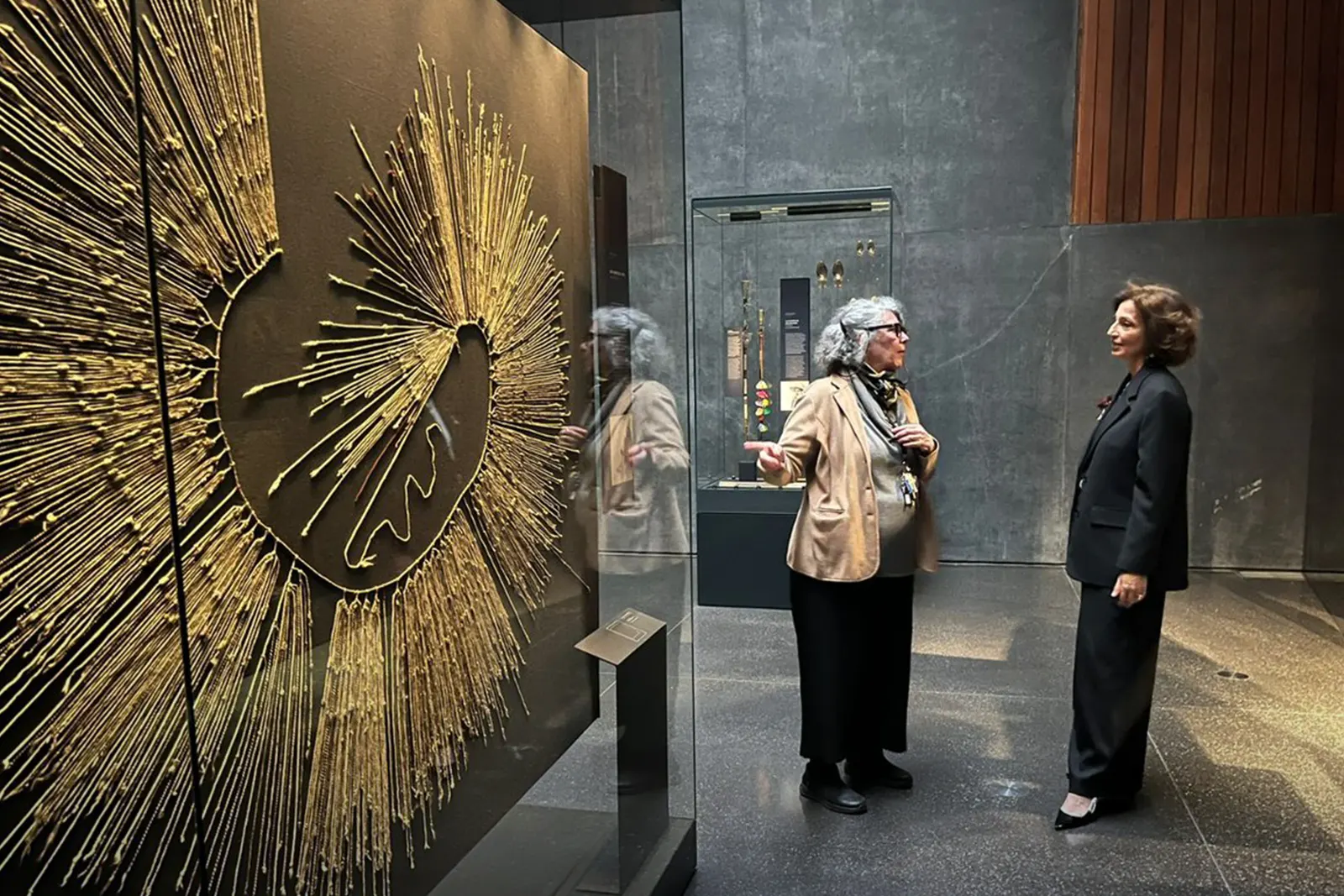
A quipu consists of a main horizontal cord with numerous pendant cords hanging from it, each tied with a sequence of knots at different heights along its length. The type of knot and its position encoded specific digits in a decimal (base-10) system — a cluster of knots near the bottom of a cord represented units, higher clusters represented tens, hundreds, and so on, functioning much like a physical positional number system similar in principle to how modern place-value numbers work. Researchers have identified at least three distinct knot types used to represent different digit values, tied with enough consistency across surviving examples that the numerical system is now reasonably well understood.
Cord color, the way cords were grouped and attached to the main cord, and even the direction of twist in the cord itself likely added further layers of categorization — separating, for example, records of maize from records of livestock or labor. Some quipus feature secondary and even tertiary pendant cords branching off primary ones, suggesting a genuinely hierarchical data structure, not unlike a modern spreadsheet with nested categories.

- Khipu
- — alternate spelling of quipu, closer to the original Quechua term.
- Quipucamayoc
- — a trained specialist responsible for creating and interpreting quipus.
- Pendant cord
- — a secondary cord attached to the main cord, carrying its own knot sequence.
- Positional system
- — a number system where a digit's position determines its value, as in the modern decimal system.
Who Used Quipus, and What For
Quipus were made and read by trained specialists called quipucamayocs, who served the Inca administration much like professional accountants and archivists, and who typically underwent years of specialized training to master the system's conventions. They tracked census data, tribute owed by each province, storehouse inventories, calendar and ritual dates, and military logistics — the practical backbone of running an empire spanning thousands of kilometers without a centralized paper bureaucracy. This system connects directly to the broader administrative structure of Tahuantinsuyu, where labor and resources were tracked and allocated across four regions from Cusco.
Some Spanish colonial chroniclers, notably Felipe Guaman Poma de Ayala, documented interviews with surviving quipucamayocs in the decades after the conquest, providing valuable — if incomplete — insight into how the system functioned before its practical use faded.
Colonial Destruction & Modern Research
A significant number of quipus were destroyed in the decades following the Spanish conquest, both incidentally through the collapse of the administrative systems that relied on them and deliberately, as colonial and religious authorities came to view quipus with suspicion — some were burned as suspected pagan or idolatrous objects, particularly during campaigns to suppress indigenous religious practices in the late 16th and 17th centuries. This is part of why surviving examples, numbering only a few hundred in collections worldwide today, are treated as genuinely precious research material rather than mere curiosities.
Modern quipu research accelerated significantly in the 20th and 21st centuries, aided by improved statistical analysis of knot patterns and, more recently, by researchers cross-referencing quipus against Spanish colonial census documents from the same regions — a method that has helped confirm the numerical decoding system and offered tantalizing hints, though not proof, that some quipus may have encoded more complex information than numbers alone.
| Myth | Fact |
|---|---|
| The quipu was just a primitive counting tool | It was a sophisticated administrative technology capable of representing complex, categorized numerical data across an empire of millions. |
| All quipus have been fully decoded | Numerical quipus are reasonably well understood; whether some encoded narrative information remains a genuinely unresolved research question. |
| Quipus disappeared immediately after the conquest | Some quipu traditions persisted in Andean communities for generations, in limited or ceremonial forms, even after their administrative use ended. |
Our team can point you to where to see it in person.
Conclusion
The quipu remains one of the most remarkable technologies the Inca Empire developed — a fully functional record-keeping system built without paper, ink, or a written alphabet, precise enough to help run an empire of millions, and resilient enough that researchers are still actively decoding its full potential centuries later. Whether it turns out to have encoded more than numbers is still an open question worth watching as research continues.
Want to understand more of the empire that built this system? See our full Inca Empire history guide.