Pink River Dolphins: Where to See the Amazon's Rarest Wildlife
By Kontiki Hikes·Local Cusco Team·10 min read·Updated August 2026
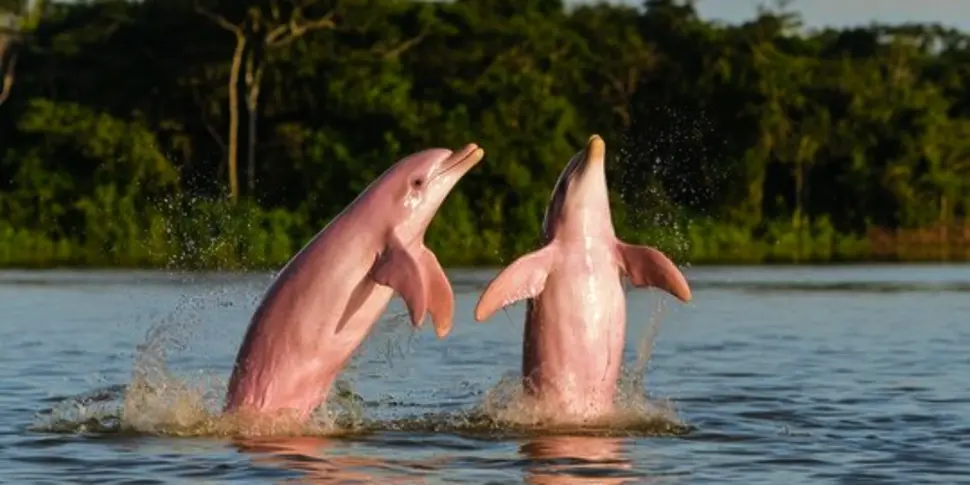
The pink river dolphin (or boto) is the world's largest river dolphin species, found in the Amazon basin including Peru's rivers, known for its distinctive pink coloration and gaining rarity due to habitat pressure and declining populations.
Short answer: pink river dolphins are one of the most genuinely surprising sights in the Peruvian Amazon — a real, wild species, not a myth or a tourist gimmick, though sightings require the right location and a bit of patience. This guide covers why they're pink, where to actually find them in Peru, and the conservation reality behind this increasingly rare animal.
Key takeaways
They're the largest river dolphin speciesAdults typically reach 2-2.5 meters in length.
Pink coloration comes from blood vessels near the skinColor intensifies with age and activity — younger dolphins are greyer.
They're classified as endangeredHabitat disruption and historical hunting pressures have driven population declines.
Tambopata and Madre de Dios offer the best oddsBoth river systems near Puerto Maldonado are well-known viewing areas.
Responsible viewing means no direct contactReputable operators prioritize boat-based observation over swimming encounters.
2-2.5m
Typical adult body length
#1
Largest species of river dolphin in the world
Endangered
Current conservation status
Boto
Common regional name for the species
Why Are They Pink?
The pink coloration comes from blood vessels sitting close to the surface of the dolphin's skin, a trait that becomes more pronounced with age, physical activity, and even, some researchers suggest, mood or excitement during social interaction. Younger pink river dolphins are typically born grey and gradually develop their signature pink hue as they mature — meaning the palest, greyest individuals you might spot are usually juveniles.
How to use this guide
The science behind the color first, then exactly where to look in Peru, then the conservation picture worth knowing before you go.
Where to See Pink River Dolphins in Peru
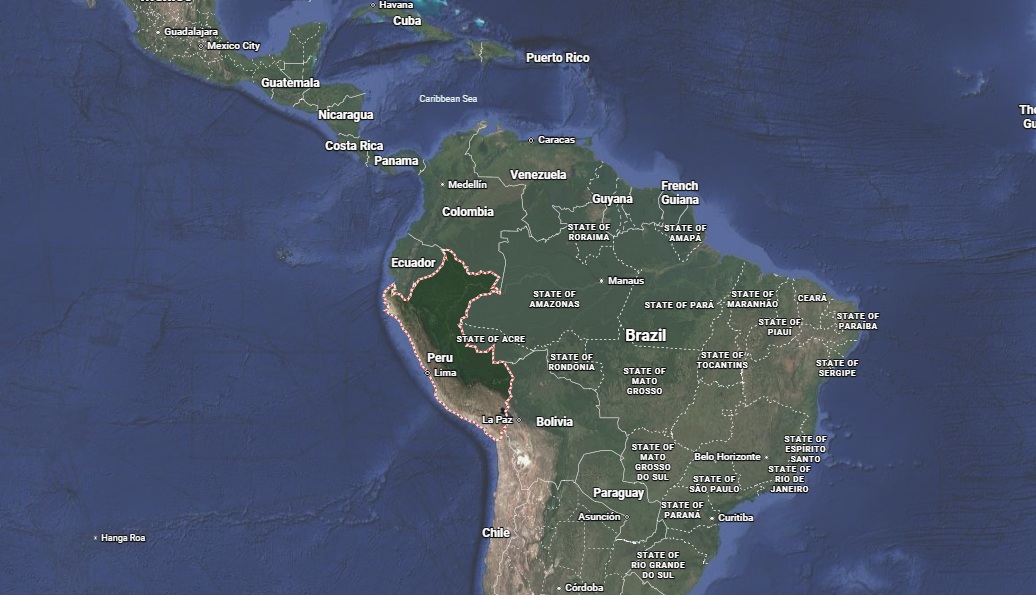
The Tambopata and Madre de Dios river systems near Puerto Maldonado are among the most reliable viewing areas in the Peruvian Amazon, along with parts of Manu National Park. Dolphins are typically spotted from boats during river excursions, often alongside other wildlife — see our broader Amazon animals guide for the full picture of what else to expect on a jungle trip.
From our local team
"Sightings are genuinely more common than people expect once you're on the right stretch of river — but we always tell travelers to watch from the boat rather than seek out swimming encounters. It's better for the dolphins and it's still an unforgettable sight either way."
Conservation Status
Pink river dolphins are classified as endangered, with population pressures coming from habitat disruption, pollution, and, in parts of the wider Amazon basin, historical hunting for use as fish bait — a practice that has drawn international conservation attention in recent years. Responsible tourism plays a genuine role here: operators who prioritize distant, boat-based observation over direct contact help reduce stress on wild populations, and choosing operators with that approach is a meaningful way travelers can support conservation.
Are pink river dolphins related to ocean dolphins?
They're a distinct freshwater species, evolutionarily separate from marine dolphins, adapted specifically to river life.
Do pink river dolphins have good eyesight?
Their eyesight is relatively poor compared to marine dolphins; they rely heavily on echolocation to navigate murky river water.
Conclusion
Pink river dolphins are a genuine highlight of any Amazon trip in Peru — rare, real, and increasingly a symbol of the conservation challenges facing the wider rainforest. Choose responsible operators, watch from a respectful distance, and treat any sighting as the genuine privilege it is.
Local Cusco Guides · Sacred Valley, Cusco · Since 2018
Written by our local Cusco team, who help travelers plan Amazon extensions from Cusco regularly. Licensed by the Peru Ministry of Tourism (Mincetur). Rated 5.0 on Tripadvisor.
Frequently Asked Questions — Pink River Dolphins
Their pink coloration comes from blood vessels close to the skin's surface, and it can intensify with age, activity, and even mood — younger dolphins are typically greyer, turning progressively pinker as they mature.
The Peruvian Amazon, particularly around the Tambopata and Madre de Dios river systems near Puerto Maldonado, and parts of Manu National Park, offer some of the best chances to see pink river dolphins in their natural habitat.
Pink river dolphins (also called botos) are classified as endangered, with population declines linked to habitat disruption, pollution, and historically, hunting for use as fish bait in some regions.
In some parts of the Amazon this is offered as a tourist activity, but responsible operators increasingly discourage direct contact, prioritizing observation from boats to avoid stressing wild populations.
Adult pink river dolphins typically grow to around 2-2.5 meters in length, making them the largest species of river dolphin in the world.