Amazon Rainforest Animals of Peru: A Wildlife Guide
By Kontiki Hikes·Local Cusco Team·13 min read·Updated August 2026
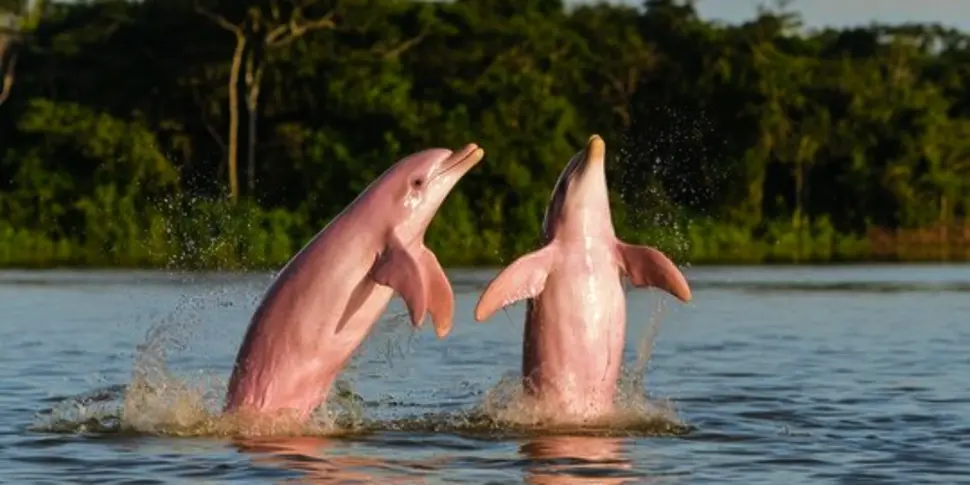
The Peruvian Amazon is home to some of the highest concentrations of wildlife diversity on Earth, including jaguars, pink river dolphins, giant river otters, harpy eagles, scarlet macaws, and dozens of monkey species across regions like Manu National Park and Tambopata.
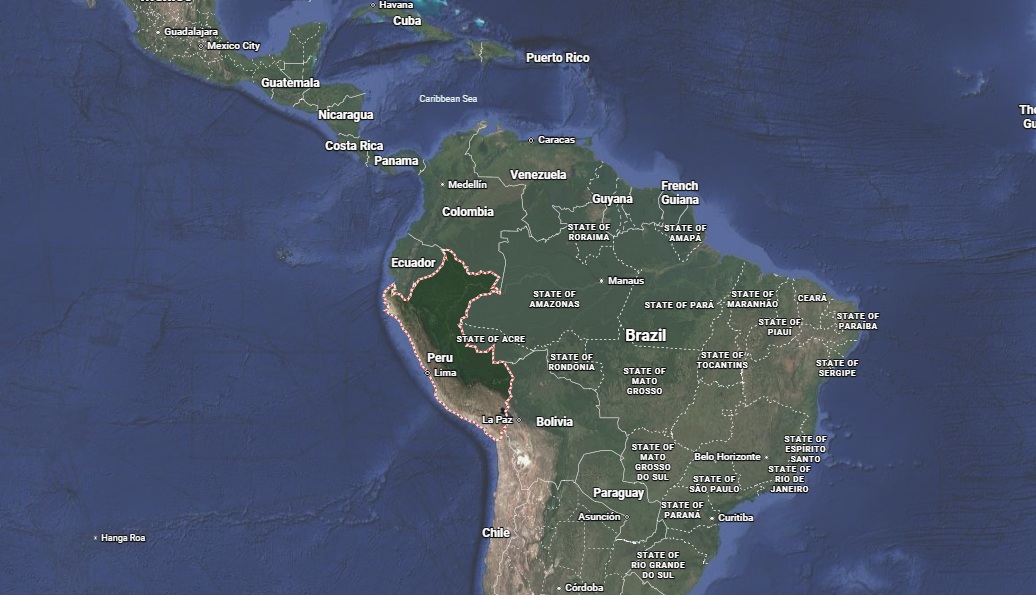
Short answer: Peru's share of the Amazon rainforest, covering roughly 60% of the country's land area, holds an extraordinary density of wildlife — some of it easy to spot, some of it genuinely rare even for experienced guides. This guide covers the animals you're most likely to encounter, where to look, and how to actually plan a wildlife-focused trip into the jungle.
Key takeaways
Jaguars are here, but rarely seenPeru has a healthy jaguar population, but sightings are genuinely rare even for full-time guides.
Birds are the easiest wildlife to spotMacaws, toucans, and harpy eagles are far more commonly seen than mammals.
Multi-day stays improve your odds significantlyEarly morning and night excursions are when the most wildlife activity happens.
Manu and Tambopata are the main Peru regionsBoth are reachable from Cusco and offer some of the best-protected habitat in the country.
Dry season generally means easier spottingRoughly May-October, when animals concentrate more predictably around remaining water.
~60%
Share of Peru's land area covered by Amazon rainforest
1,800+
Bird species recorded in Peru, among the highest counts of any country
13
Primate species found in the Peruvian Amazon
Manu & Tambopata
Peru's two flagship Amazon wildlife regions
The Species Worth Knowing
The jaguar is the Amazon's apex predator and the animal most travelers hope to see, though sightings remain genuinely rare — even veteran guides may go months between encounters. Far more commonly spotted are scarlet macaws and other parrots, especially at clay licks where dozens gather at once, along with giant river otters, several species of monkey, sloths, and caimans along riverbanks. Harpy eagles, among the world's most powerful raptors, nest in the region but require real luck and a knowledgeable guide to spot.
How to use this guide
Key species first, then where and when to actually maximize your chances of seeing them.
From our local team
"People often arrive expecting to see a jaguar on day one. We always set expectations early — the birds, monkeys, and river life are the reliable highlights, and anything bigger is a genuine bonus, not a guarantee."
Where and When to Go
Manu National Park and the Tambopata National Reserve are Peru's two premier Amazon wildlife destinations, both reachable from Cusco via a combination of road and river travel, or flight to gateway towns like Puerto Maldonado. Both regions offer lodges with guided excursions timed around when wildlife is most active — typically early morning and after dark. The dry season, roughly May through October, generally makes spotting easier, as animals concentrate more predictably around remaining water sources.
Kontiki Hikes · Cusco & Beyond
Adding the Amazon to your Cusco trip? Let's talk through the logistics.
Fitting a multi-day Amazon stay around trekking and altitude days takes real planning. Our local team can help.
Yellow fever vaccination is commonly recommended for Amazon travel in Peru — check current requirements with a travel health provider before your trip.
The Peruvian Amazon holds some of the richest wildlife diversity on the planet — set realistic expectations around the elusive species, plan for a multi-day stay, and let the birds, monkeys, and river life carry most of the experience.
Local Cusco Guides · Sacred Valley, Cusco · Since 2018
Written by our local Cusco team, who help travelers extend their trip into the Amazon regularly. Licensed by the Peru Ministry of Tourism (Mincetur). Rated 5.0 on Tripadvisor.
Frequently Asked Questions — Amazon Wildlife
The Peruvian Amazon is home to jaguars, giant river otters, pink river dolphins, harpy eagles, scarlet macaws, several monkey species, sloths, caimans, and an extraordinary diversity of insects, amphibians, and birds — among the richest wildlife concentrations on Earth.
Some species like monkeys and birds are commonly spotted; others, particularly jaguars, are elusive and rarely seen even by experienced guides. A multi-day stay with an early-morning and night excursion schedule significantly improves your odds.
The dry season (roughly May-October) generally makes wildlife easier to spot, as animals concentrate more predictably around remaining water sources and trails are more accessible.
Yes, including caimans, venomous snakes, and jaguars, but dangerous encounters with tourists are rare when traveling with experienced guides who know how to navigate the environment safely.
The Manu and Tambopata regions are reachable from Cusco by a combination of road and river travel, or by flight to gateway towns like Puerto Maldonado, typically taking a half to full day depending on the specific lodge or reserve.