Peru's fruit is as geographically diverse as the country itself — the coast, the Andes valleys, and the Amazon each produce fruits found almost nowhere else, from a berry with the highest recorded vitamin C content of any fruit on Earth to a custard-textured Andean fruit Mark Twain once called the most delicious he'd ever tasted. Here are 20 of them, organized by where they actually grow, with the health claims sorted from the science.
Amazon Fruits
Peru's Amazon basin produces some of the country's least internationally known but most nutritionally remarkable fruits.
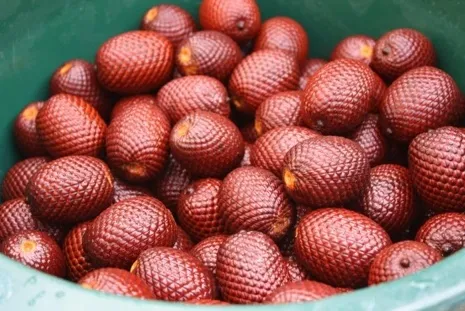
Aguaje
Harvested from a tall wetland palm, aguaje has a thick, waxy skin and a dry, mildly sweet orange pulp. It's a genuine dietary staple across much of the Peruvian Amazon and is popularly believed locally to have hormonal or "slimming" benefits — a traditional belief worth noting honestly as cultural context rather than a clinically confirmed effect. It's commonly used in ice cream, juices, and a fermented drink called aguajina.
Camu Camu
This reddish-purple Amazon berry holds the highest documented vitamin C concentration of any fruit on Earth — a genuinely verified fact, not exaggerated marketing, though the fresh fruit itself is intensely sour and rarely eaten plain. Most commonly found as juice, powder, or a supplement ingredient.

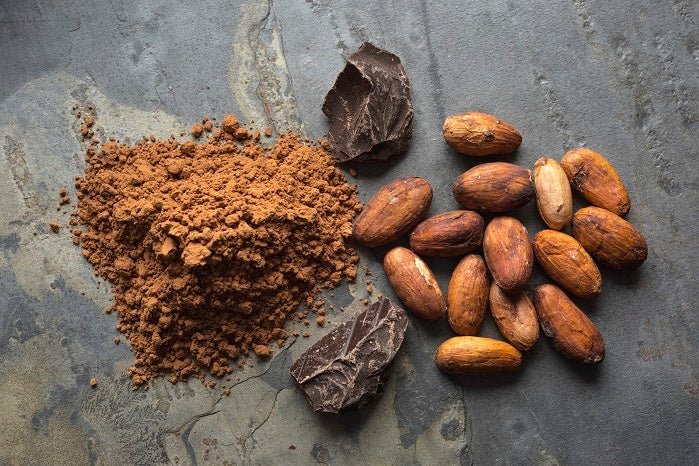
Cacao
Best known for the beans used to make chocolate, cacao pods also contain a fleshy white pulp with a sweet-tart flavor that's completely different from the bitter beans it surrounds — a pleasant surprise for most first-time tasters at origin, since chocolate itself gives no hint of it.
Cocona
A tomato relative from Amazon shrubs, cocona's flavor is often described as somewhere between a tomato and a lemon — closer to a savory ingredient than a dessert fruit, and often used in Amazonian sauces and juices rather than eaten raw. (No photo available yet.)
Guanábana (Soursop)
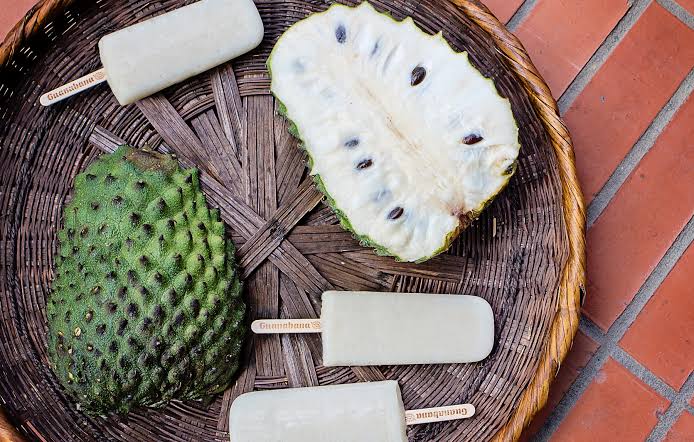
A large, spiky-skinned fruit with soft white pulp and a flavor often described as a mix of pineapple, strawberry, and citrus — genuinely one of the more complex-tasting fruits on this list.
Andean Valley Fruits
The temperate valleys of the Andes — distinct from both the high puna grasslands and the tropical lowlands — produce most of Peru's classic dessert and ice cream fruits.
Aguaymanto
A small orange fruit related to the tomatillo rather than the cherry its tart flavor might suggest, aguaymanto (also known internationally as the golden berry or Cape gooseberry) is low in calories and a genuine source of thiamin, niacin, and vitamin C. Pronounced ah-gwai-MAHN-toh.

Capulí
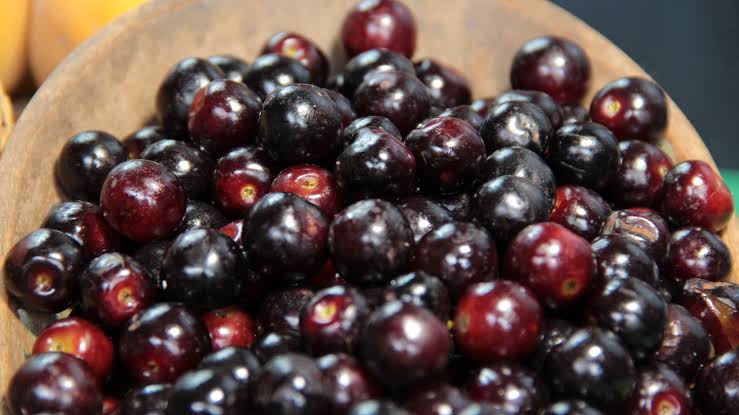
A type of cherry, capulí is juicy and slightly tart, commonly turned into jam or used in desserts. It has also served a traditional role in Andean folk medicine, taken as a syrup for respiratory complaints — a cultural practice worth noting as tradition rather than a clinically proven remedy.
Chirimoya
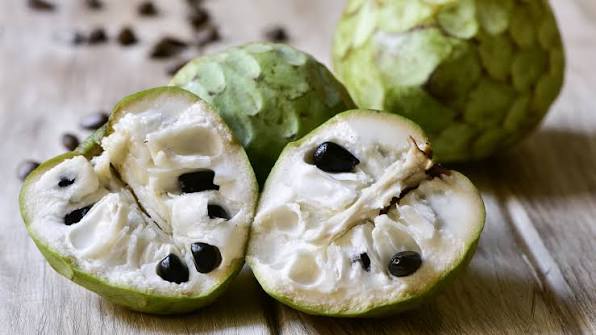
Also called the custard apple, chirimoya has a creamy, spoonable white flesh that made a genuine impression on an unlikely fan: the American writer Mark Twain, who tasted it during a trip to Hawaii in 1866 and wrote in his account, later published in Roughing It, that it was "the most delicious fruit known to men." The name itself comes from the Quechua "chirimuya," meaning roughly "cold seeds."
Granadilla
A passionfruit relative with a sweeter, less acidic pulp than its more famous cousin, granadilla is eaten straight from its hard shell with a spoon, seeds and all — a genuinely good source of fiber and several vitamins.

Lúcuma
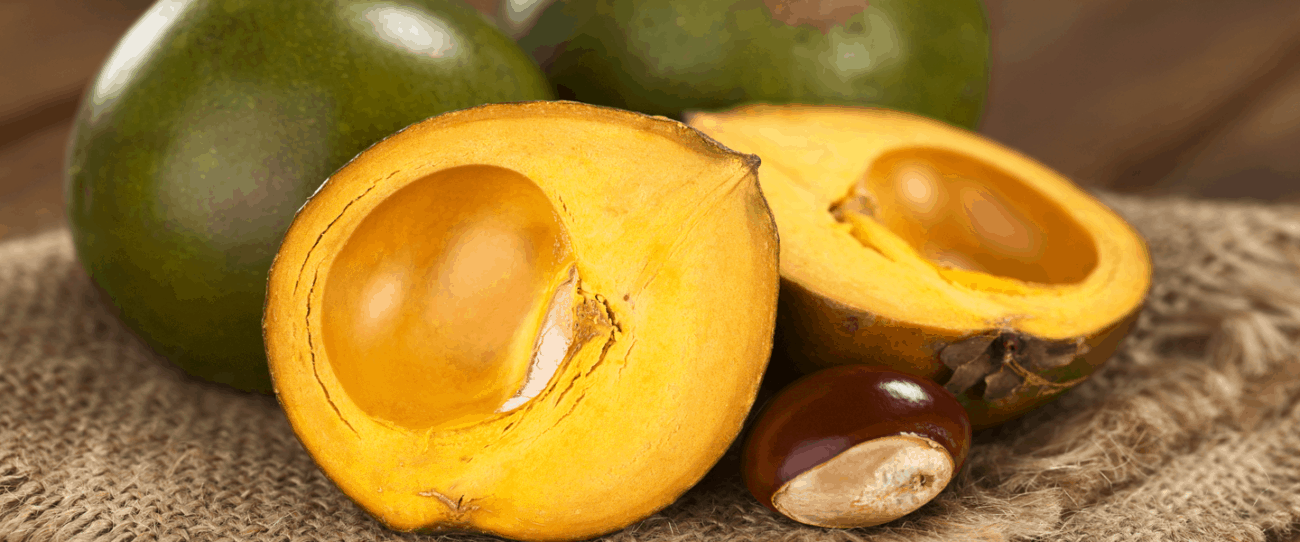
One of Peru's most beloved flavors, lúcuma has bright yellow flesh with a taste often compared to sweet potato or maple. It's the single most common ice cream flavor in Peru, arguably outselling vanilla and chocolate locally. Pronounced LOO-koo-mah.
Pacay
Also called the ice-cream bean, this legume pod contains a sweet, fluffy white pulp with a flavor genuinely reminiscent of vanilla ice cream — an unusual texture for a fruit, since it grows inside a long pod rather than as a standalone piece of produce. (No photo available yet.)
Saúco
A rare elderberry species edible fresh rather than only cooked, saúco is typically eaten as fresh fruit but also commonly turned into jam and homemade wine across the Andean highlands.

Tumbo
Known as the banana passionfruit for its elongated yellow shell, tumbo shares the viscous, seed-filled interior of its cousin granadilla but with a tangier flavor — usually eaten fresh or blended into juices and cocktails. (No photo available yet.)
Tuna (Prickly Pear)
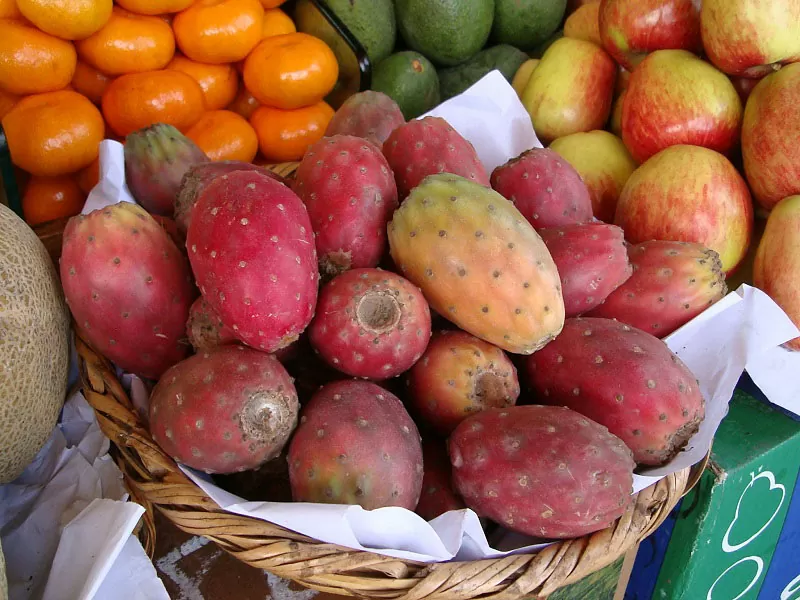
The edible fruit of the Indian fig cactus, tuna grows well in drier Andean valley zones and comes in shades from green to deep magenta, depending on variety — good eaten plain, juiced, or made into jam.
Coastal & Widely Cultivated Fruits
These fruits are grown commercially across Peru's coast and are the ones most likely to already be familiar internationally.
Guava
Common throughout the tropics, Peruvian guava is typically green-skinned with pink flesh, excellent in juices and jams as well as eaten raw. (No photo available yet.)
Limón
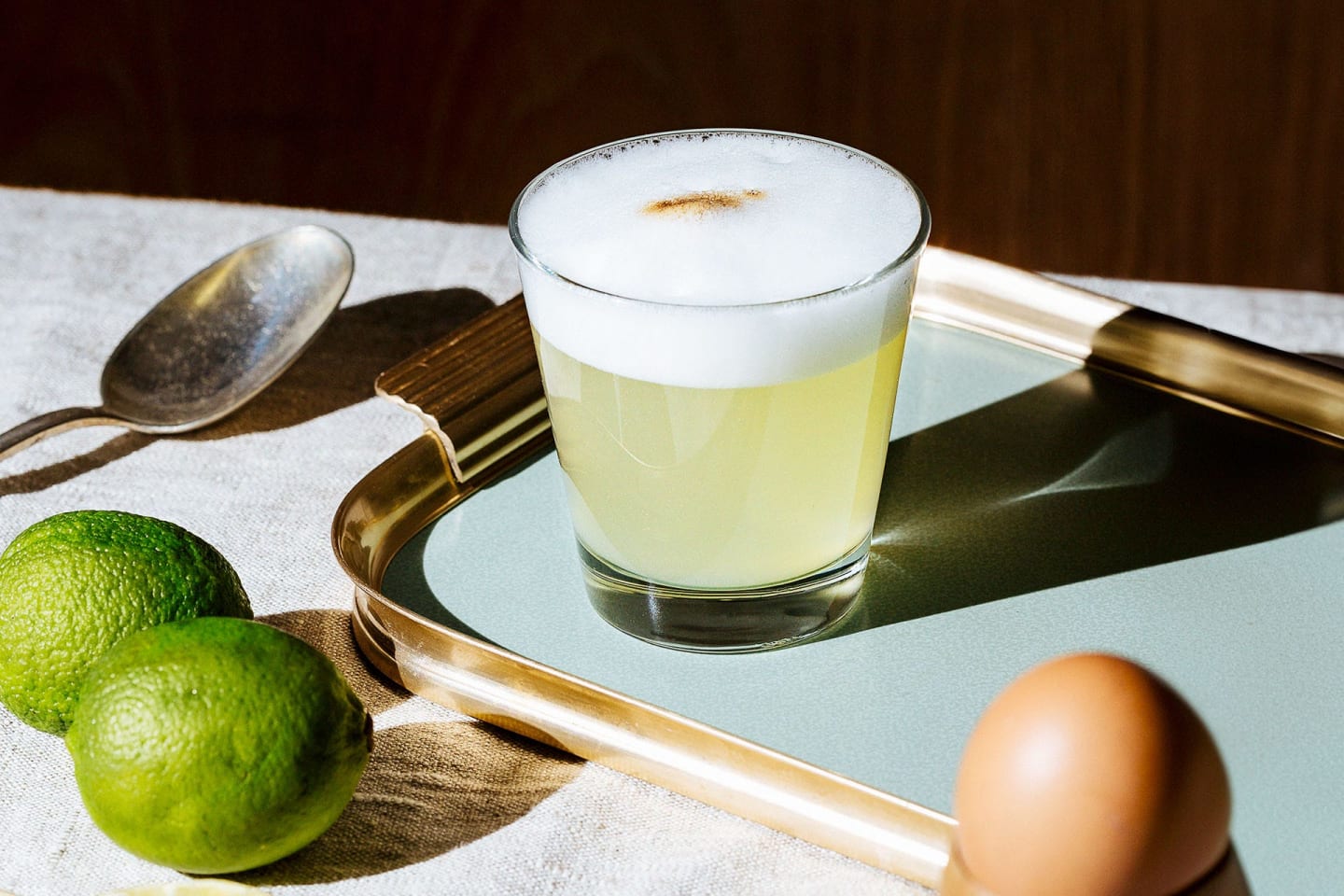
Peruvian limes are notably more intensely sour than limes grown in most other countries — an essential ingredient behind the acidity in both ceviche and the pisco sour. If you've tried a pisco sour, you've already tasted Peruvian limón at work; see our full pisco guide for the recipe. (No photo available yet.)
Mango
Peru is a major global mango exporter, with the most common varieties showing reddish skin over orange pulp — an inexpensive, widely available snack throughout the country. (No photo available yet.)
Maracuyá (Passionfruit)
Sharply sour on its own, maracuyá pulp is almost always strained and diluted into juice rather than eaten directly, and it's a constant presence in both alcoholic and non-alcoholic Peruvian drinks and desserts. Pronounced mah-rah-koo-YAH. (No photo available yet.)
Pepino Dulce
A mild melon relative similar to cantaloupe in flavor, pepino dulce is usually eaten on its own or mixed into fruit salads rather than featured as a standalone dessert.

Pitahaya (Dragon Fruit)
Produced by a night-blooming cactus, pitahaya comes in several colors and has a kiwi-like texture from its edible black seeds. Pronounced pee-tah-HAH-yah. (No photo available yet.)
Don't Confuse These: Granadilla vs. Maracuyá vs. Tumbo
All three belong to the same passionfruit genus (Passiflora), and travelers regularly mix them up. Here's the real difference.
| Feature | Granadilla | Maracuyá | Tumbo |
|---|---|---|---|
| Flavor | Sweet, mild | Sharply sour | Tangy, milder than maracuyá |
| Shell | Hard, round, orange | Wrinkled when ripe, purple/yellow | Elongated, yellow ("banana passionfruit") |
| How it's eaten | Spooned straight from the shell | Almost always juiced | Fresh, or blended into juice |
For Every Kind of Traveler
Families with kids often find a fruit-tasting stop at a local market more engaging than expected — trying to guess a fruit's flavor before tasting it is a natural game. Vegetarian and vegan travelers will find Peru's fruit diversity a genuine highlight of the trip, not an afterthought. Fitness-focused travelers interested in real nutritional content should look specifically at camu camu (vitamin C) and aguaymanto (thiamin, niacin, vitamin C) rather than fruits marketed on unproven health claims. Solo travelers will find Cusco's traditional markets an easy, low-pressure way to sample several fruits in one stop.
Where to Actually Taste Them
Cusco's traditional markets — San Pedro, Pisac, and Chinchero — are the most reliable single stop to sample several of these fruits at once, sold fresh by the same vendors who supply local households. See our full Cusco markets guide for what else to expect there, and our Peruvian cuisine guide for how several of these fruits show up in classic dishes and desserts.
Taste Them on Tour: Fruit Is Part of Breakfast
Every Kontiki full-day departure includes fresh Peruvian fruit at breakfast — a simple, easy way to try several of the fruits above without seeking them out separately. Here are our most-booked full-day tours. Scroll to see every option.

Myth vs. Fact
- ✓ Guanábana (soursop) is a proven cancer treatment.
- ✓ Granadilla, maracuyá, and tumbo are basically the same fruit.
- ✓ Camu camu's vitamin C claim is marketing exaggeration.
- ✓ No human clinical trials support soursop as a cancer treatment; the FDA does not recognize it as one.
- ✓ All three are real Passiflora relatives but differ meaningfully in sweetness, shell, and how they're eaten.
- ✓ Camu camu's vitamin C record is genuinely documented, not exaggerated.
Glossary
Aguaymanto: ah-gwai-MAHN-toh — also known internationally as the golden berry.
Maracuyá: mah-rah-koo-YAH — Spanish for passionfruit.
Pitahaya: pee-tah-HAH-yah — dragon fruit in English.
Camu Camu: KAH-moo KAH-moo — repeated syllables, both stressed evenly.
Common Mistakes
Believing health claims without checking them. Soursop's cancer claim is the clearest example, but treat any "miracle fruit" claim with the same scrutiny. Confusing the passionfruit relatives. Ask before you buy if you want a specific flavor profile. Assuming every fruit is available year-round. Several of these are genuinely seasonal; a market vendor can tell you what's actually in season during your visit. Skipping the market for a supermarket. Fresher, more varied, and usually cheaper.
International Recognition
Camu camu and lúcuma have both crossed into international "superfood" and functional-food markets over the past two decades, sold abroad as powders and supplements. Chirimoya has its own documented literary endorsement from Mark Twain, and continues to draw attention from food writers exploring lesser-known tropical fruit varieties.
Frequently Asked Questions — Peruvian Fruits
Peru's fruit diversity is one of the country's most underrated travel experiences — genuinely worth seeking out at a market, not just tasting incidentally at breakfast. Go in curious, ask vendors what's actually in season, and treat health claims the way you would anywhere else: with a healthy dose of skepticism and a quick check before repeating them.
It's already on the menu.