By Kontiki Hikes·Local Cusco Team·13 min read·Updated August 2026
The Andes mountains in South America form the world's longest continental mountain range, stretching roughly 7,000 kilometers along the continent's western edge through seven countries, including Peru, where they shape everything from Cusco's climate to Machu Picchu's dramatic setting.
Short answer: the Andes mountains in South America aren't just scenery on a Peru trip — they're the reason Cusco sits at 3,400 meters, why altitude planning matters so much, and why the region's wildlife, climate, and Inca history all developed the way they did. This guide covers the basics of the range itself, how it shapes travel through Peru specifically, and what to actually expect from Andean geography and wildlife.
Key takeaways
The longest range in the worldRoughly 7,000 km long, running through seven South American countries.
Peru sits in the central AndesOne of the widest, highest sections of the entire range.
Cusco's altitude comes directly from thisThe city's 3,400m elevation is a direct product of sitting within the Andean highlands.
Home to unique high-altitude wildlifeLlamas, alpacas, vicuñas, condors, and the cock-of-the-rock all evolved for this environment.
Climate varies enormously by elevationA single Andean valley can shift from temperate to near-freezing within a short vertical distance.
Shaped Inca civilization directlyTerracing, road engineering, and settlement patterns all responded to this mountain geography.
~7,000 km
Total length of the Andes mountain range
7
Countries the range passes through
6,961m
Aconcagua, the range's highest peak (Argentina)
6,768m
Huascarán, Peru's highest Andean peak
Geography of the Andes
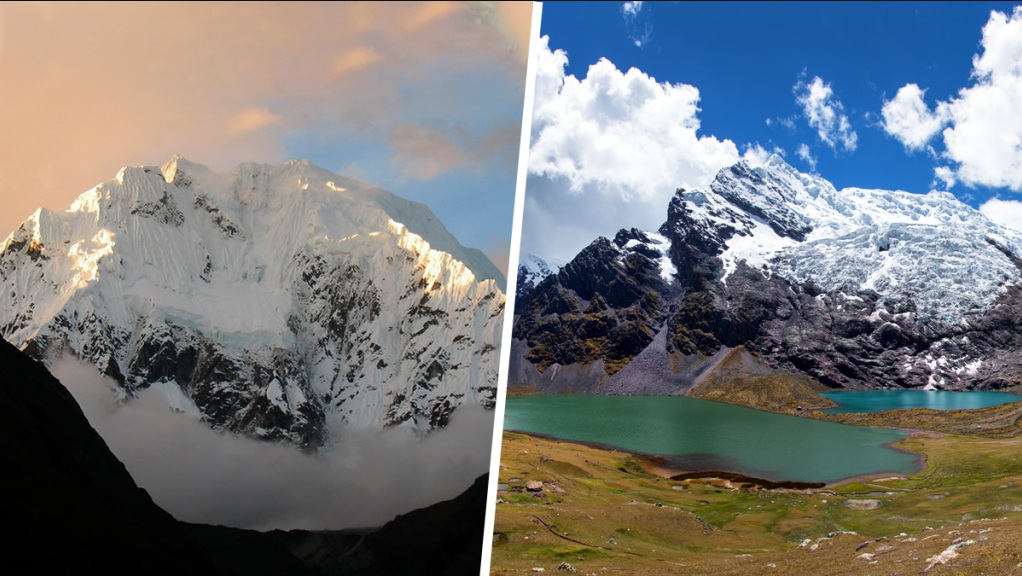
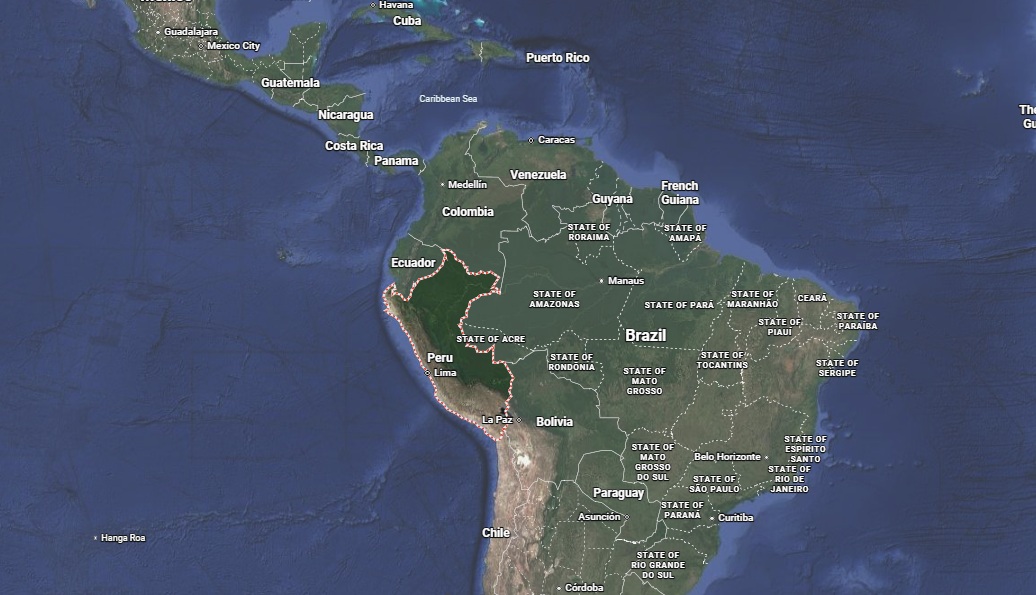
The Andes mountains in South America run continuously along the continent's Pacific coast from Venezuela in the north to Chile and Argentina in the south, formed by the ongoing collision of the Nazca and South American tectonic plates — a process that also makes the region prone to earthquakes and volcanic activity. Peru sits within the central Andes, generally considered the widest and highest section of the entire range, which is part of why the country contains such varied terrain within relatively short distances — from Lima's coastal desert to Cusco's high valleys to the eastern slopes dropping into Amazon rainforest.
Unlike a single ridge, the Andes in Peru actually split into multiple parallel ranges called cordilleras, with high plateaus and valleys running between them — Cusco itself sits within one such valley, and the Altiplano around Lake Titicaca is another example of this Andean plateau geography.
How to use this guide
Geography first, then climate and wildlife, then how all of this specifically shapes a Peru trip.
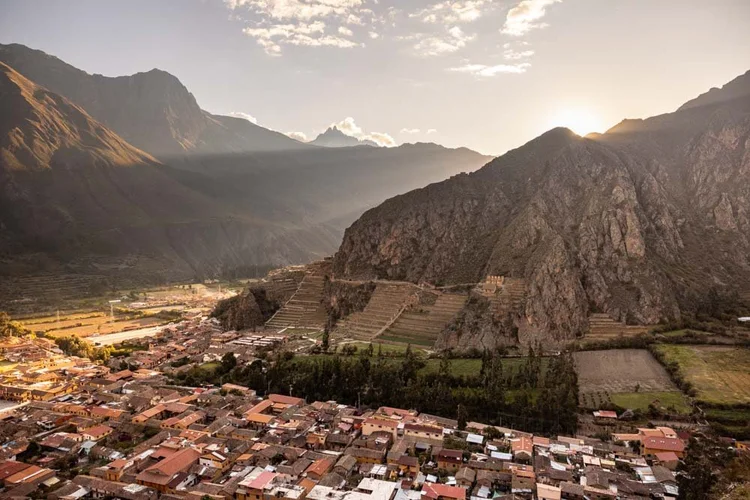
The Sacred Valley is a classic example of the high Andean valleys carved throughout the central range.
Climate & Wildlife of the Andes
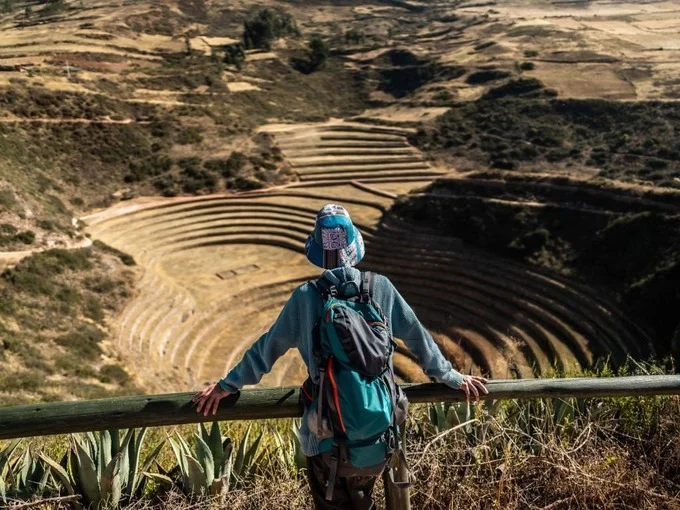
Andean climate varies dramatically with elevation rather than latitude alone — a short drive can take you from temperate valley floor to near-freezing high-altitude passes within an hour. This vertical climate diversity is part of why the Inca were able to cultivate such a wide range of crops across relatively small distances, using terracing to farm multiple microclimates simultaneously.
The range hosts wildlife found almost nowhere else on Earth. Llamas and alpacas, domesticated by Andean peoples thousands of years ago, remain central to highland life and economy. The vicuña, their wild, undomesticated relative, produces the world's most valuable natural wool — see our dedicated vicuña guide for more. The Andean condor, one of the largest flying birds in the world, and the cock-of-the-rock, Peru's vividly colored national bird, both depend on the range's cliffs and cloud forest habitats.
Key terms in this guide
Cordillera
— one of the parallel mountain ranges making up the wider Andes.
Altiplano
— the high Andean plateau spanning parts of Peru, Bolivia, and Chile.
Central Andes
— the widest, highest section of the range, including Peru and Bolivia.
How the Andes Shape a Trip to Peru
Nearly every major planning decision on a Cusco-based trip traces back to the Andes directly. Altitude acclimatization matters because Cusco sits high within the range; trek difficulty is shaped by the mountain passes you'll cross, some well above 4,000 meters; and even Peru's food and textile traditions developed around the crops and animals suited to this terrain. Understanding the Andes as the underlying geography — not just a scenic backdrop — makes the rest of a Peru trip's logistics make much more sense.
From our local team
"People often don't realize how much the Andes dictate the whole trip — the altitude, the weather swings, even the crops on your plate. Once you understand the mountains, Cusco and the Sacred Valley make a lot more sense."
Kontiki Hikes · Cusco Region
Want to experience the Andes firsthand? Our treks take you deep into the range.
From Rainbow Mountain to the Salkantay Trek, our tours cross some of the most striking Andean terrain in Peru.
No, they're separate ranges on different continents — the Andes are in South America, the Rockies in North America — though both formed through similar tectonic processes.
Are the Andes volcanic?
Parts of the range, particularly in the central and southern Andes, include active and dormant volcanoes, a result of ongoing tectonic plate activity.
What language is spoken in the Peruvian Andes?
Spanish is dominant, but Quechua remains widely spoken throughout the highland communities of the Peruvian Andes.
7,000 km
Range length
7
Countries
Central Andes
Peru's section
Cusco
Sits within the range
Conclusion
The Andes mountains in South America are the foundation everything else in a Peru trip is built on — the altitude, the climate, the wildlife, and the Inca history that shaped Cusco and the Sacred Valley. Understanding the range itself makes every other part of trip planning click into place.
Local Cusco Guides · Sacred Valley, Cusco · Since 2018
Written by our local Cusco team, who trek this range regularly and understand its terrain firsthand. Licensed by the Peru Ministry of Tourism (Mincetur). Rated 5.0 on Tripadvisor.
Frequently Asked Questions — The Andes
The Andes stretch roughly 7,000 kilometers along the western edge of South America, making them the longest continental mountain range in the world, running through seven countries from Venezuela to Chile and Argentina.
Aconcagua, in Argentina, is the highest peak in the Andes and the highest mountain in the Western Hemisphere, at roughly 6,961 meters. Peru's highest peak, Huascarán, reaches about 6,768 meters.
Cusco sits in a high Andean valley that offered the Inca a defensible, centrally located position with access to varied microclimates for agriculture, making it a natural choice as their imperial capital.
The Andes are home to llamas, alpacas, vicuñas, the Andean condor, spectacled bears, and the Andean cock-of-the-rock, among many species adapted to high-altitude life across the range's varied ecosystems.
The Andes average around 4,000 meters in elevation, though this varies significantly by region, with the central Andes around Peru and Bolivia generally the widest and highest section of the range.