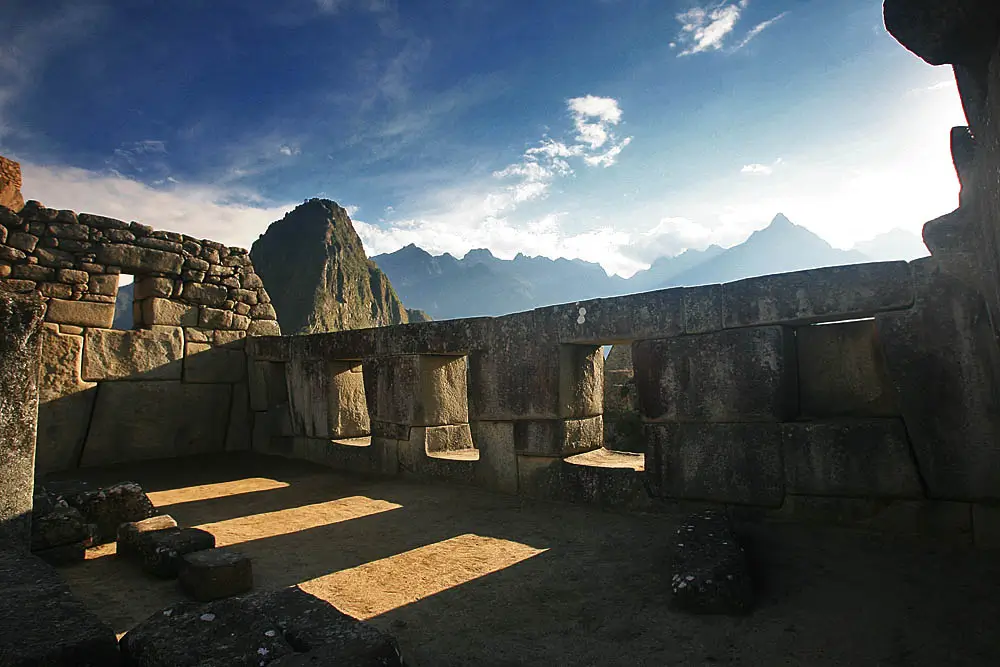
Altitude at Machu Picchu & Cusco: Elevation Explained
By Kontiki Hikes·Local Cusco Team·13 min read·Updated August 2026
The altitude machu picchu cusco comparison surprises most first-time visitors: Machu Picchu sits at roughly 2,430 meters, while Cusco sits nearly 1,000 meters higher at about 3,400 meters — meaning the citadel itself is actually one of the lower-altitude stops on a typical Peru itinerary.
Short answer: how high is Machu Picchu? Lower than you'd expect, and lower than Cusco. This single fact catches almost every first-time visitor off guard, and it matters for planning — the real altitude risk on a Peru trip comes from Cusco and any mountain passes you cross, not from the ruins themselves. This guide covers the exact elevation machu picchu peru figures, how they compare across the region, and how to plan your acclimatization accordingly.
Key takeaways
Machu Picchu is lower than Cusco2,430m versus Cusco's 3,400m — nearly a 1,000m difference.
You descend from Cusco to Machu PicchuNot ascend, contrary to what most travelers assume.
The real risk is Cusco and mountain passesNot the citadel itself, but the city and trek routes leading to it.
Dead Woman's Pass is the highest trek point4,215m on the Classic Inca Trail, the toughest single stretch of the route.
2-3 days acclimatization is the standard adviceBuild this into your itinerary before any strenuous activity.
2,430m
Machu Picchu's elevation above sea level
3,399m
Cusco's elevation above sea level
4,215m
Dead Woman's Pass, highest point on the Inca Trail
~970m
Elevation difference between Cusco and Machu Picchu
Machu Picchu vs. Cusco: The Actual Numbers
Here's the detail that surprises a lot of first-time visitors: Machu Picchu itself is not the high-altitude part of the trip. At roughly 2,430 meters, the citadel sits nearly 1,000 meters lower than Cusco's 3,400 meters, and well below the altitude where soroche (altitude sickness) typically becomes a serious concern. If your itinerary is Cusco-then-Machu-Picchu, you're actually descending in elevation by the time you reach the ruins — not climbing higher, as many assume before their trip.
This altitude machu picchu cusco relationship matters practically: acclimatization planning should be built around your highest point on the trip, not your final destination. For most travelers, that highest point is Cusco itself or a mountain pass on a multi-day trek — not Machu Picchu.
How to use this guide
The core elevation comparison first, then where the real altitude risk actually comes from, then practical acclimatization guidance.
Cusco, at 3,399 meters, is actually the highest-altitude stop on most Machu Picchu itineraries.
Machupicchu sits at a lower latitude than Cusco. Huayna Picchu: The most notorious mountain in Machu Picchu reaches 2720m..
Where the Real Altitude Risk Comes From
The genuine altitude exposure on a Peru trip comes from everything around Machu Picchu — Cusco itself, the Sacred Valley, and especially trek passes like Dead Woman's Pass on the Inca Trail (4,215m) or the Salkantay Pass (4,630m), both of which sit well above the citadel and above Cusco. That's why we always recommend planning acclimatization around your highest point, not your final destination — a mistake that catches out travelers who assume Machu Picchu, as the "main event," must also be the most physically demanding part of the trip.
Myth
Fact
Machu Picchu is higher altitude than Cusco
Machu Picchu sits at ~2,430m, nearly 1,000m lower than Cusco's 3,400m.
You climb higher to reach Machu Picchu from Cusco
You actually descend in elevation — Cusco is the higher point on most itineraries.
Altitude sickness mainly happens at the ruins
The real risk is concentrated in Cusco and any mountain passes crossed en route, not at Machu Picchu itself.
From our local team
"Almost every guest is surprised when we tell them Machu Picchu is lower than Cusco. It genuinely changes how they think about pacing their trip — the tough part isn't the ruins, it's everything leading up to them."
Kontiki Hikes · Cusco Region
Not sure how to plan your acclimatization days? We'll help you sequence your trip safely.
Our local team can help you build in the right amount of adjustment time before any trek or high-altitude activity.
Yes, Aguas Calientes sits at around 2,040 meters, slightly lower than the citadel itself.
Do I need altitude medication for Machu Picchu?
Not typically for the citadel itself given its lower elevation, though some travelers use medication for the higher points of their trip, like Cusco or trek passes — consult a doctor before your trip.
What is the Salkantay Pass elevation?
The Salkantay Pass reaches roughly 4,630 meters, higher than the Inca Trail's Dead Woman's Pass, making the Salkantay Trek's highest point the most demanding altitude on either route.
2,430m
Machu Picchu
3,399m
Cusco
4,215m
Dead Woman's Pass
4,630m
Salkantay Pass
Conclusion
The altitude machu picchu cusco comparison is one of the most useful facts to internalize before your trip: Cusco, not Machu Picchu, is where your acclimatization planning should focus. Build in real adjustment time in the city, respect any mountain passes on your route, and the citadel itself will feel like the reward it's meant to be.
Local Cusco Guides · Sacred Valley, Cusco · Since 2018
Written by our local Cusco team, who help travelers plan altitude acclimatization daily. Licensed by the Peru Ministry of Tourism (Mincetur). Rated 5.0 on Tripadvisor.
Frequently Asked Questions — Altitude at Machu Picchu & Cusco
Machu Picchu sits at approximately 2,430 meters (7,970 feet) above sea level, making it lower in elevation than most people expect, and considerably lower than Cusco.
Machu Picchu sits at roughly 2,430 meters, while Cusco sits at approximately 3,400 meters — nearly 1,000 meters higher. Travelers going Cusco to Machu Picchu are actually descending in elevation.
Altitude sickness at Machu Picchu itself is uncommon given its relatively low elevation. The real risk comes from Cusco and any mountain passes crossed en route, particularly on multi-day treks like the Inca Trail or Salkantay.
Dead Woman's Pass, at 4,215 meters, is the highest point on the Classic Inca Trail and the most physically demanding section of the entire trek.
Most travelers need 1-2 full days to begin adjusting to Cusco's altitude, with 2-3 days generally recommended before attempting a strenuous trek or high-altitude activity.