
Every travel guide will tell you "May to October is the best time to visit Cusco." That answer is technically correct and almost completely unhelpful. The right month depends on what you actually want — clear skies for trekking, the Inti Raymi festival, fewer crowds, greener landscapes, or lower prices. This guide is written by guides who are in Cusco every month of the year. Here is what each month is actually like.
The Two Seasons: What They Actually Mean for Your Trip
Cusco has two clearly defined seasons — the dry season and the wet season. Unlike many destinations where the seasons blur, the transition between them in Cusco is dramatic and happens in the space of a few weeks. Understanding which one you are travelling in determines almost everything about your experience.
| Feature | Dry Season (May–October) | Wet Season (November–April) |
|---|---|---|
| Sky conditions | ✓ Clear blue skies daily | Cloud cover, afternoon showers |
| Daytime temperature | 16–20°C (61–68°F) | 18–22°C (64–72°F) — warmer |
| Night temperature | 0–5°C (32–41°F) — very cold | 8–12°C (46–54°F) — milder |
| Landscape | Brown, dry, dramatic | ✓ Green, lush, vivid |
| Crowds | High — especially June–August | ✓ Fewer tourists |
| Prices | Higher — peak season June–August | ✓ Lower — better value |
| Trail conditions | ✓ Firm, dry, safe | Muddy, slippery in heavy rain |
| Rainbow Mountain colours | ✓ Most vivid mineral colours | Colours partially washed out |
| Inca Trail | ✓ Open March–January | Closes February only |
| Machu Picchu | ✓ Open every month | ✓ Open every month |
Month by Month: What Cusco Is Actually Like

January — Wet season peak. Green and quiet.
One of the rainiest months. The Sacred Valley and surrounding mountains are extraordinarily green — the kind of vivid emerald you do not see in the dry season. Crowds are minimal, prices are at their annual low, and Machu Picchu is far less busy than at any other time of year. Day hikes run normally with afternoon rain expected. Not ideal for Rainbow Mountain (colours washed out) but excellent for Humantay Lake and Ausangate. The Inca Trail is open.
Best tours this month: Humantay Lake · Ausangate 7 Lagoons · Salkantay Trek
February — The one month to plan around.
The wettest month of the year. The Inca Trail closes for the entire month of February for annual maintenance by Peru's Ministry of Culture — this is the only month the Inca Trail is unavailable. Machu Picchu itself remains open by train. All other treks including Salkantay Trek run normally. February is also carnival season across the Andes — water fights, dancing and festivals in towns throughout the Sacred Valley. If you have no interest in the Inca Trail specifically, February offers Machu Picchu almost to yourself.
March — The transition begins. Rain easing, trails improving.
The Inca Trail reopens on March 1 and permit availability is strong immediately after the February closure. Rain tapers significantly especially in the second half of the month — landscapes are still green but trails are drying out. Semana Santa (Holy Week) falls in late March or April and fills Cusco with elaborate processions. One of the most underrated months to visit — improving weather, few tourists, good prices.
Best tours this month: Salkantay Trek · Humantay Lake · Classic Inca Trail
April — The sweet spot begins.
April is one of the best-kept secrets in Cusco travel. The rains have mostly passed, the mountains are still vivid green from the rainy season, tourist numbers are well below peak and prices reflect it. Inca Trail permits are available without the months-ahead scramble of peak season. Rainbow Mountain is starting to become viable as trails dry. The sacred valley is at its most photogenic. Semana Santa brings local celebration to the Plaza de Armas.
May — The best month. Full stop.
If you can choose one month to visit Cusco, choose May. The dry season has arrived in earnest — clear skies, firm trails, vivid mineral colours on Rainbow Mountain — but the peak season tourist wave has not yet hit. Hotels are available, trains are bookable, Inca Trail permits exist. The Sacred Valley is still green from the rains. Temperatures are comfortable during the day (around 18-20°C) and cold at night (around 4-6°C). Every single tour we offer is at its best in May.
June — Spectacular weather. Inti Raymi. Peak crowds.
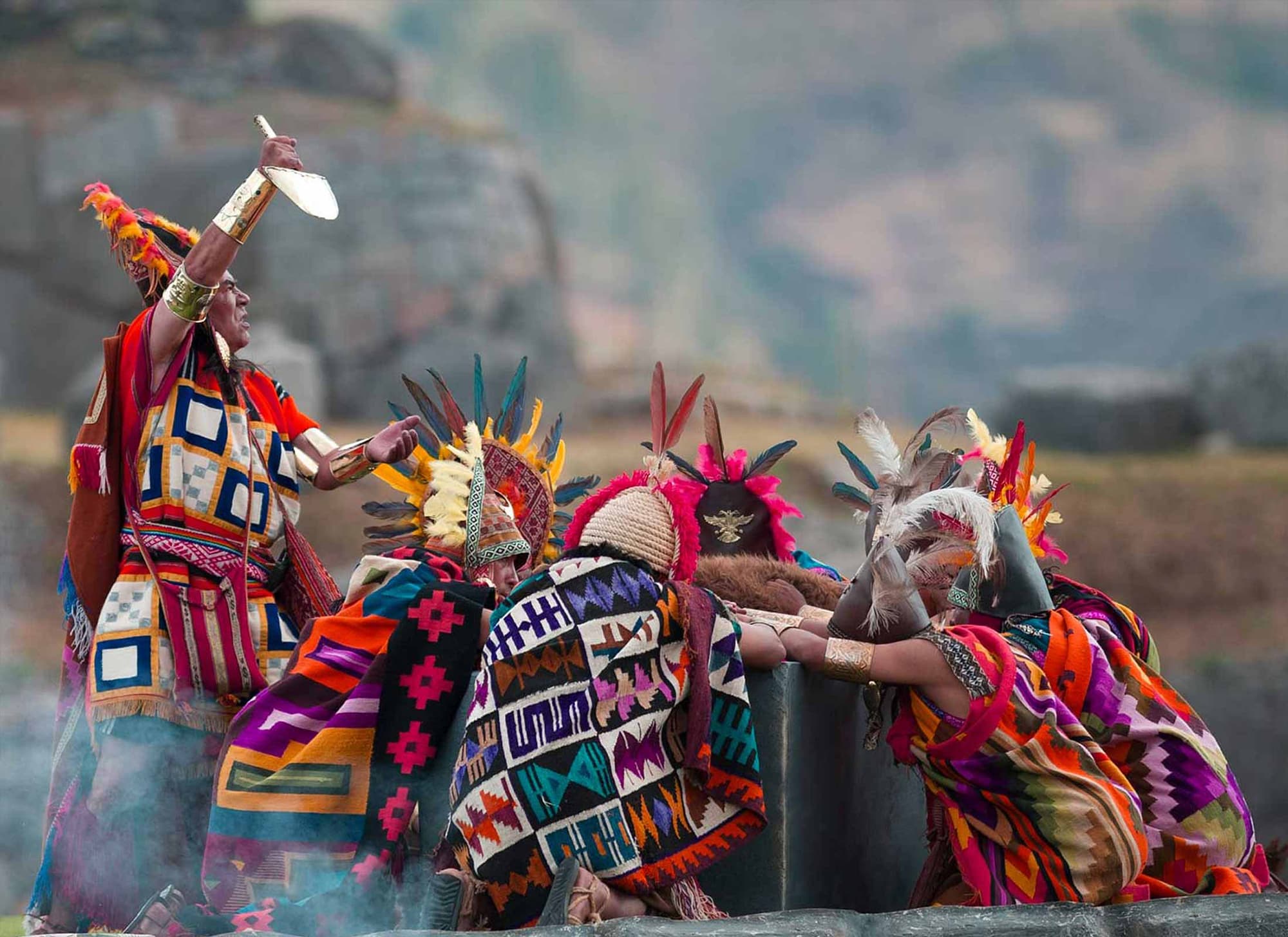
June is the month that defines Cusco's reputation. The driest month of the year — virtually zero rain, 8+ hours of sunshine daily, cold crisp nights approaching 0°C. Rainbow Mountain colours are at their most vivid. Mountain views from every trail are extraordinary. And on June 24, Inti Raymi — the Festival of the Sun — transforms Cusco into the most culturally spectacular place in South America for one day.
The trade-off: June is peak season. Hotels charge peak rates, trains sell out, Inca Trail permits for June sell out months in advance. Rainbow Mountain receives up to 2,000 visitors per day. Book everything well ahead if you want June.
July — Peak season in full. Coldest nights. Best mountain views.
The most popular month to visit Cusco — and the most crowded. Inca Trail permits sell out fastest for July dates. Rainbow Mountain queues from 9AM. Hotels at their annual highest prices. But the weather is exceptional — clear skies every day, perfect visibility from every summit, and the extraordinary cold-night clarity that makes the Milky Way visible from Sacsayhuaman without a telescope. July 28 is Peru's Independence Day — street celebrations throughout Cusco.
August — Still peak but easing toward the end.
Similar to July in weather — dry, sunny, cold nights. Crowds remain high but begin easing in the final week of August. This makes late August a smart choice — you get the dry season weather without the extreme July peak and slightly better hotel and permit availability. Strong winds can affect the Salkantay Pass section of the Salkantay Trek in August — our guides adjust timing accordingly.
September — The second sweet spot.
September is the other month our guides recommend to clients who want the best combination of weather, experience and value. The dry season continues with mostly clear skies, tourist numbers drop noticeably from July-August peak, and prices ease. Temperatures warm slightly compared to June-July and nights are not as cold. Inca Trail permits have better availability. Rainbow Mountain trail conditions are excellent. Some afternoon cloud building begins toward the end of the month signalling the approach of the wet season.

October — Excellent. Increasingly underrated.
October offers a compelling case for being the best month many people have never considered. Crowds continue to drop from September, weather remains good with mostly dry days, the Sacred Valley begins to green up as the rains approach, and prices have eased significantly from peak. Late October sees the first afternoon showers returning but mornings remain clear. All treks run normally. One of our favourite months for the Salkantay Trek specifically — the trail is quiet and conditions are excellent.
November — The shoulder season shift. Rain returns.
The wet season begins returning in November, though rainfall is still moderate compared to January-February. Crowds are at their annual lowest outside February. Prices are low. Machu Picchu on a November morning in the mist is genuinely extraordinary — the citadel emerges from cloud in a way that peak-season clear-sky visits do not replicate. Day hikes are still viable with proper waterproofs. Rainbow Mountain is less reliable as colours start washing out.
December — Low season city. Wet but festive.
December brings consistent afternoon rain but the city itself is alive with the lead-up to Christmas and New Year. The Santurantikuy artisan market on December 24 in the Plaza de Armas is one of the most vibrant local markets in all of Peru. Hotel prices are lower than peak season until the final week of December when they spike for New Year. Trekking continues — Salkantay and Humantay Lake both operate normally. Rainbow Mountain trail can be muddy.
Which Treks to Do in Which Season
This is the section no other guide writes — matching specific tours to specific months based on real conditions from guides who run them year-round.
| Tour | Best months | Avoid | Year-round? |
|---|---|---|---|
| Humantay Lake | April–October | Heavy rain days Jan–Feb | ✓ Yes — daily |
| Rainbow Mountain Vinicunca | May–October | Jan–March — colours washed out | ✓ Yes — daily |
| Palccoyo Rainbow Mountain | April–October | Peak Jan–Feb rain | ✓ Yes — daily |
| Ausangate 7 Lagoons | May–October | Peak wet season muddy trail | ✓ Yes — daily |
| Salkantay Trek 5D/4N | April–October ideal | Feb — heavy snows on pass possible | ✓ Yes — daily |
| Classic Inca Trail 4D/3N | March–January | ✗ February — closed entirely | 11 months only |
| Short Inca Trail 2D/1N | March–January | ✗ February — closed entirely | 11 months only |
Key Festivals: When Cusco Comes Alive
Cusco's festival calendar is one of the most compelling reasons to visit at specific times of year. These are not tourist performances — they are living ceremonies that have continued for centuries and that our Quechua-heritage guides have grown up participating in.
Carnival season — water, dancing, colour
Carnival across the Andes involves water fights, dancing in the streets, flour throwing and community celebrations. The towns of the Sacred Valley — Pisac, Ollantaytambo, Chinchero — are particularly vibrant during Carnival weekend. A genuinely local experience most tourists miss entirely.
Easter Week — the most solemn processions
Cusco's Easter Week processions are among the most elaborate in South America. The Plaza de Armas fills with candlelit processions carrying colonial religious statues through the streets on elaborate palanquins. A profound blend of Catholic tradition and Andean spiritual practice that has evolved over 500 years.
Fifteen saints carried through the city
15 saints from neighbourhood churches are carried in procession to the Cusco Cathedral and installed for eight days. The Plaza de Armas fills with food stalls serving traditional Andean dishes — chiriuchu (cold spiced guinea pig), chicha de jora, moraya. One of the most genuinely local festivals of the year.
The most important festival in the Inca calendar
The theatrical reenactment of the ancient Inca winter solstice ceremony honouring Inti, the sun god. Performed across three sites — Qorikancha, Plaza de Armas and Sacsayhuaman — with thousands of participants in elaborate period costumes. Declared a UNESCO Intangible Cultural Heritage. Inti Raymi week is when Cusco is at its most alive. Book hotels and tours 12-16 weeks ahead.
National celebration — parades, fireworks, music
Peru's Independence Day (July 28) brings street celebrations, military parades and fireworks across Cusco. The Plaza de Armas is packed with locals and the atmosphere is genuinely festive. A good day to be in the city rather than on a trail — most locals take the day off.
The largest traditional craft market in Peru
Every Christmas Eve the Plaza de Armas fills with artisans from across the Cusco region selling traditional crafts, religious figures, ceramics and textiles through the night. Santurantikuy means "buying of saints" in Quechua and has been held in this form for centuries. One of the most atmospheric nights in the Cusco calendar and almost unknown outside the city.
to be in the Andes.


